
860 PLATES ON FILE
The Vault.
Every plate Skyborn holds, from the NASA and ESA archives. Filter by source, decade, rarity or licence, then open any card to see the day it belongs to.
Showing 793 to 816 of 860
SB-1995-09-24
UNCOMMON 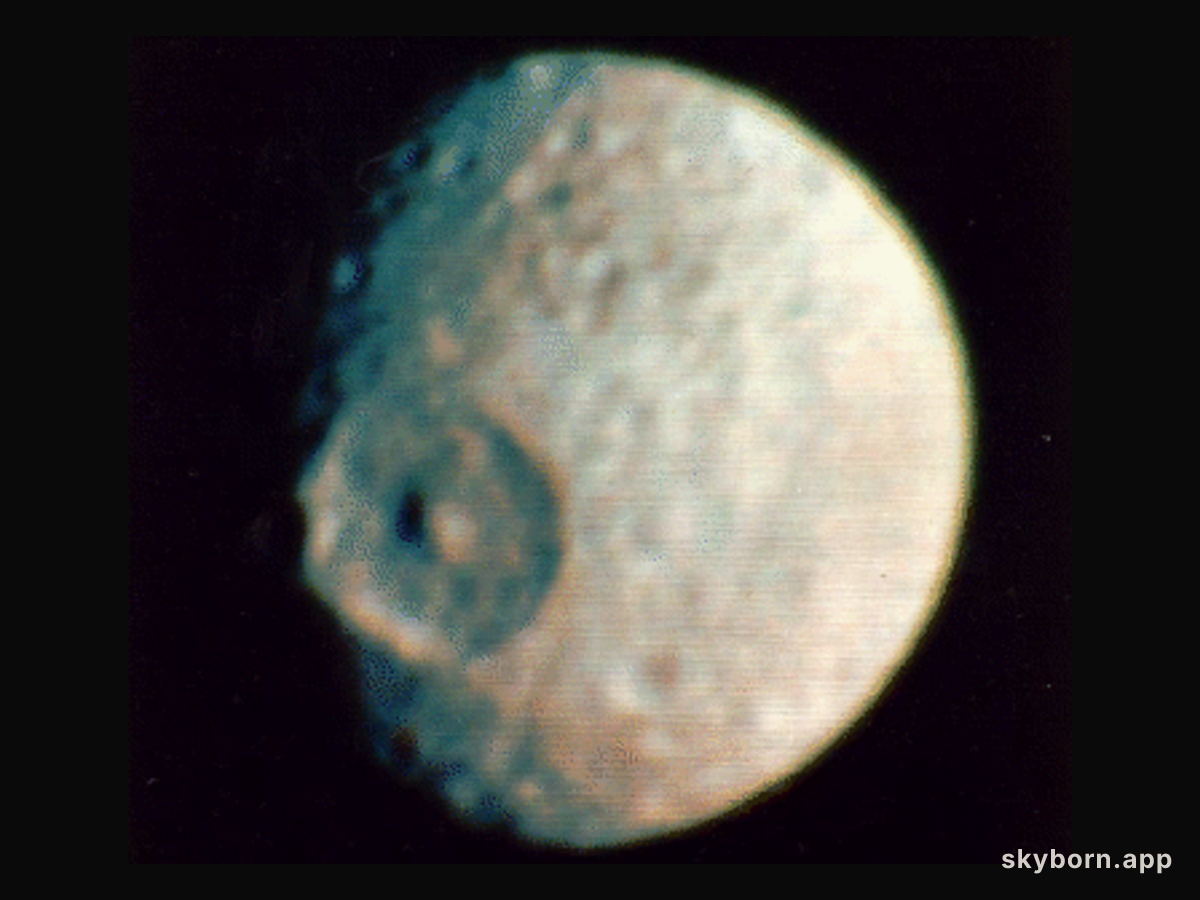

SKYBORN
Mimas: Small Moon with A Big Crater
NASA APOD
SKYBORN.APP
SB-1995-09-23
UNCOMMON 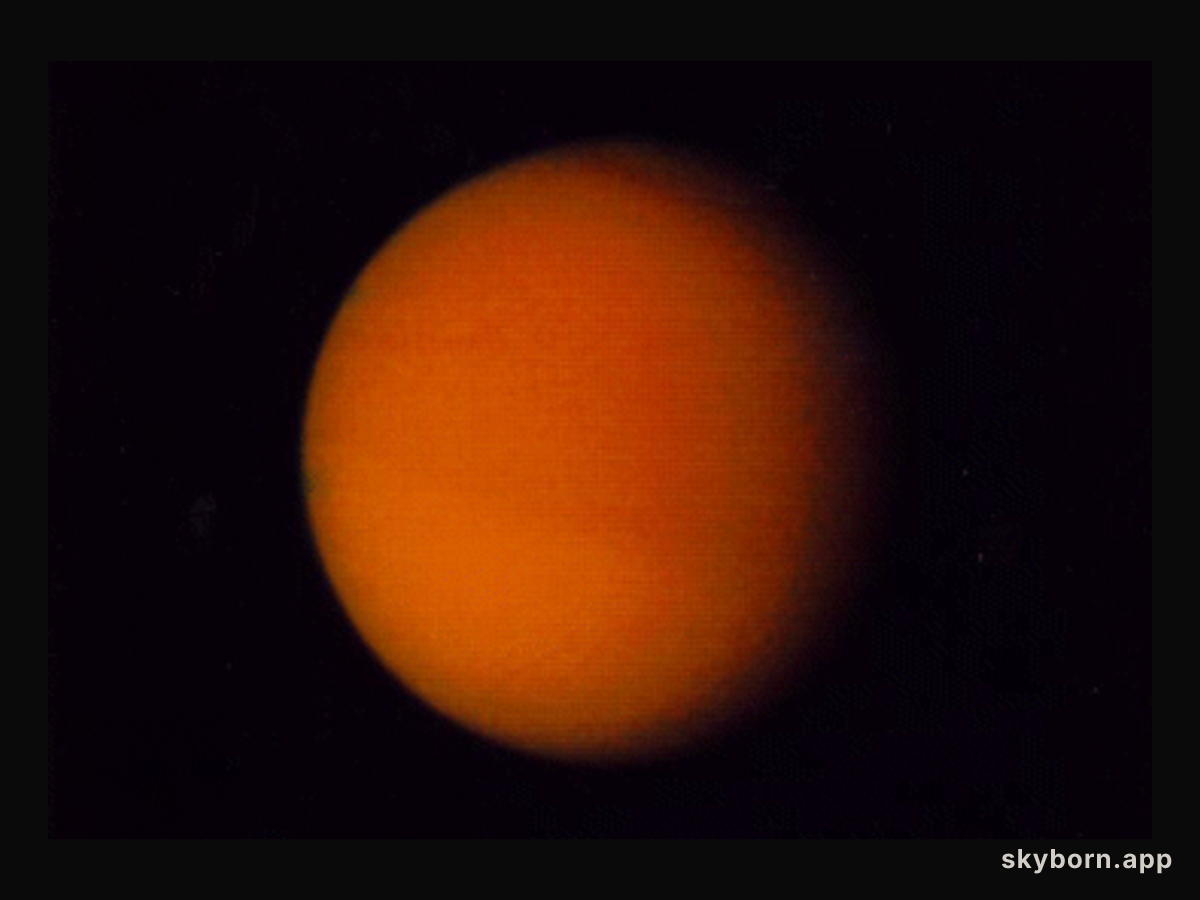
SKYBORN
Titan: Saturn's Smog Moon
NASA APOD
SKYBORN.APP
SB-1995-09-22
UNCOMMON 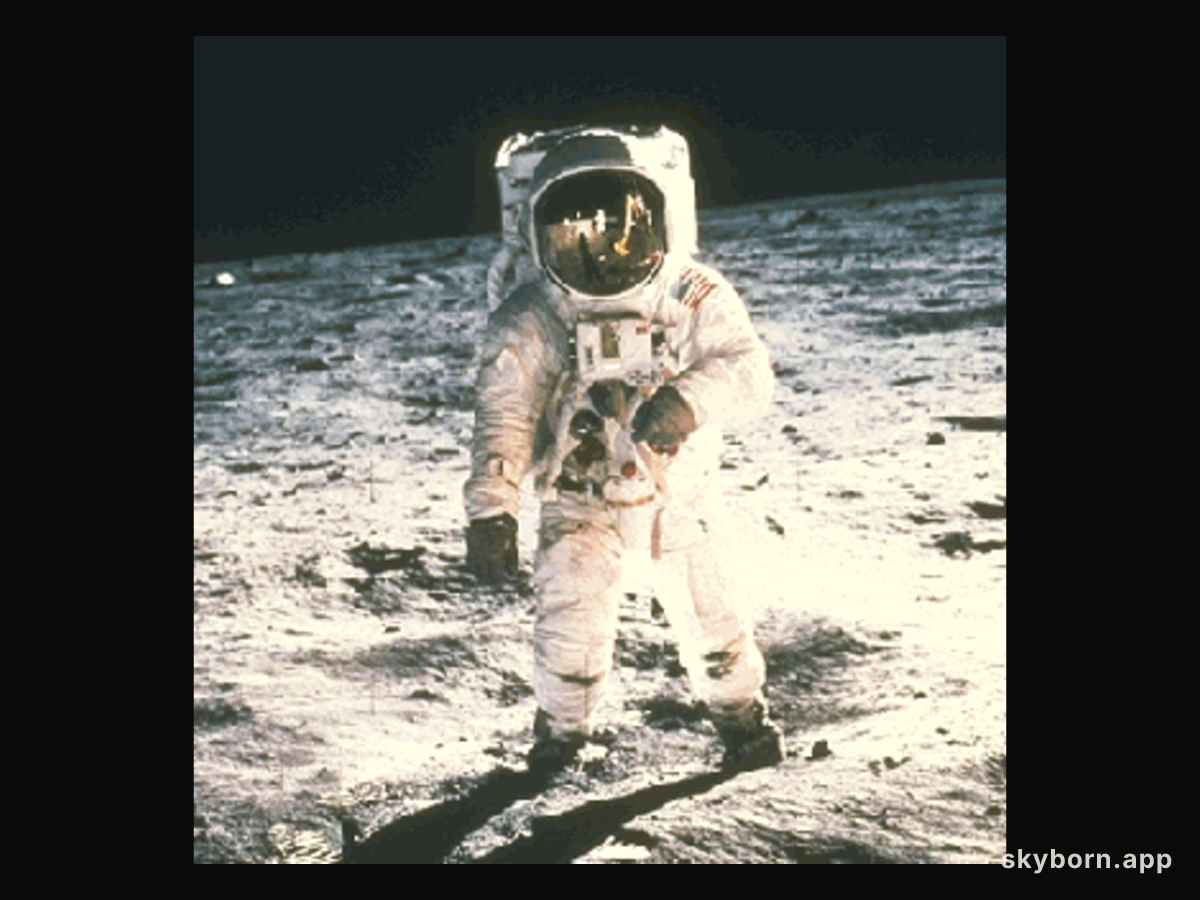
SKYBORN
Standing on the Moon
NASA APOD
SKYBORN.APP
SB-1995-09-21
UNCOMMON 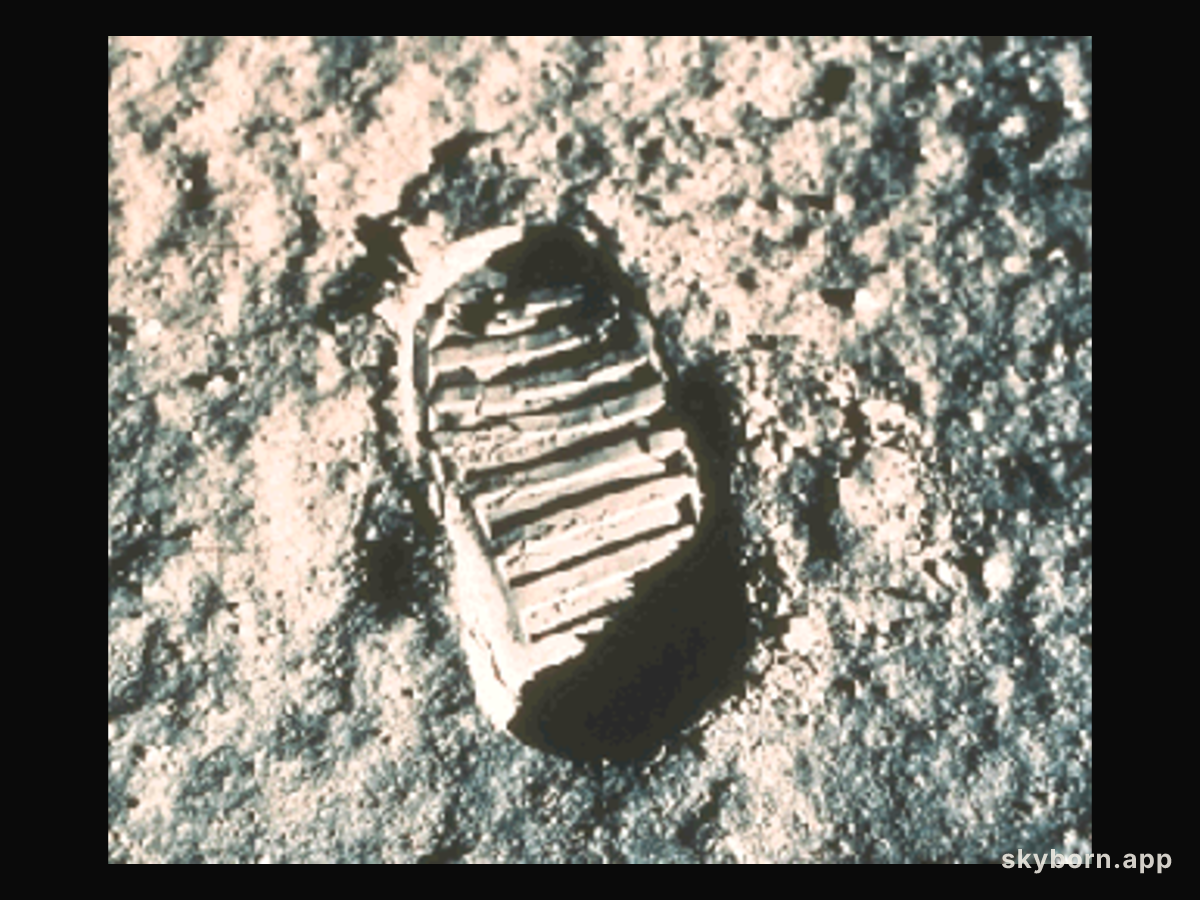
SKYBORN
One Small Step
NASA APOD
SKYBORN.APP
SB-1995-09-20
UNCOMMON 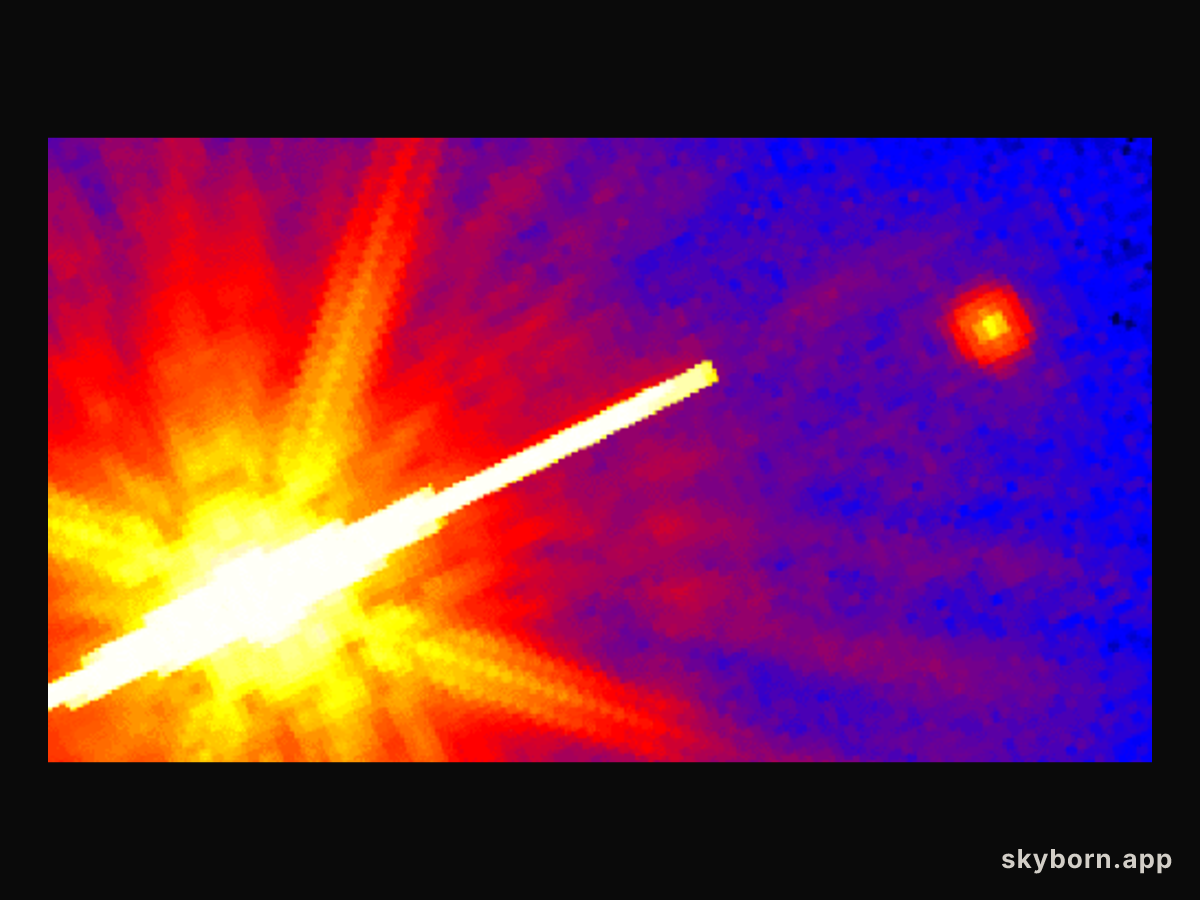
SKYBORN
GL 105C: The Coolest Star?
NASA APOD
SKYBORN.APP
SB-1995-09-19
©
UNCOMMON 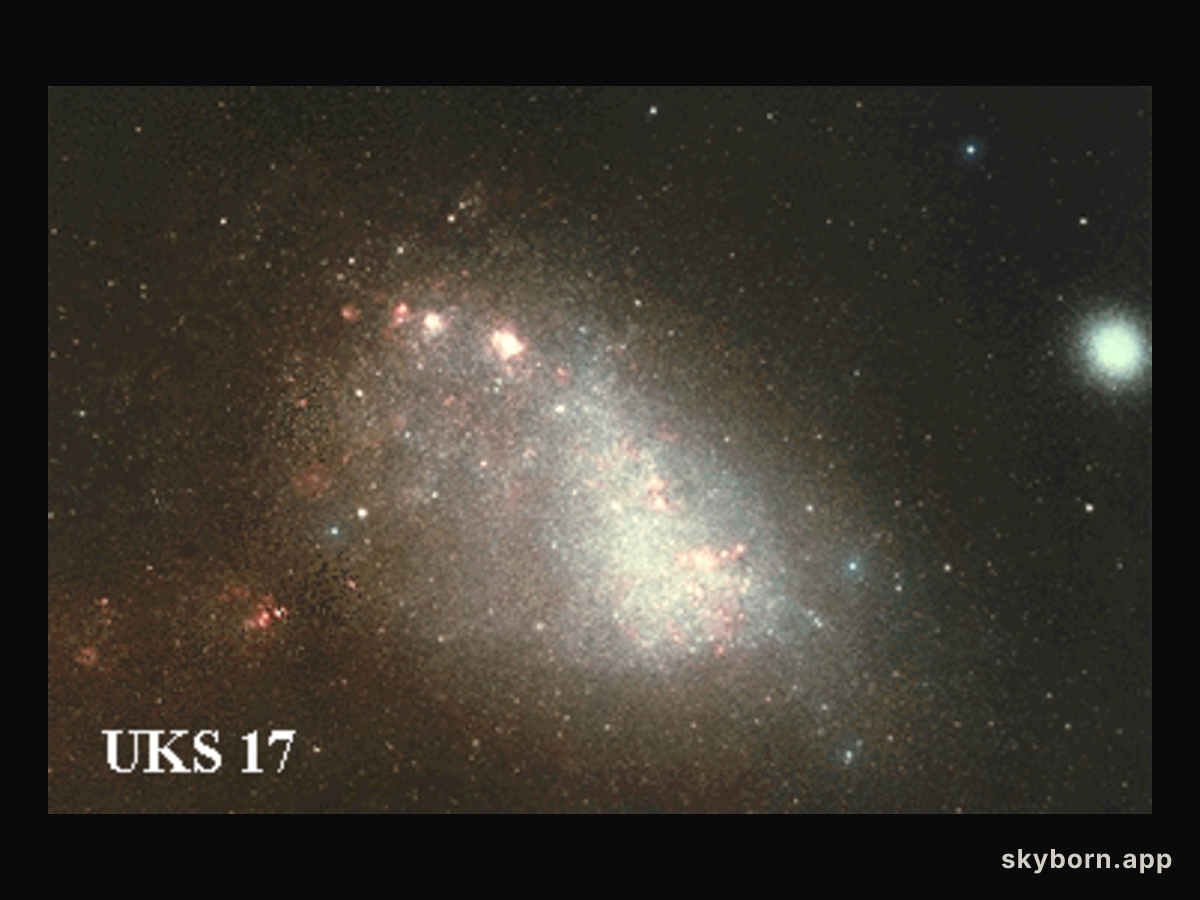
SKYBORN
The Small Cloud of Magellan
NASA APOD · Anglo-Australian Telescope
Board Explanation: Almost unknown to casual observers in the northern hemisphere,
the southern
sky contains two diffuse wonders known as the
Magellanic Clouds.
The Magellanic Clouds are small irregular
galaxies orbiting our
own larger Milky Way spiral galaxy.
The Small Magellanic Cloud
(SMC), pictured here,
is about 250,000 light years away and
contains a preponderance of young, hot, blue stars indicating it has
undergone a recent period of star formation.
There is evidence that the SMC is actually two
galaxies superposed to appear as one. The bright blob near
the right hand edge of the frame is a
globular cluster near the
outskirts of the Milky Way. Tomorrow's picture: GL 105C: The Coolest Star? | Archive | Glossary | Education | About APOD | Astronomy Picture of the Day (APOD) is created and edited in 1995 by
Robert
Nemiroff (GMU) and
Jerry Bonnell (USRA). Specific rights may apply.
Correspondence about APOD should be addressed to
nemiroff@grossc.gsfc.nasa.gov or bonnell@grossc.gsfc.nasa.gov. A service of the Laboratory for High Energy Astrophysics (LHEA) at
NASA/
GSFC Technical Rep:
Sherri Calvo,
301-286-5668, sherri.calvo@gsfc.nasa.gov
Questions/Comments/Feedback to: feedback@athena.gsfc.nasa.gov General astronomy pointers are available.
SKYBORN.APP
SB-1995-09-18
©
UNCOMMON 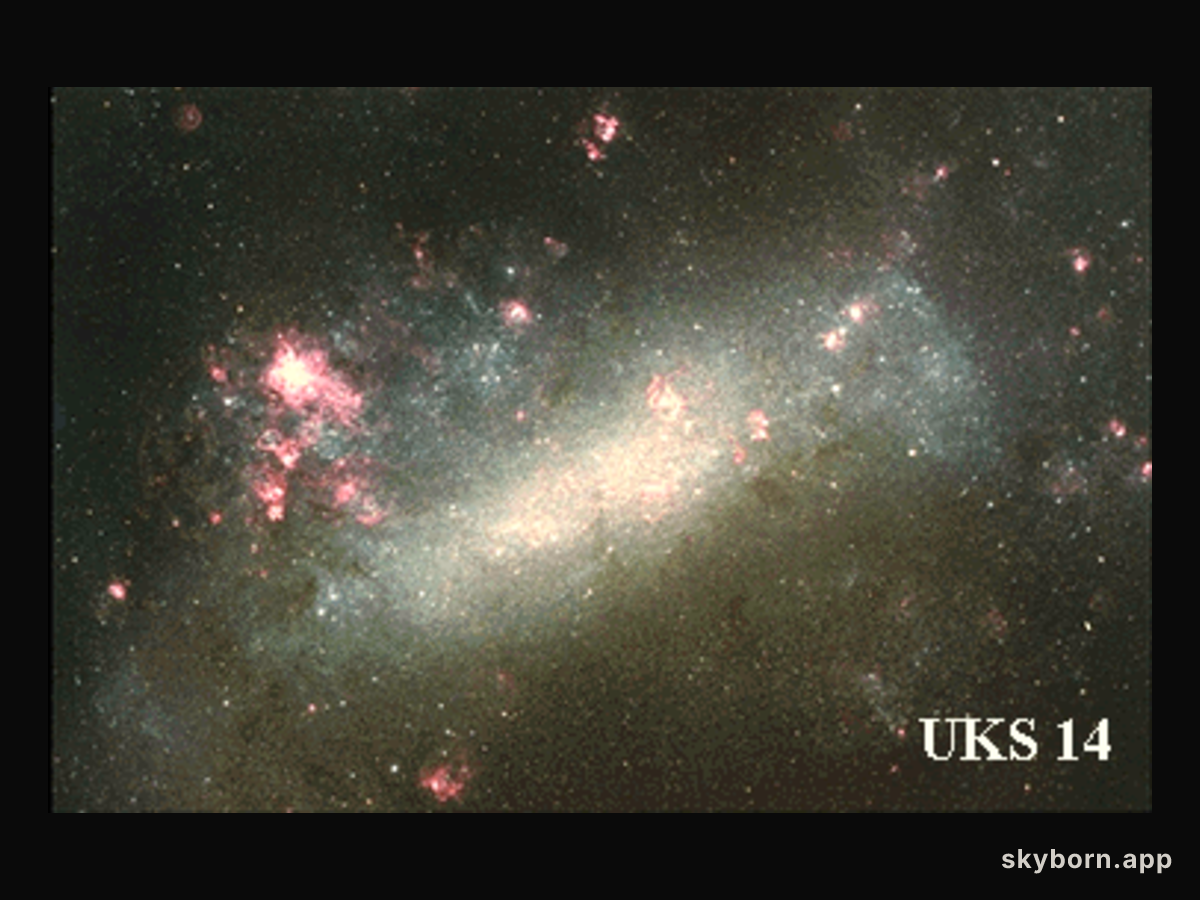
SKYBORN
The Large Cloud of Magellan
NASA APOD · Anglo-Australian Telescope
Board Explanation: Magellan and his crew had plenty of time to study the southern sky
during their famous voyage around the world. As a result, two fuzzy
cloud like objects, nestled among the southern constellations of Doradus
and Tucana are now
known as the Clouds of Magellan. The Magellanic Clouds are small irregular
galaxies, satellites of our
larger Milky Way spiral galaxy.
The Large Magellanic Cloud
(LMC) pictured above is the closest galaxy to our own Milky Way,
at a distance of about 180,000 light years.
The Magellanic Clouds are joined to the Milky Way by a
stream of cold hydrogen gas whose origin is still controversial.
An unusual effect called
gravitational lensing has recently
been detected in a few LMC stars, and there is hope this could
tell us important information about the
true composition of our universe. Tomorrow's picture: The Small Cloud of Magellan | Archive | Glossary | Education | About APOD | Astronomy Picture of the Day (TM) is created and copyrighted in 1995 by Robert Nemiroff and Jerry Bonnell who are solely responsible for its content.
SKYBORN.APP
SB-1995-09-17
©
UNCOMMON 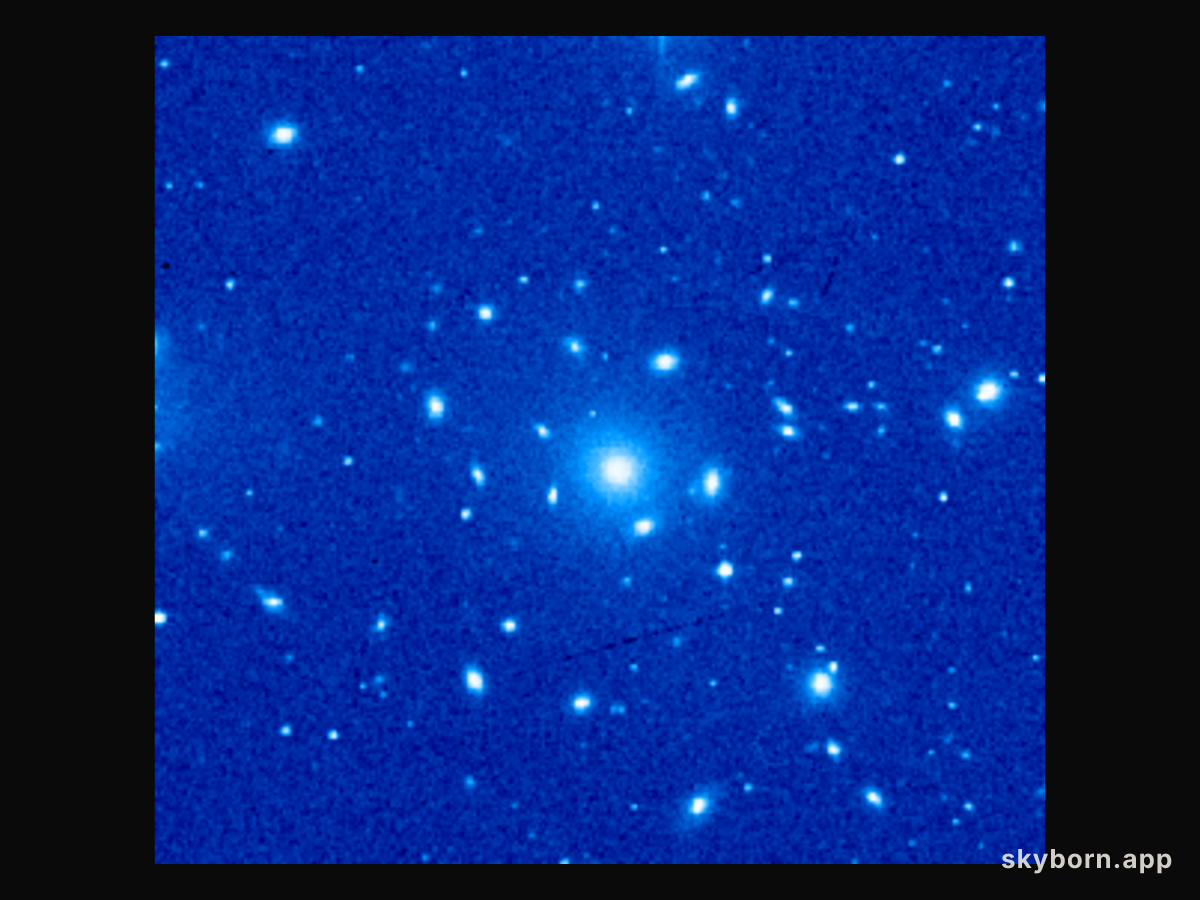
SKYBORN
Thousands of Coma Cluster Galaxies
NASA APOD · Royal Observatory Edinburgh, Anglo-Australian Observatory, and AURA Explanation: Almost every object in the above photograph is a galaxy. The Coma Cluster of galaxies pictured is a dense cluster containing many thousands of galaxies. Many of these galaxies contain as many stars as our own Milky Way Galaxy. Although nearby when compared to most other clusters, light from the Coma Cluster
still takes hundreds of millions of years to reach us. In
fact, the Coma Cluster is so big it takes light millions of years just to
go from one side to the other! This picture was created at the WWW site
Skyview, a "virtual observatory" where it is possible to view any part of
the sky in wavelengths from radio to gamma-ray. Tomorrow's picture: The Large Cloud of Magellan | Archive | Glossary | Education | About APOD | Astronomy Picture of the Day (TM) is created and copyrighted in 1995 by Robert Nemiroff and Jerry Bonnell who are solely responsible for its content.
SKYBORN.APP
SB-1995-09-16
UNCOMMON 
SKYBORN
Rockets and Robert Goddard
NASA APOD
SKYBORN.APP
SB-1995-09-14
UNCOMMON 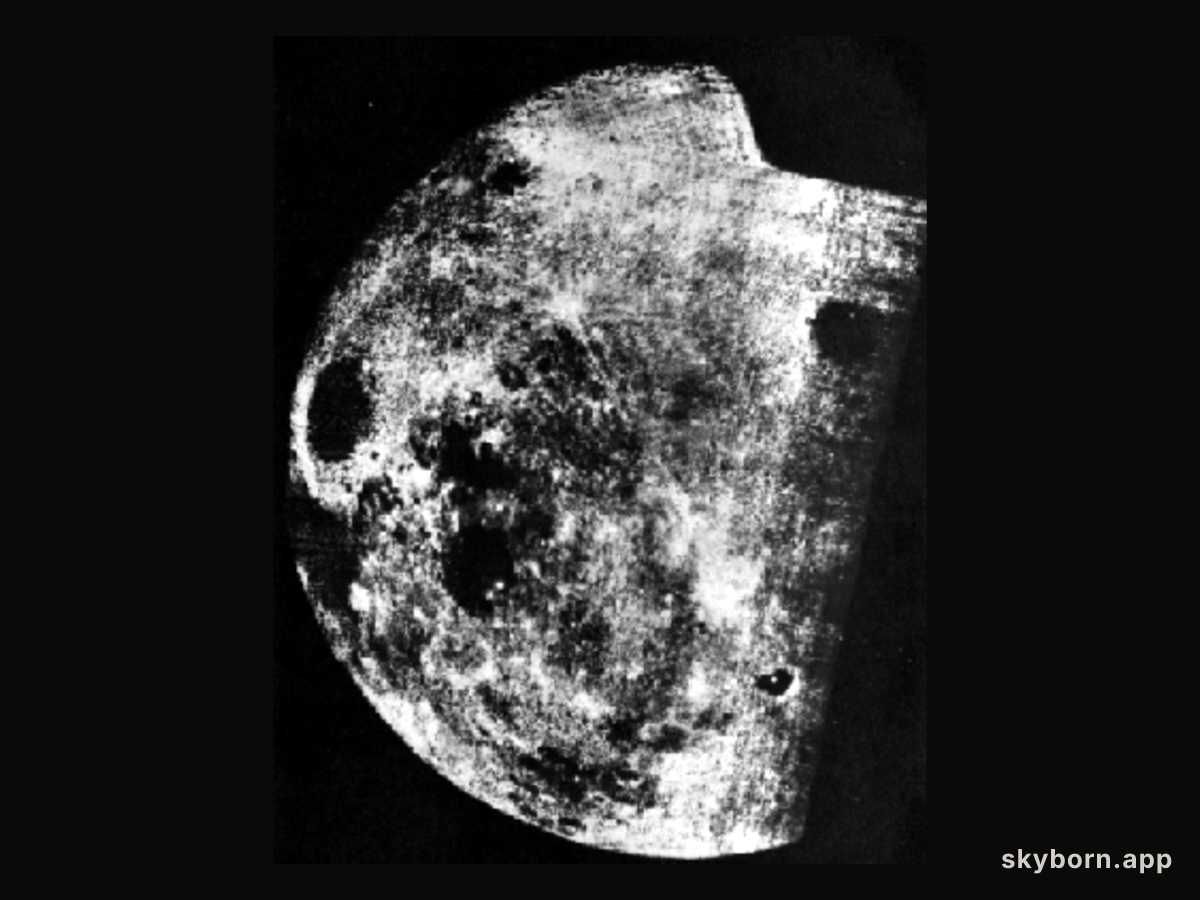
SKYBORN
The Far Side
NASA APOD
SKYBORN.APP
SB-1995-09-13
©
UNCOMMON 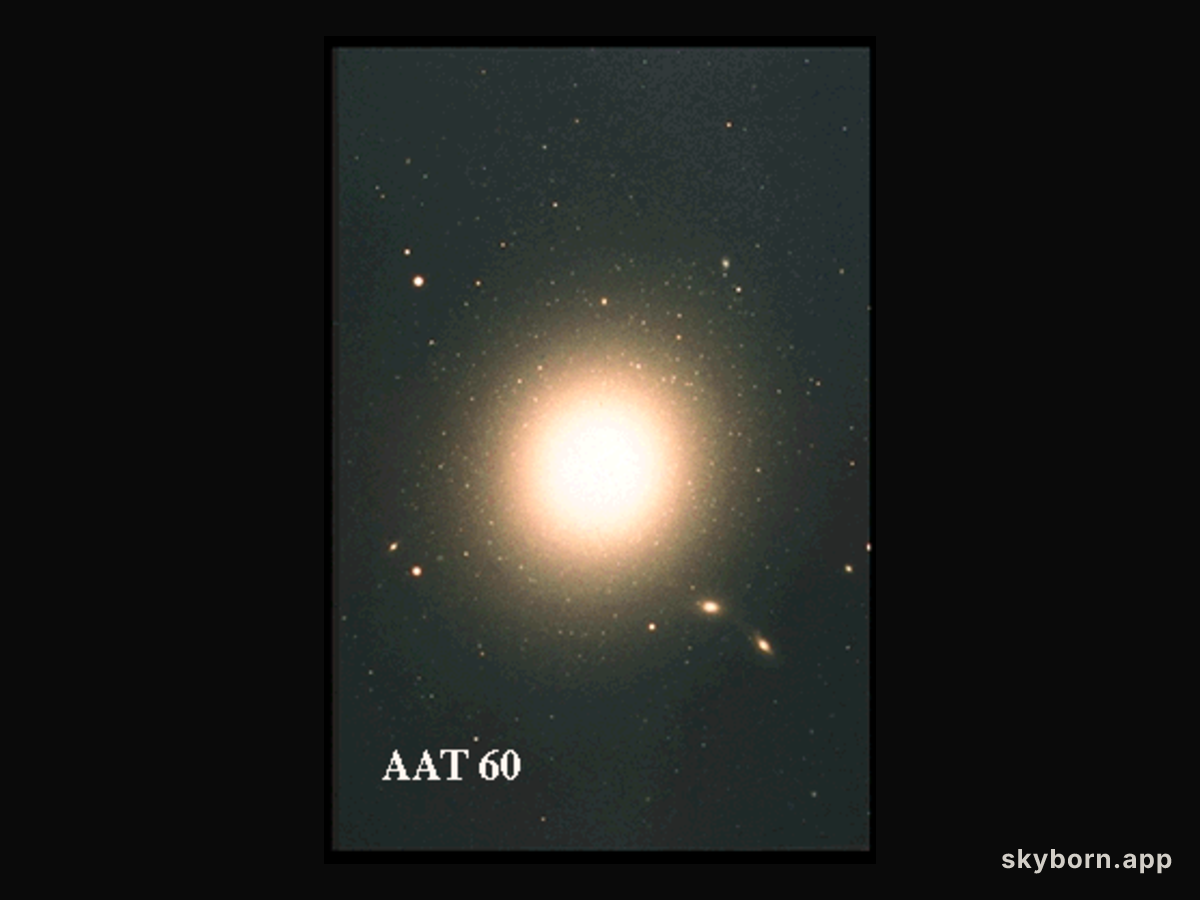
SKYBORN
Elliptical Galaxy M87
NASA APOD · Anglo-Australian Telescope
Board Explanation: Elliptical galaxy M87 is a type of galaxy that looks much different than our own Milky Way Galaxy. But even for an elliptical galaxy M87 is peculiar.
M87 is much bigger than an average galaxy, appears at the center of a whole cluster of galaxies known as the Virgo Cluster, and shows a very high number of globular clusters. These globular clusters are visible as faint
spots surrounding the bright center of M87. In general, elliptical galaxies
contain similar numbers of stars as spiral galaxies, but are ellipsoidal in
shape (spirals are mostly flat), have no spiral structure, and little gas and dust. This picture is number sixty on a publicly posted list of
images from the Anglo-Australian Telescope (AAT). Tomorrow's picture: The Far Side | Archive | Glossary | Education | About APOD | Astronomy Picture of the Day (TM) is created and copyrighted in 1995 by Robert Nemiroff and Jerry Bonnell who are solely responsible for its content.
SKYBORN.APP
SB-1995-09-12
©
UNCOMMON 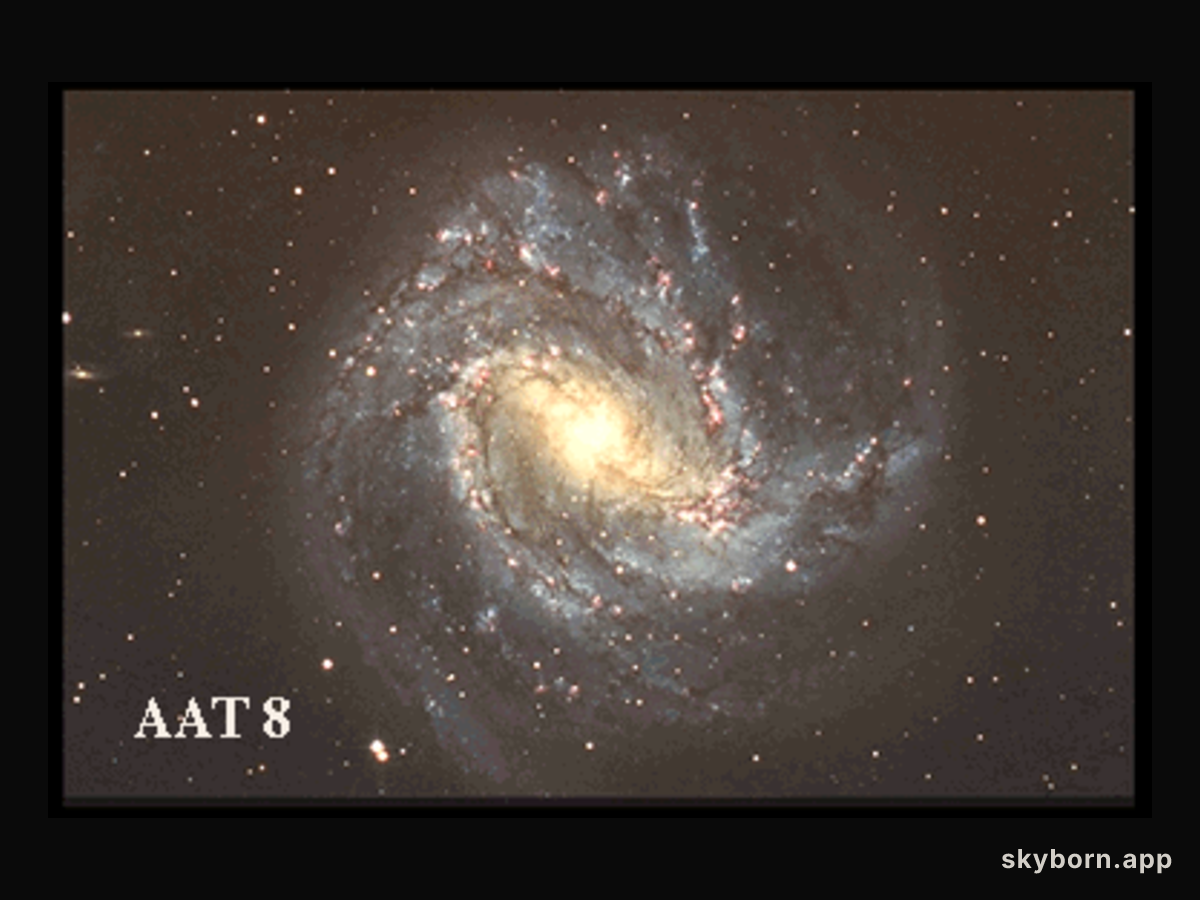
SKYBORN
Spiral Galaxy M83
NASA APOD · Anglo-Australian Telescope
Board Explanation: Long winding spiral arms are clearly evident on this spectacular picture of
the spiral galaxy M83. The blue color of the spiral arms is caused by the relatively large fraction of young blue stars there. Dark dust lanes are
mixed in with the stars and trace the spiral structure of the galaxy. This
galaxy contains many billions of stars, and its light took many millions of
years to reach us. Our own Milky Way Galaxy would appear similar to this if
viewed from M83!
This picture is number eight on a publicly posted list of
images from the Anglo-Australian Telescope (AAT). Tomorrow's picture: Elliptical Galaxy M87 | Archive | Glossary | Education | About APOD | Astronomy Picture of the Day (TM) is created and copyrighted in 1995 by Robert Nemiroff and Jerry Bonnell who are solely responsible for its content.
SKYBORN.APP
SB-1995-09-11
UNCOMMON 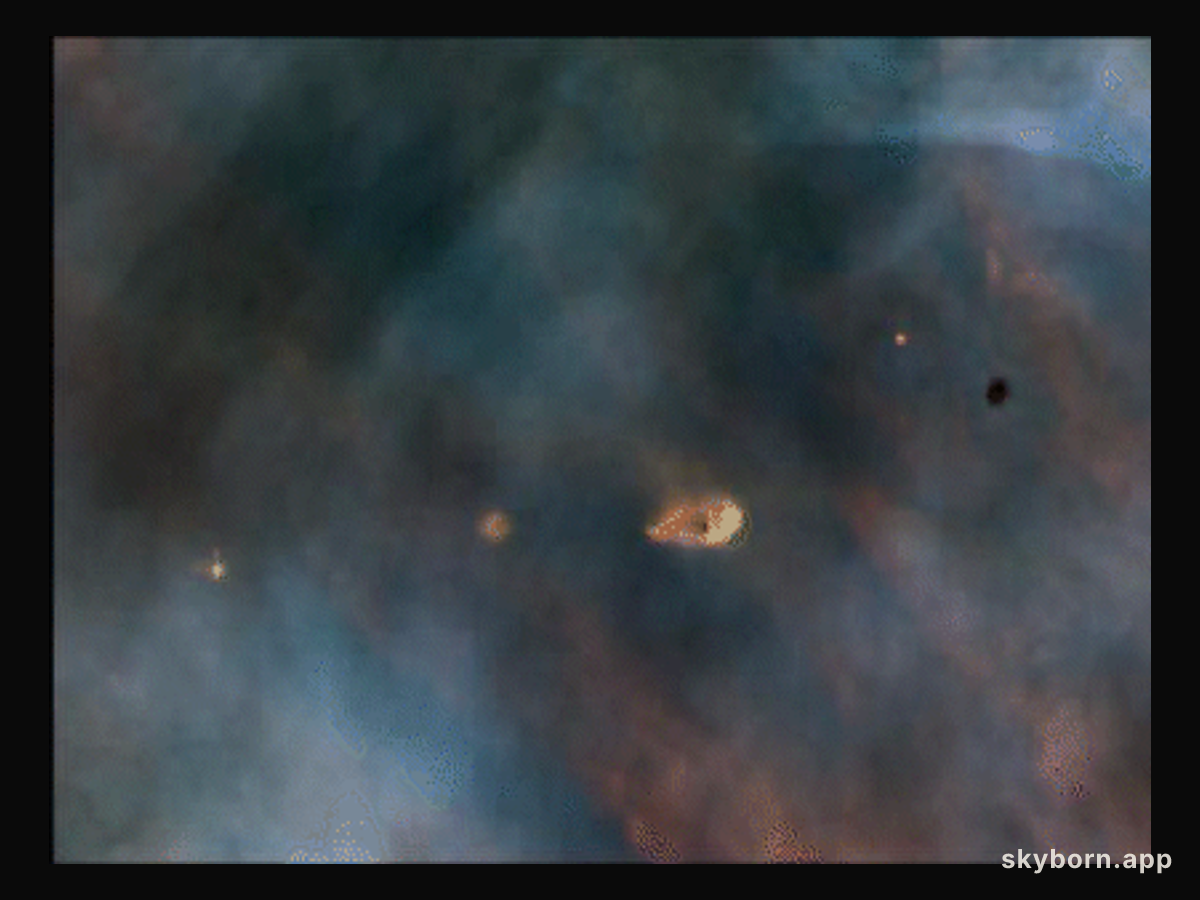
SKYBORN
Proplyds: Infant Solar Systems
NASA APOD
SKYBORN.APP
SB-1995-09-10
UNCOMMON 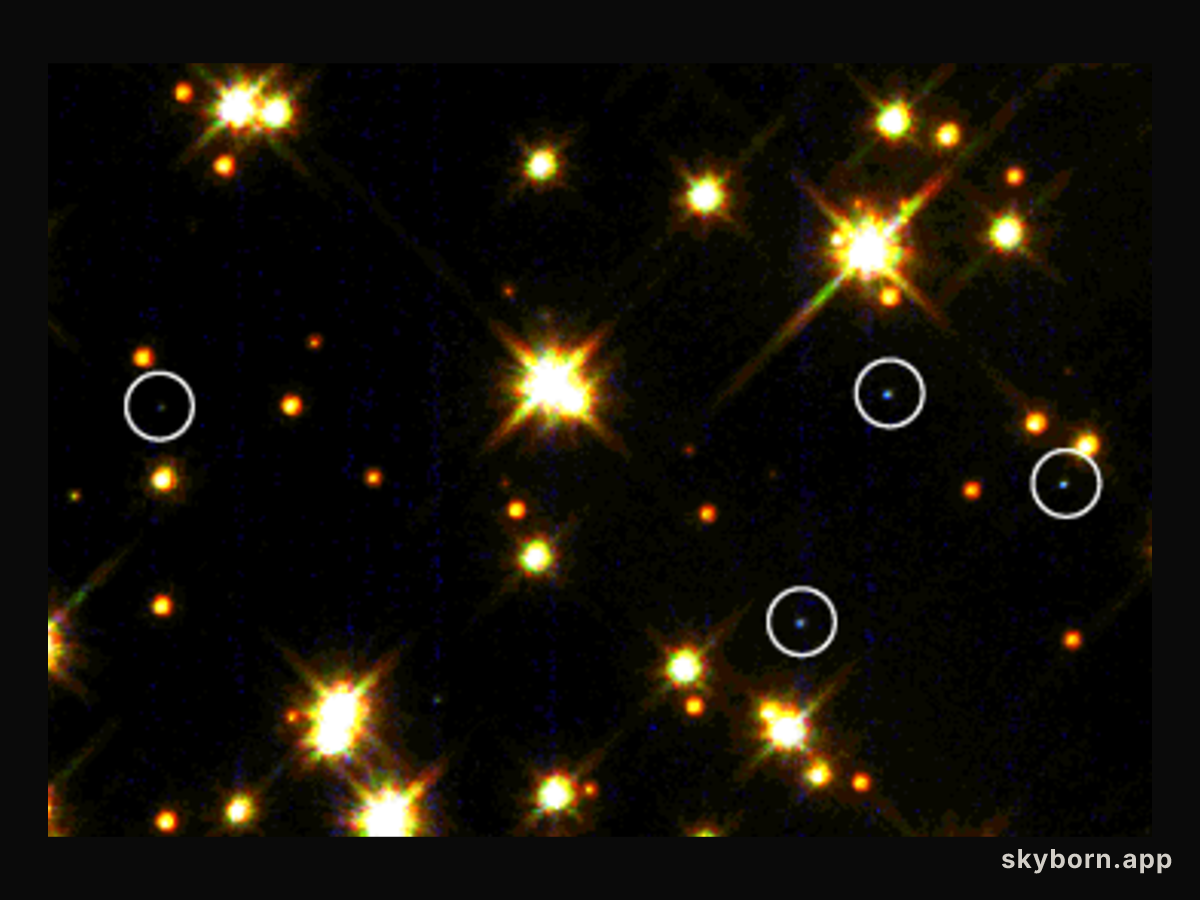
SKYBORN
White Dwarfs Cool
NASA APOD
SKYBORN.APP
SB-1995-09-09
UNCOMMON 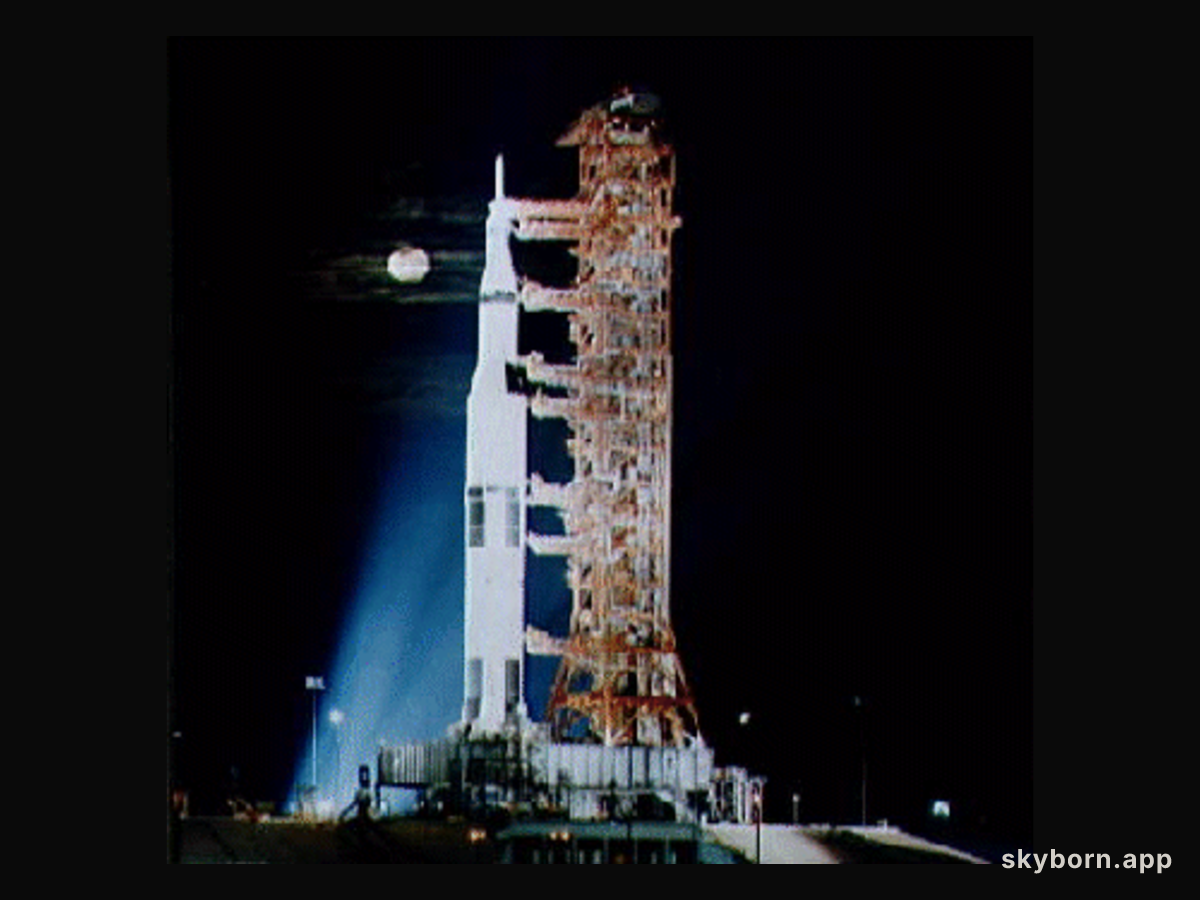
SKYBORN
The Last Moon Shot
NASA APOD
SKYBORN.APP
SB-1995-09-08
UNCOMMON 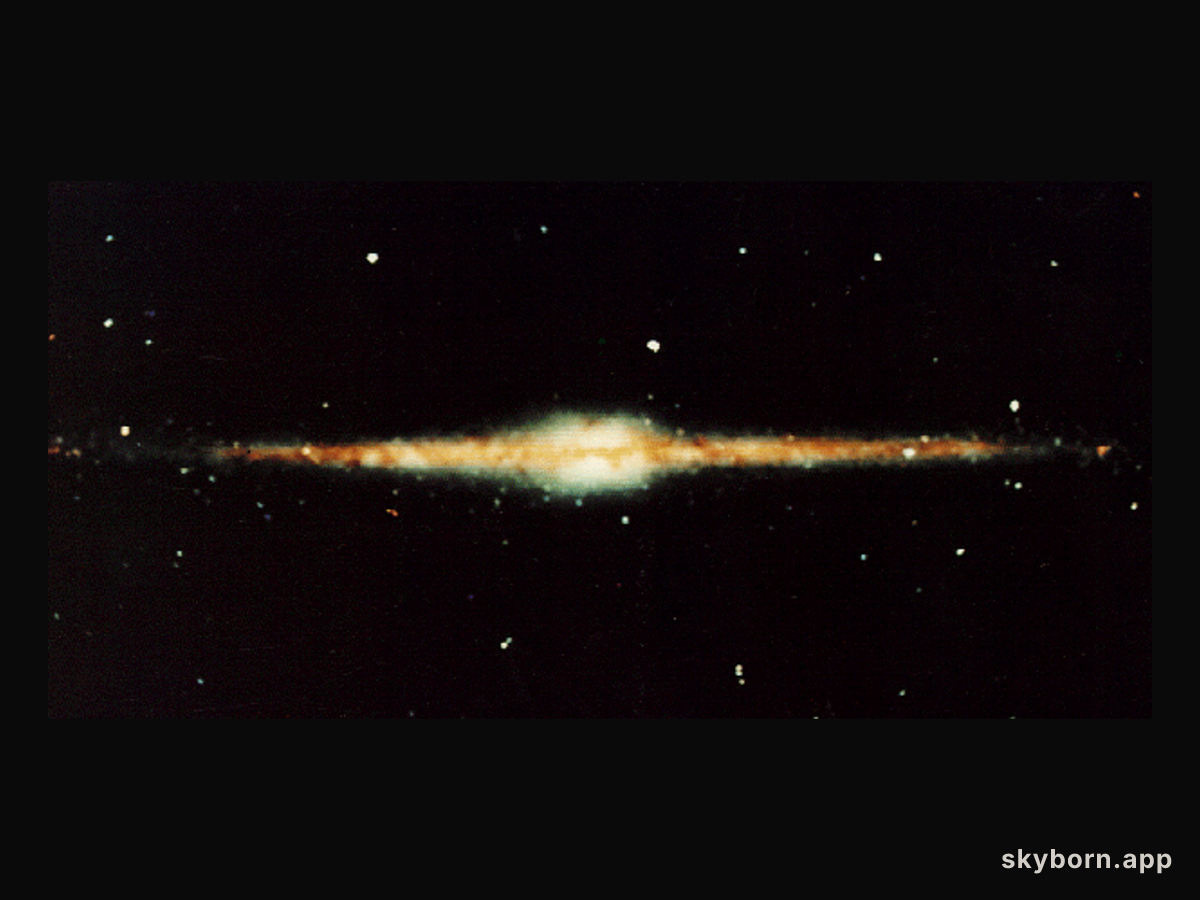
SKYBORN
The Milky Way's Center
NASA APOD
SKYBORN.APP
SB-1995-09-07
UNCOMMON 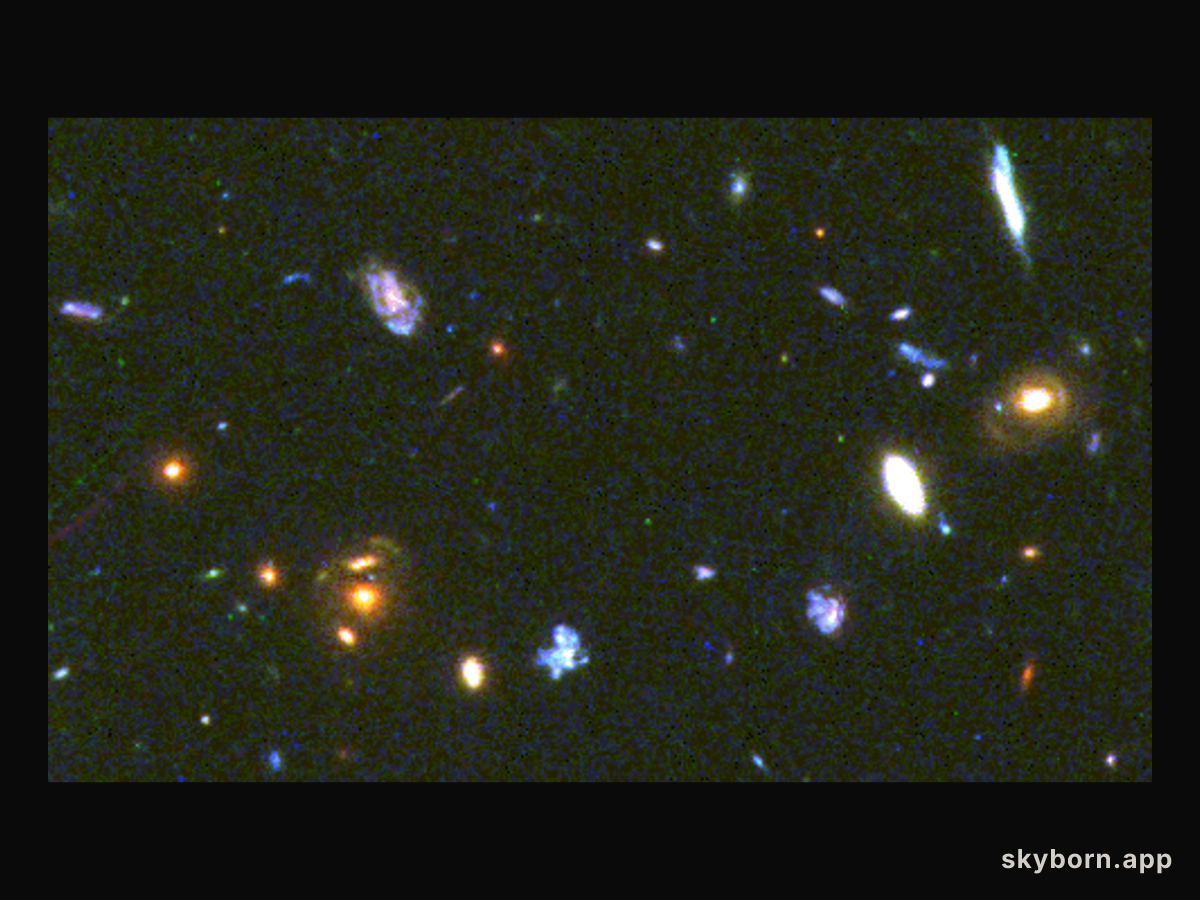
SKYBORN
Distant Galaxies
NASA APOD
SKYBORN.APP
SB-1995-09-06
UNCOMMON 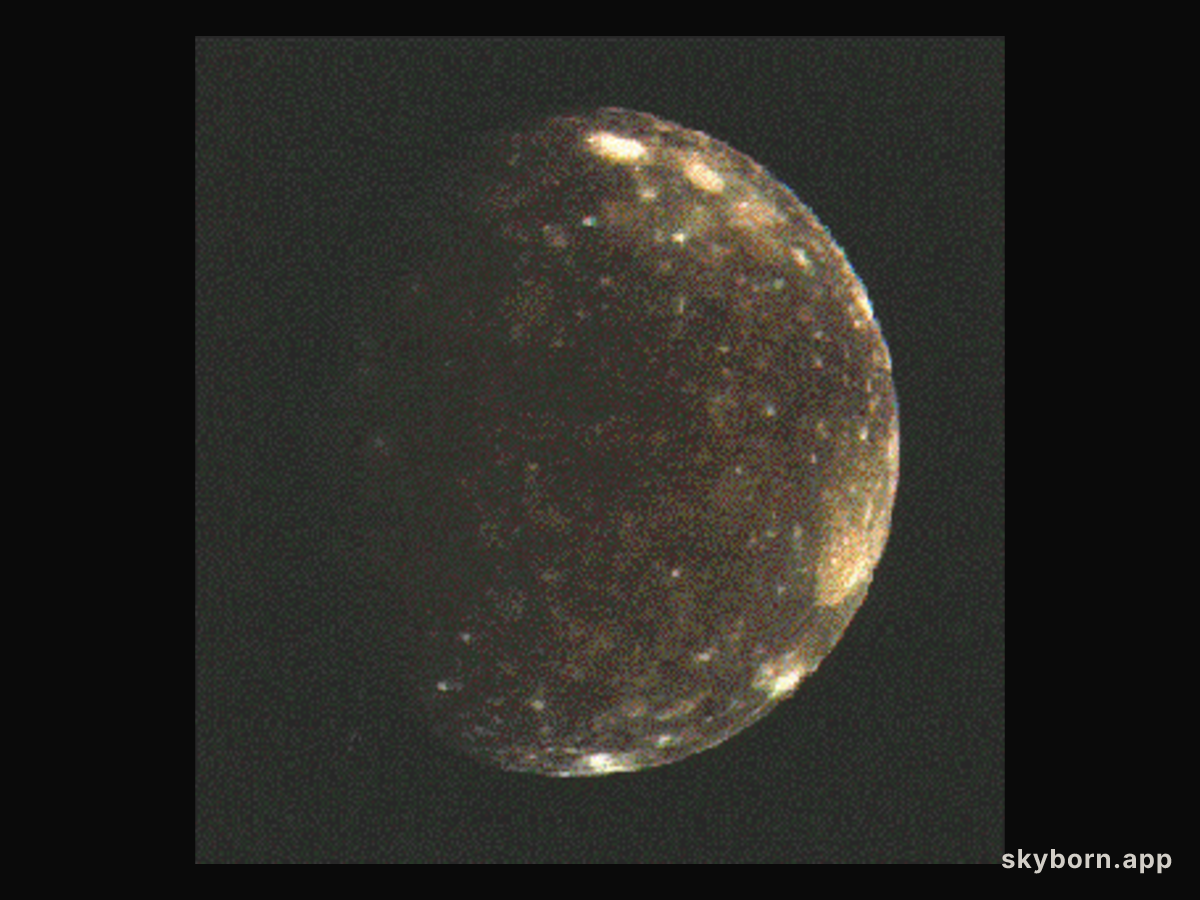
SKYBORN
Callisto: Dark Smashed Iceball
NASA APOD
SKYBORN.APP
SB-1995-09-05
UNCOMMON 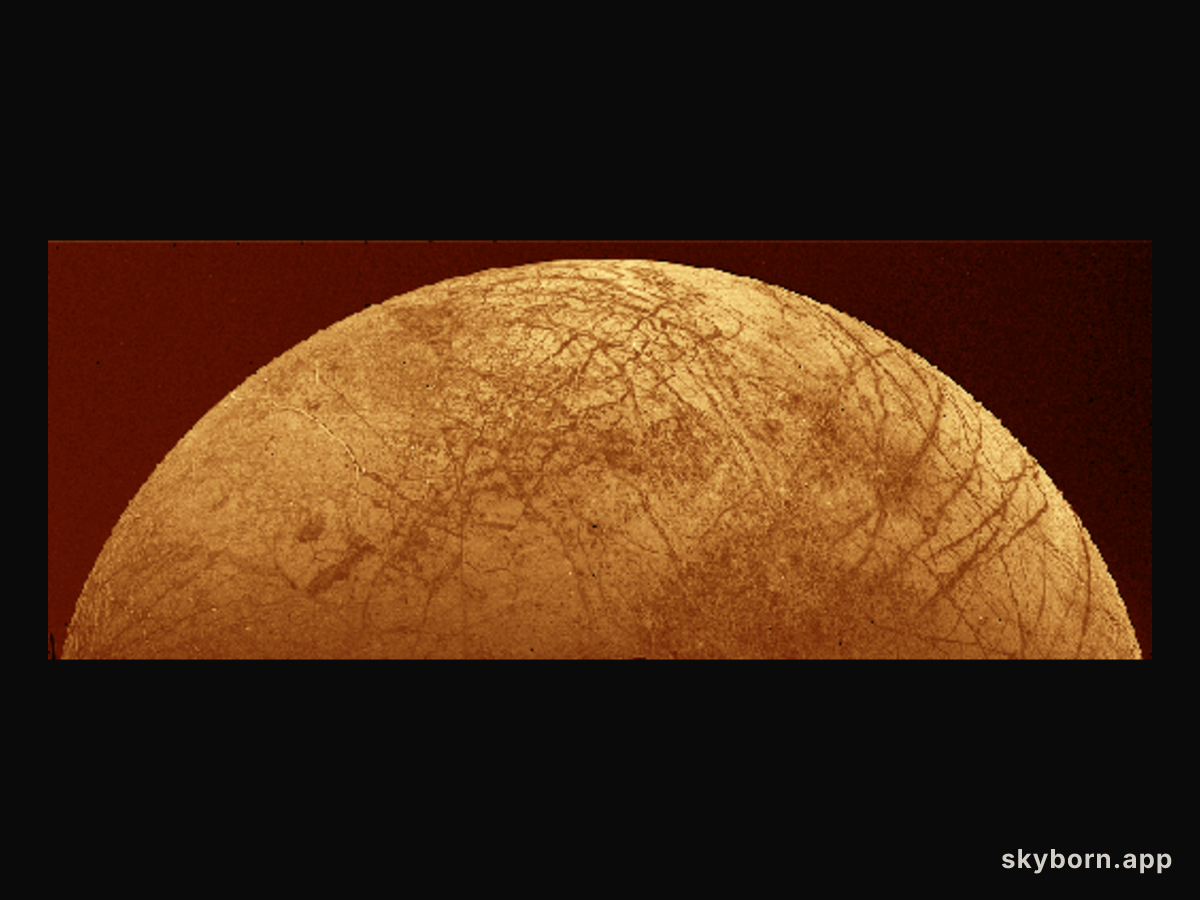
SKYBORN
Europa: Ancient Water World
NASA APOD
SKYBORN.APP
SB-1995-09-04
UNCOMMON 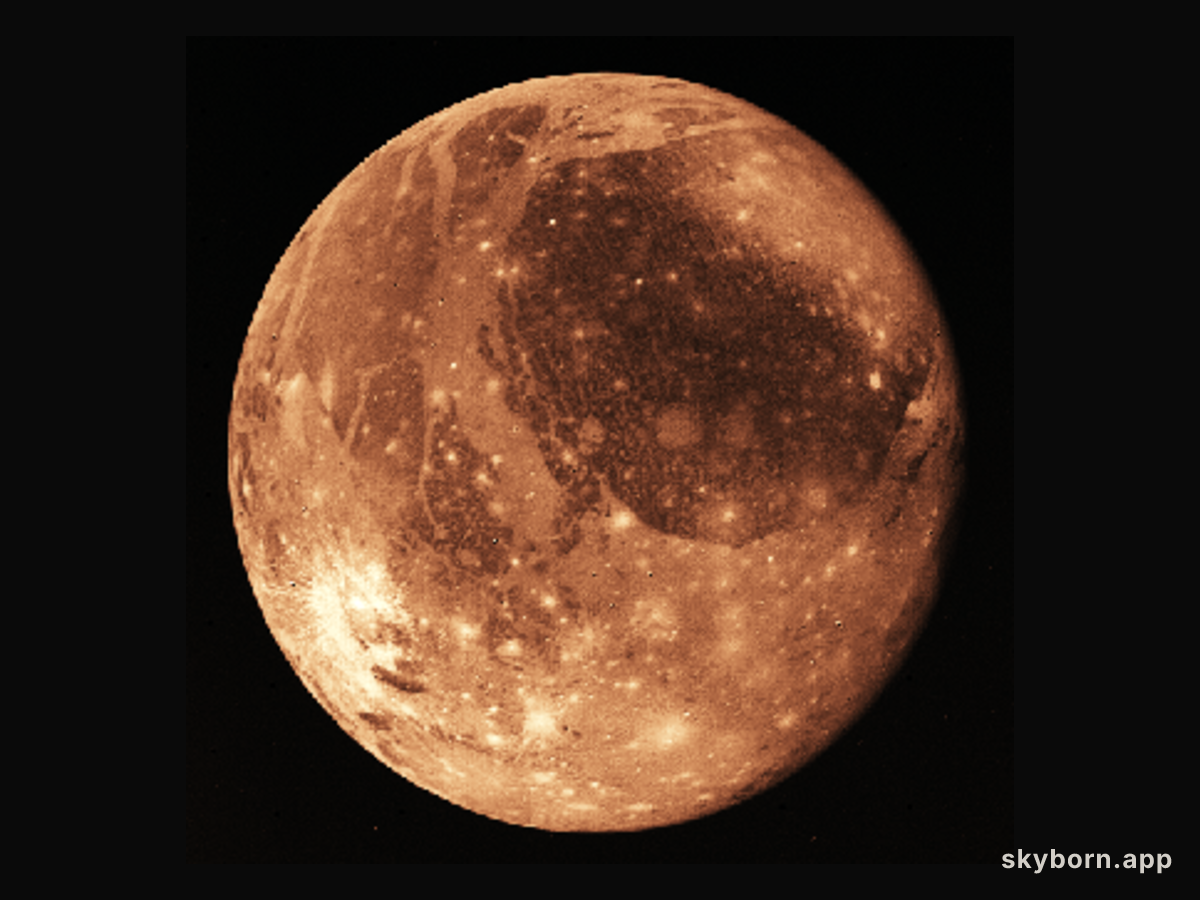
SKYBORN
Ganymede: Moonquake World
NASA APOD
SKYBORN.APP
SB-1995-09-03
UNCOMMON 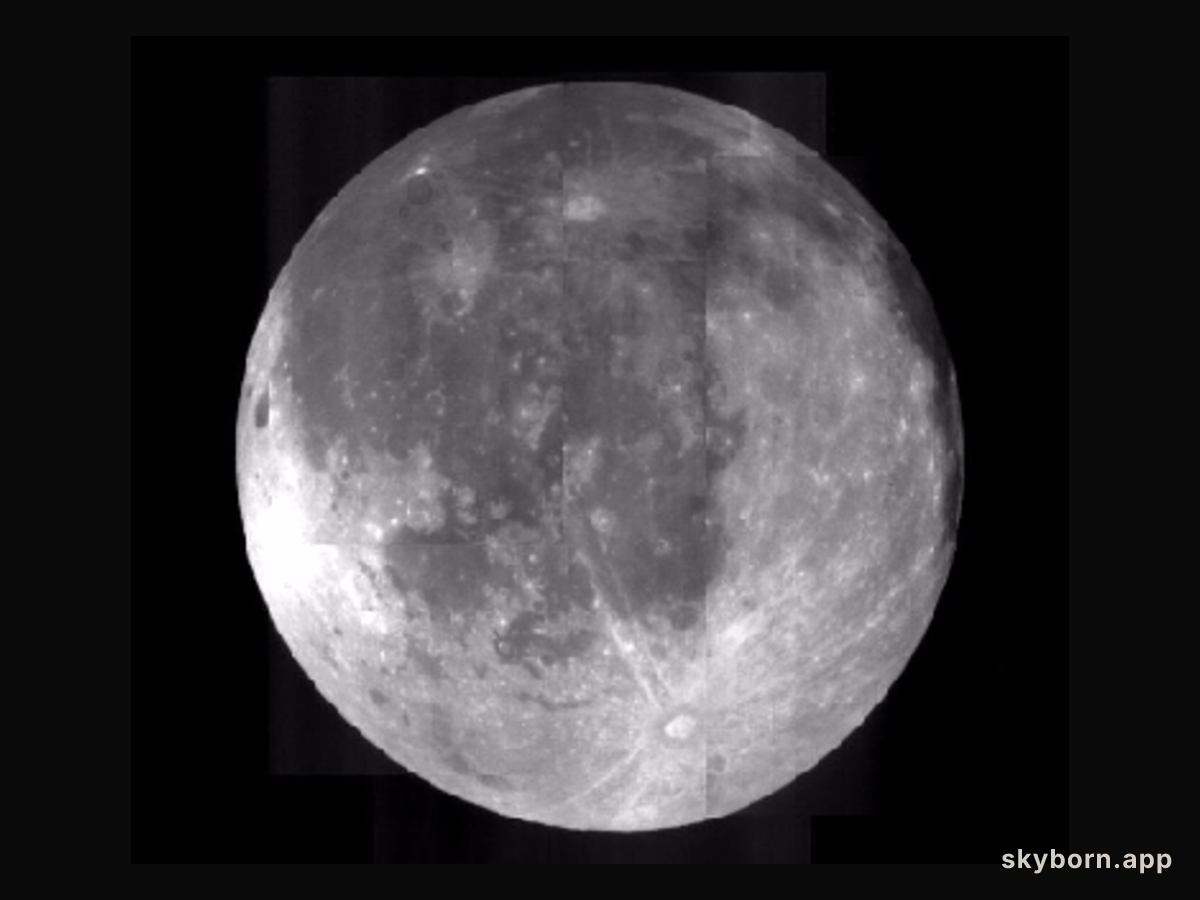
SKYBORN
Earth's Moon, A Familiar Face
NASA APOD
SKYBORN.APP
SB-1995-08-31
UNCOMMON 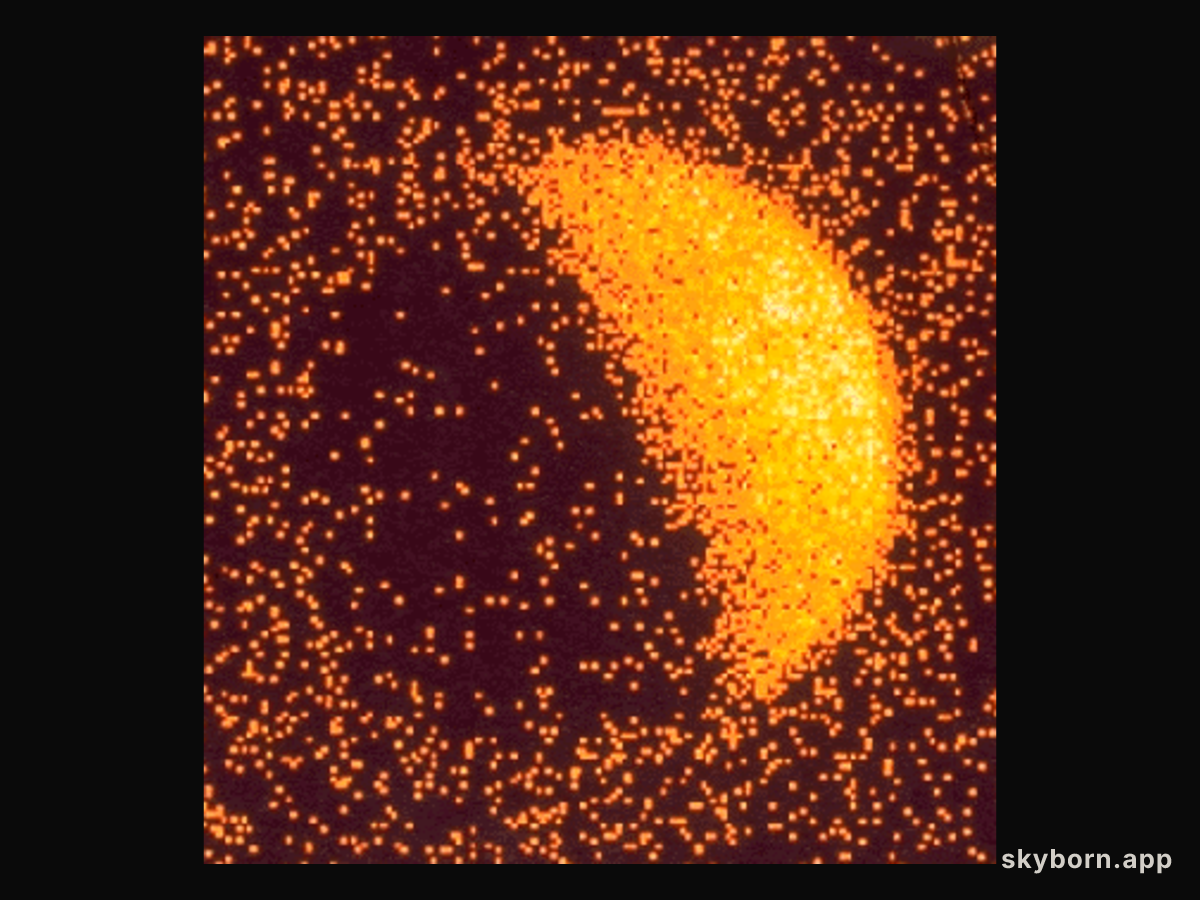
SKYBORN
X-Raying the Moon
NASA APOD
SKYBORN.APP
SB-1995-08-29
UNCOMMON 
SKYBORN
Saturn V: NASA's Largest Rocket
NASA APOD
SKYBORN.APP
SB-1995-08-28
UNCOMMON 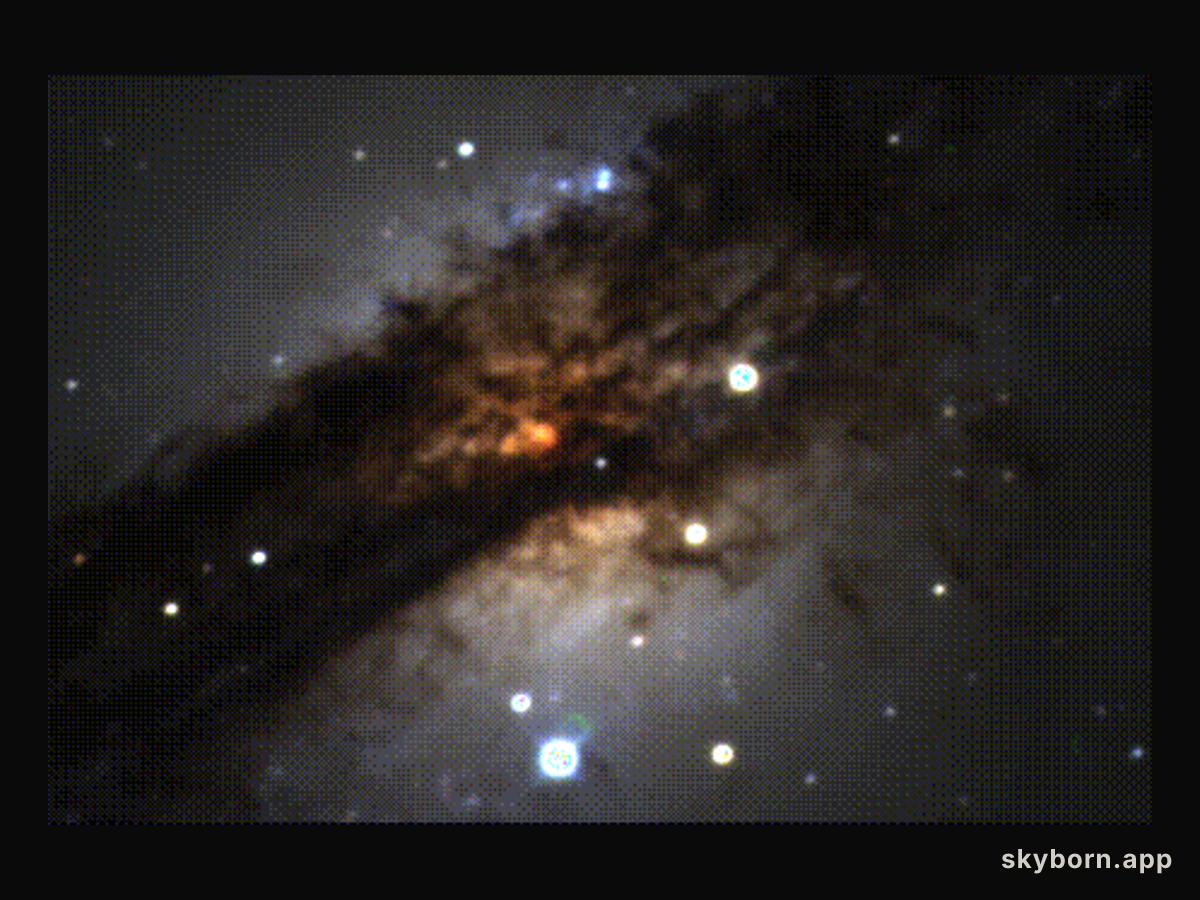
SKYBORN
Dusty Galaxy Centaurus A
NASA APOD
SKYBORN.APP