
11,417 PLATES ON FILE
The Vault.
Every plate Skyborn holds, from the NASA and ESA archives. Filter by source, decade, rarity or licence, then open any card to see the day it belongs to.
Showing 11305 to 11328 of 11,417
SB-1995-10-09
UNCOMMON 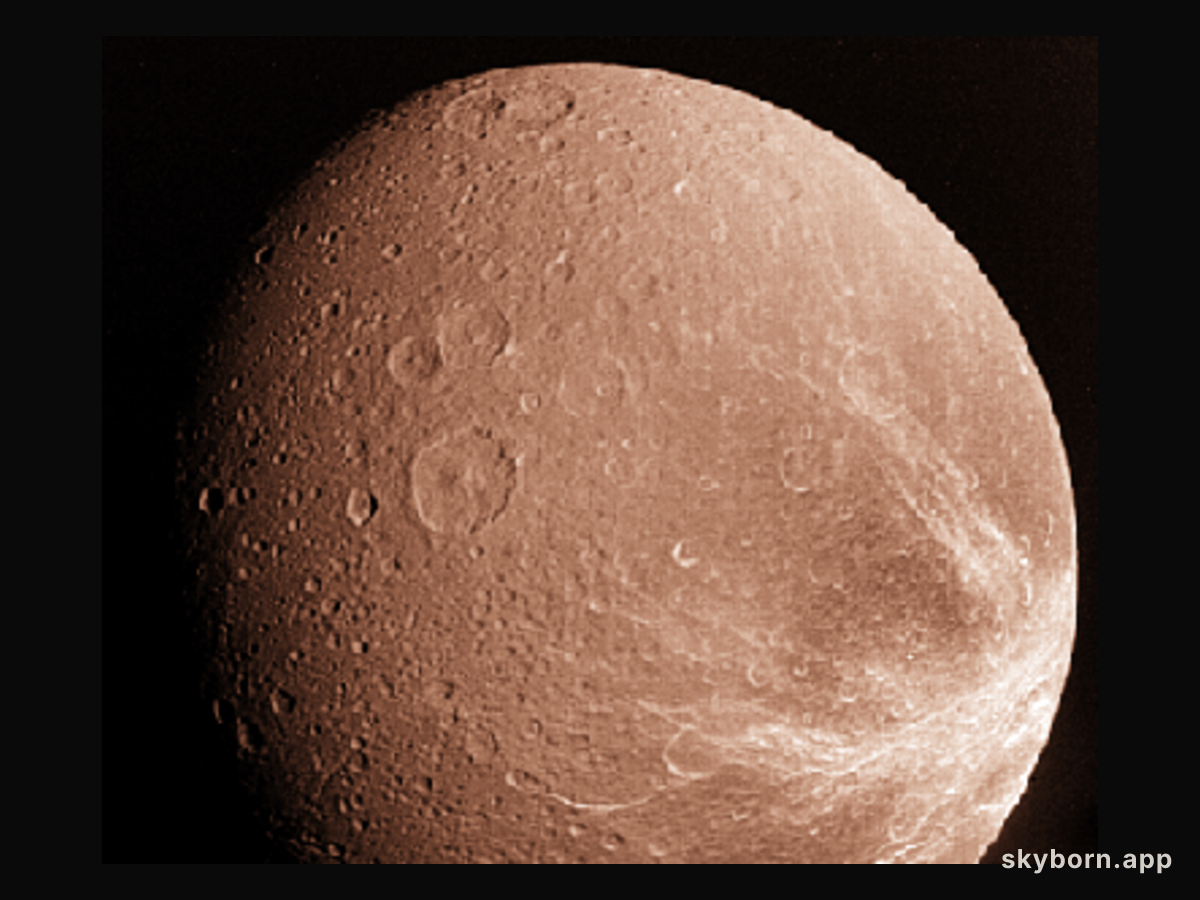

SKYBORN
Saturn's Moon Dione
NASA APOD
SKYBORN.APP
SB-1995-10-08
UNCOMMON 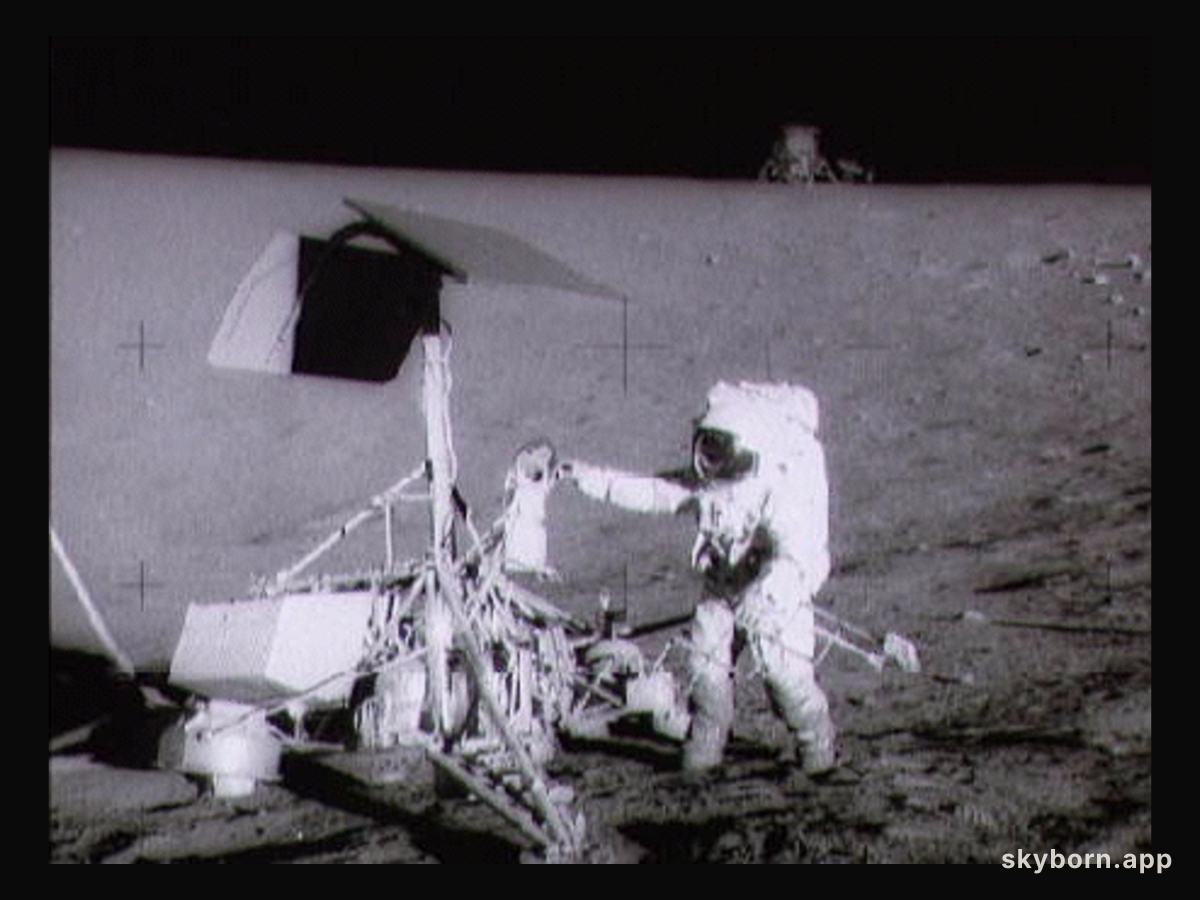
SKYBORN
Apollo 12 Visits Surveyor 3
NASA APOD
SKYBORN.APP
SB-1995-10-07
UNCOMMON 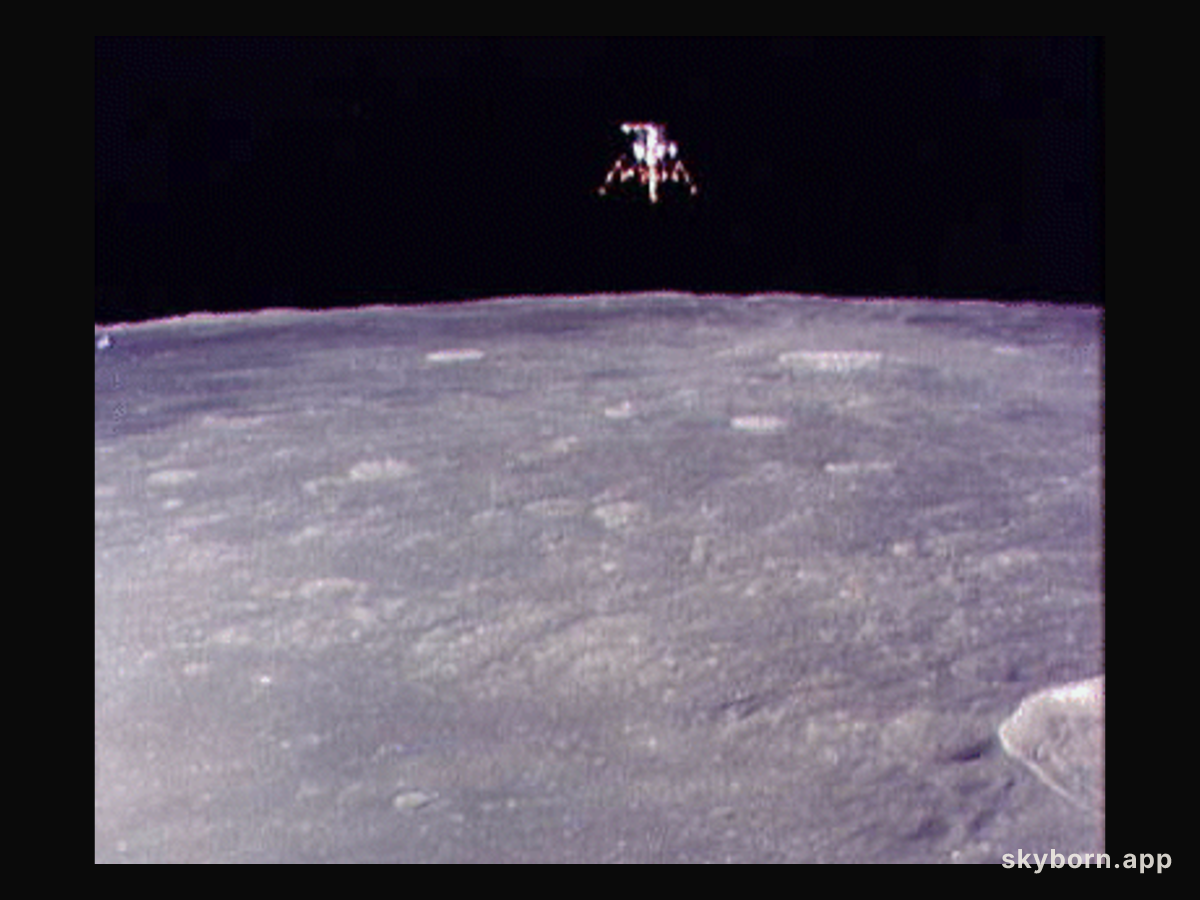
SKYBORN
Apollo 12's Lunar Module Descends
NASA APOD
SKYBORN.APP
SB-1995-10-06
©
COMMON 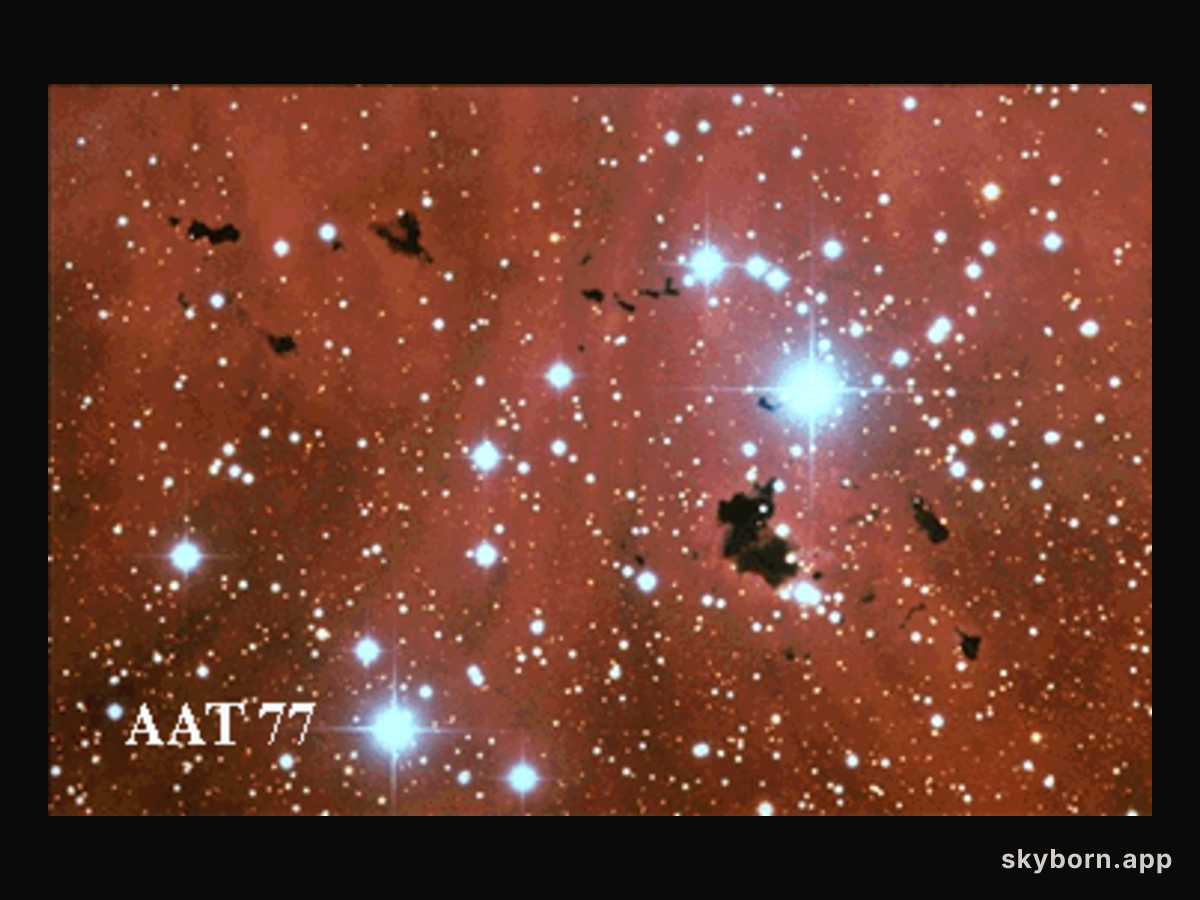
SKYBORN
Dark Bok Globules in IC 2944
NASA APOD · Anglo-Australian Telescope
Board
SKYBORN.APP
SB-1995-10-05
©
UNCOMMON 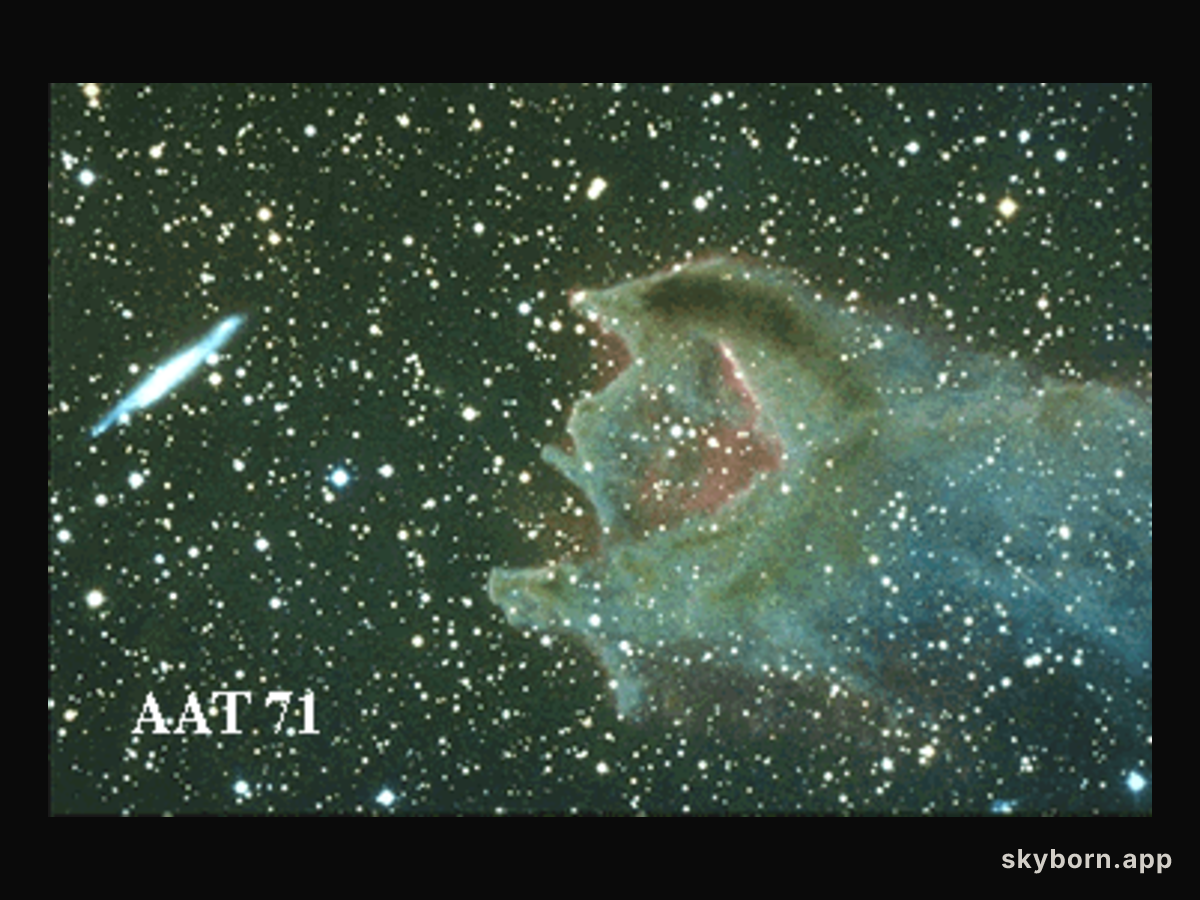
SKYBORN
CG4: A Ruptured Cometary Globule
NASA APOD · Anglo-Australian Telescope
Board
SKYBORN.APP
SB-1995-10-04
COMMON 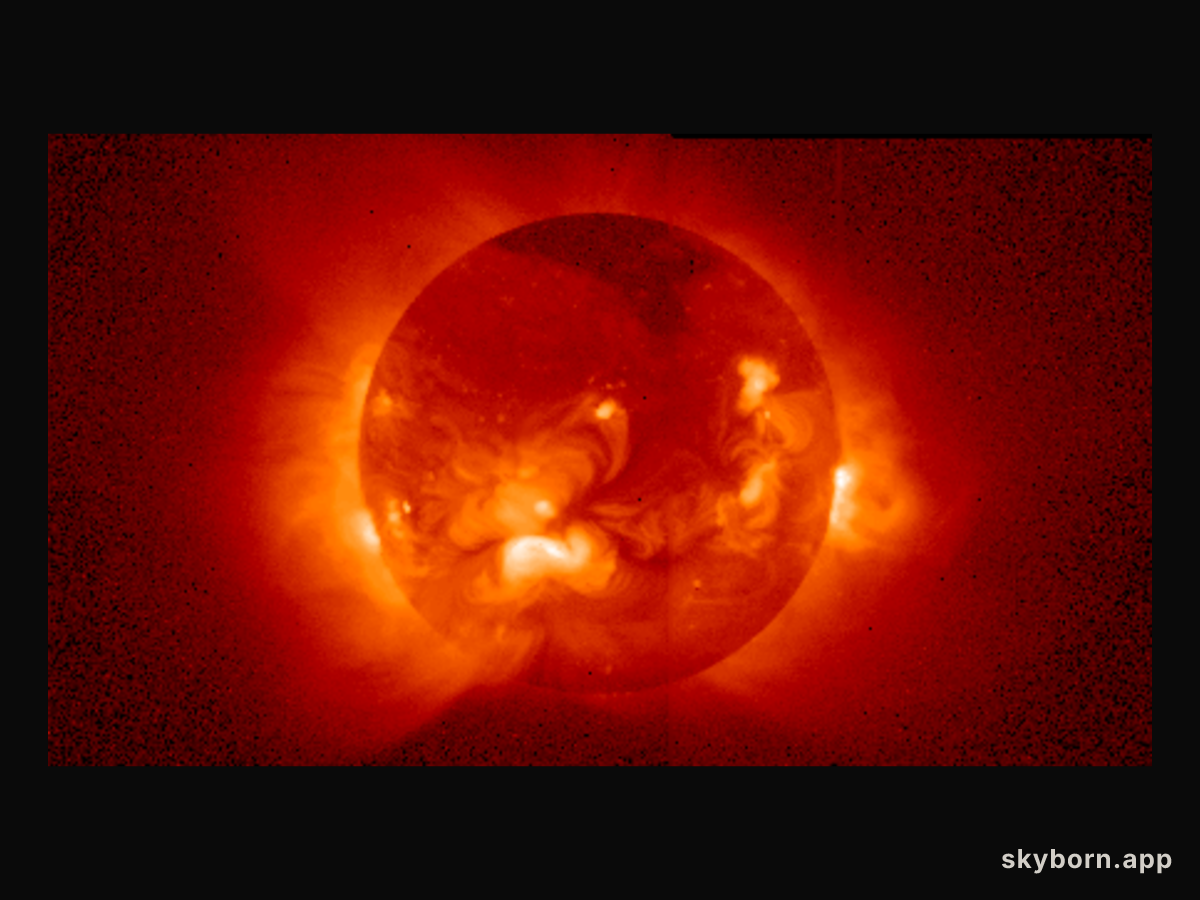
SKYBORN
The Sun Spews X-rays
NASA APOD
SKYBORN.APP
SB-1995-10-03
UNCOMMON 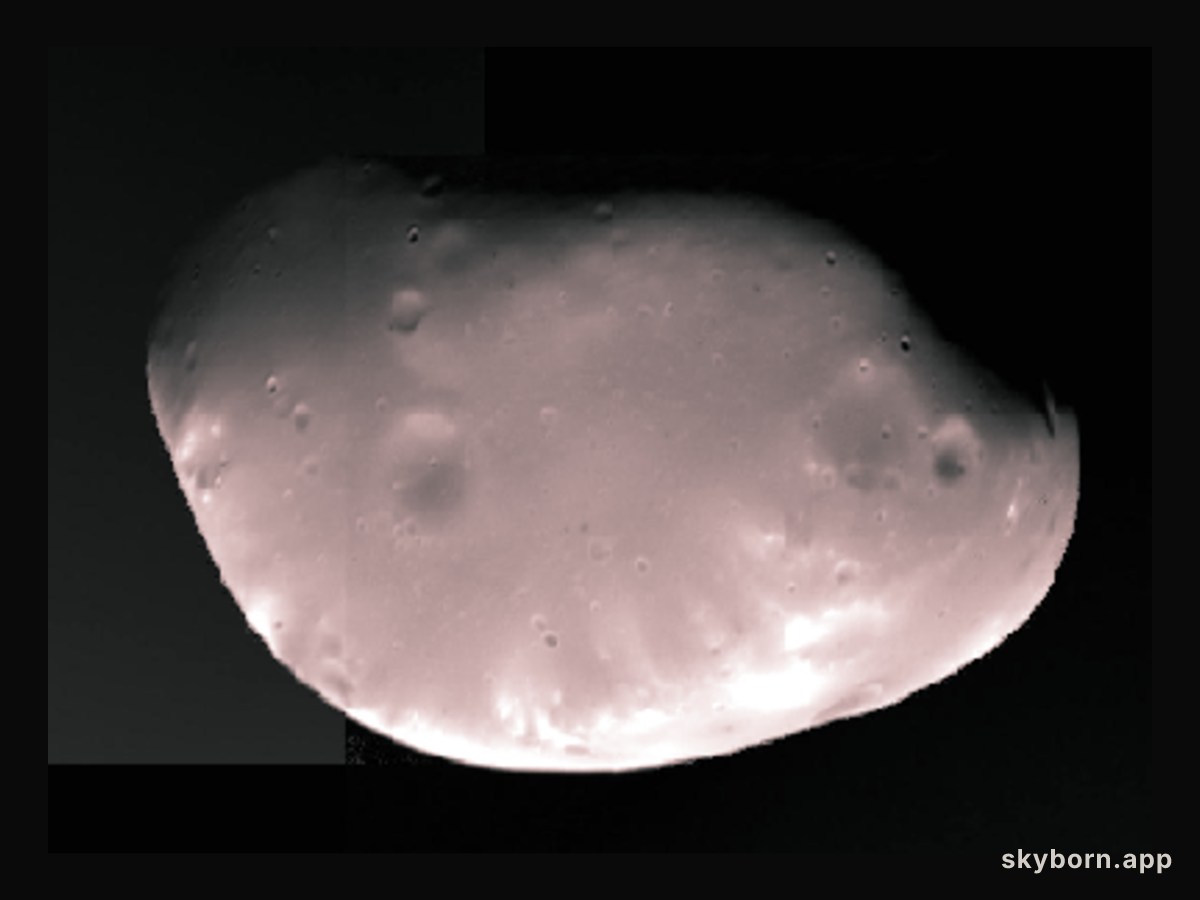
SKYBORN
Deimos: A Small Martian Moon
NASA APOD
SKYBORN.APP
SB-1995-10-02
UNCOMMON 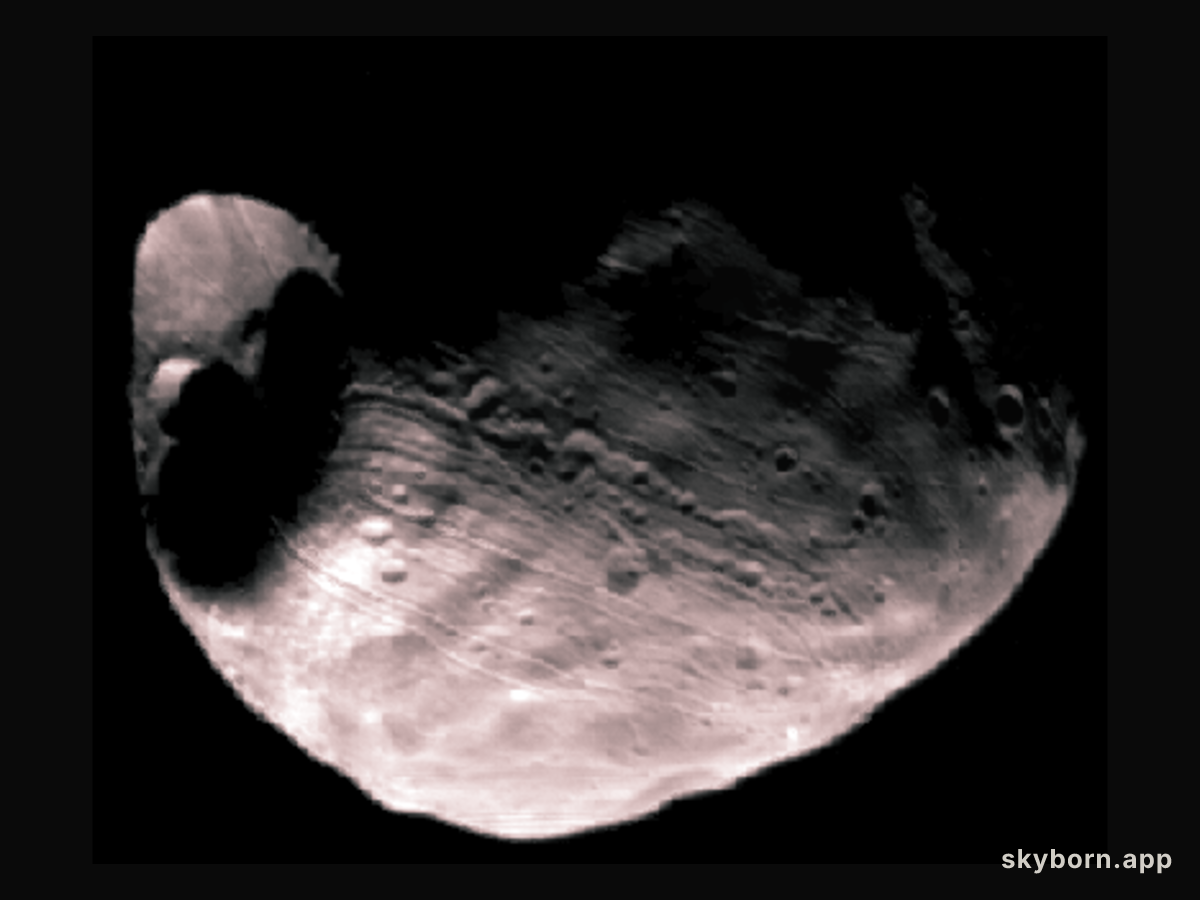
SKYBORN
Phobos: Doomed Moon of Mars
NASA APOD
SKYBORN.APP
SB-1995-10-01
UNCOMMON 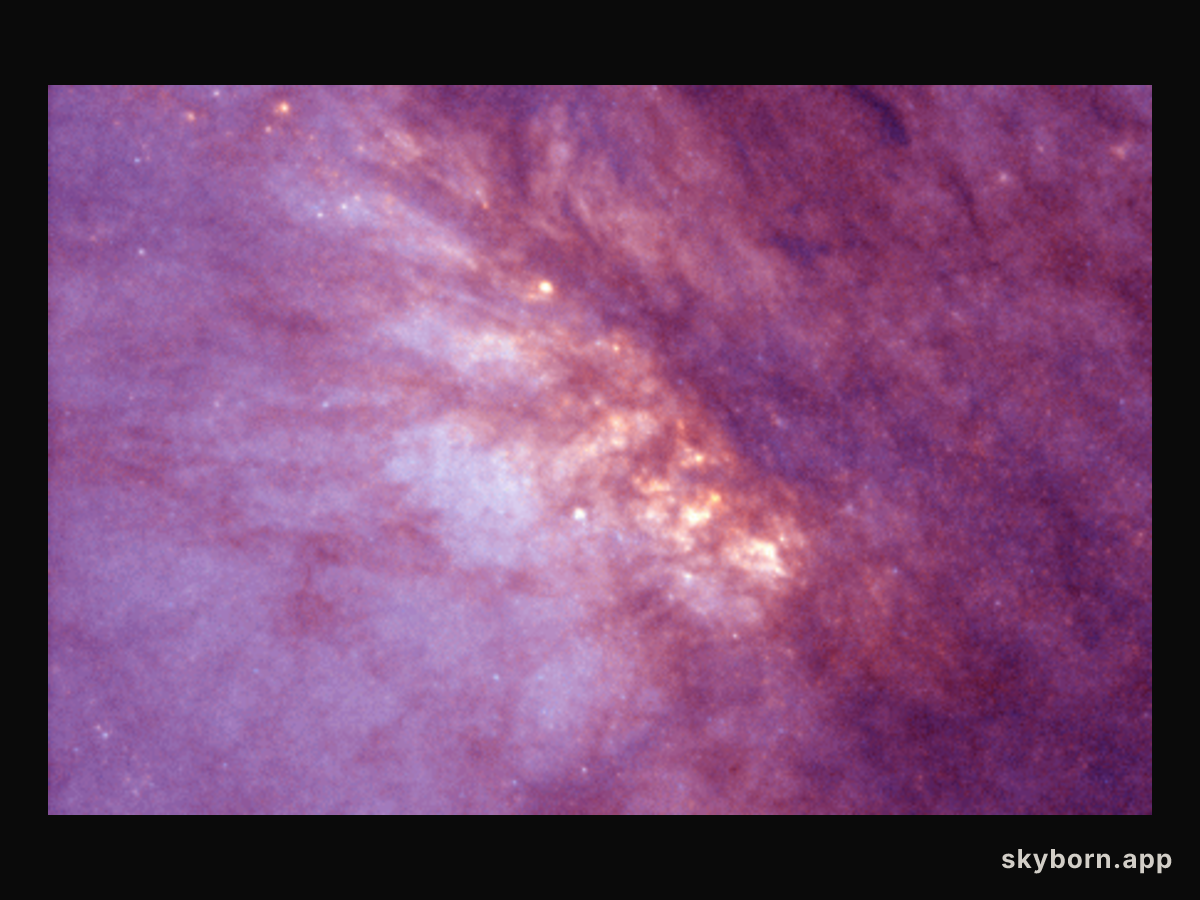
SKYBORN
Central Galactic Star Bursts
NASA APOD
SKYBORN.APP
SB-1995-09-30
UNCOMMON 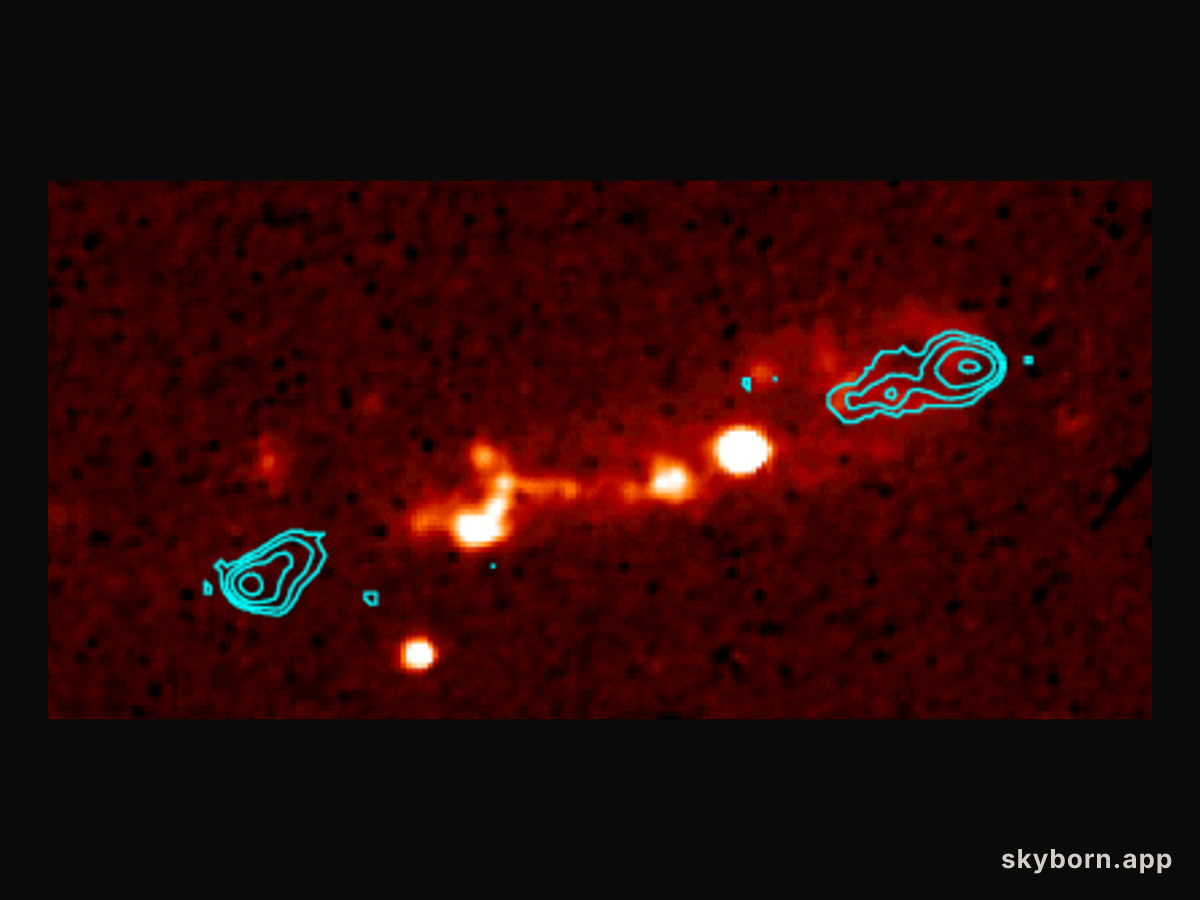
SKYBORN
An Energetic Radio Galaxy
NASA APOD
SKYBORN.APP
SB-1995-09-29
UNCOMMON 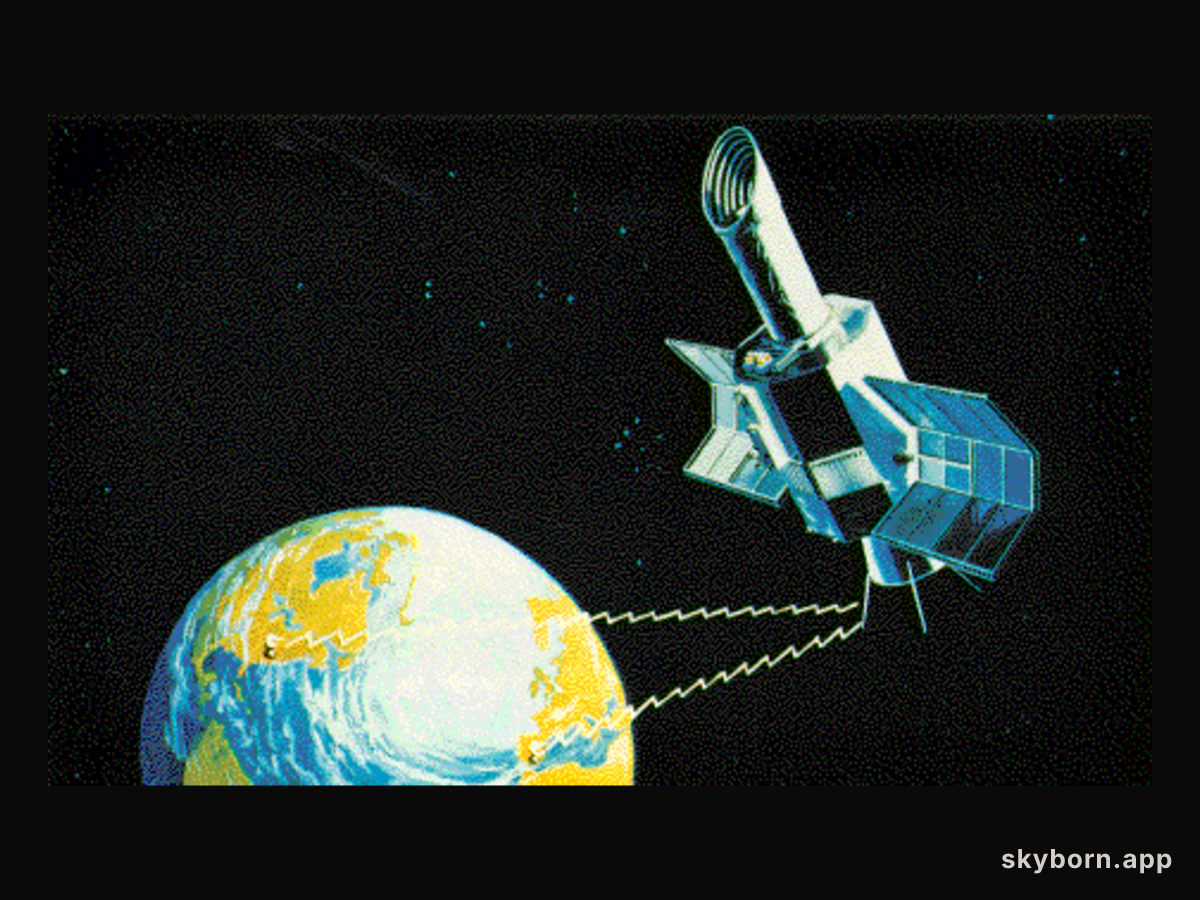
SKYBORN
The International Ultraviolet Explorer
NASA APOD
SKYBORN.APP
SB-1995-09-28
COMMON 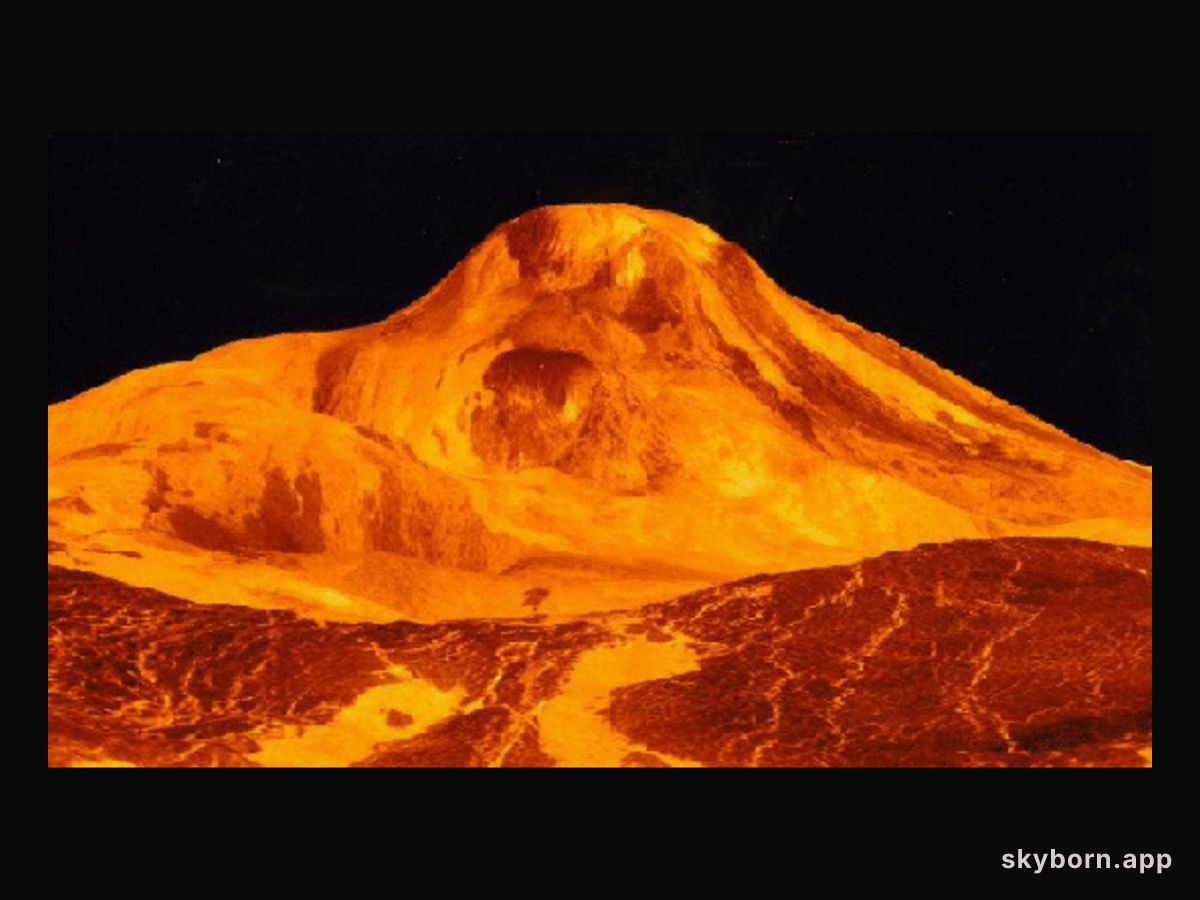
SKYBORN
A Venusian Landscape
NASA APOD
SKYBORN.APP
SB-1995-09-27
UNCOMMON 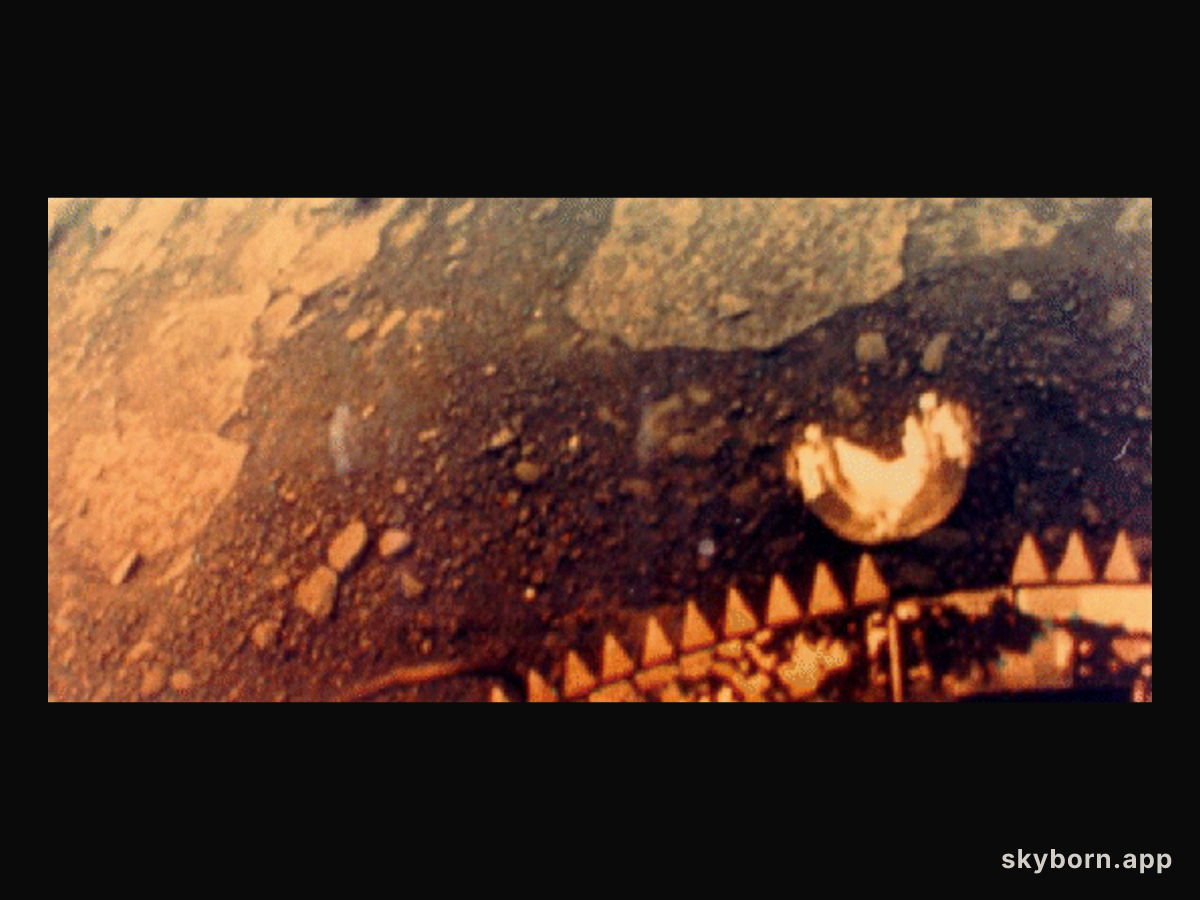
SKYBORN
A Venus Landing
NASA APOD
SKYBORN.APP
SB-1995-09-26
©
COMMON 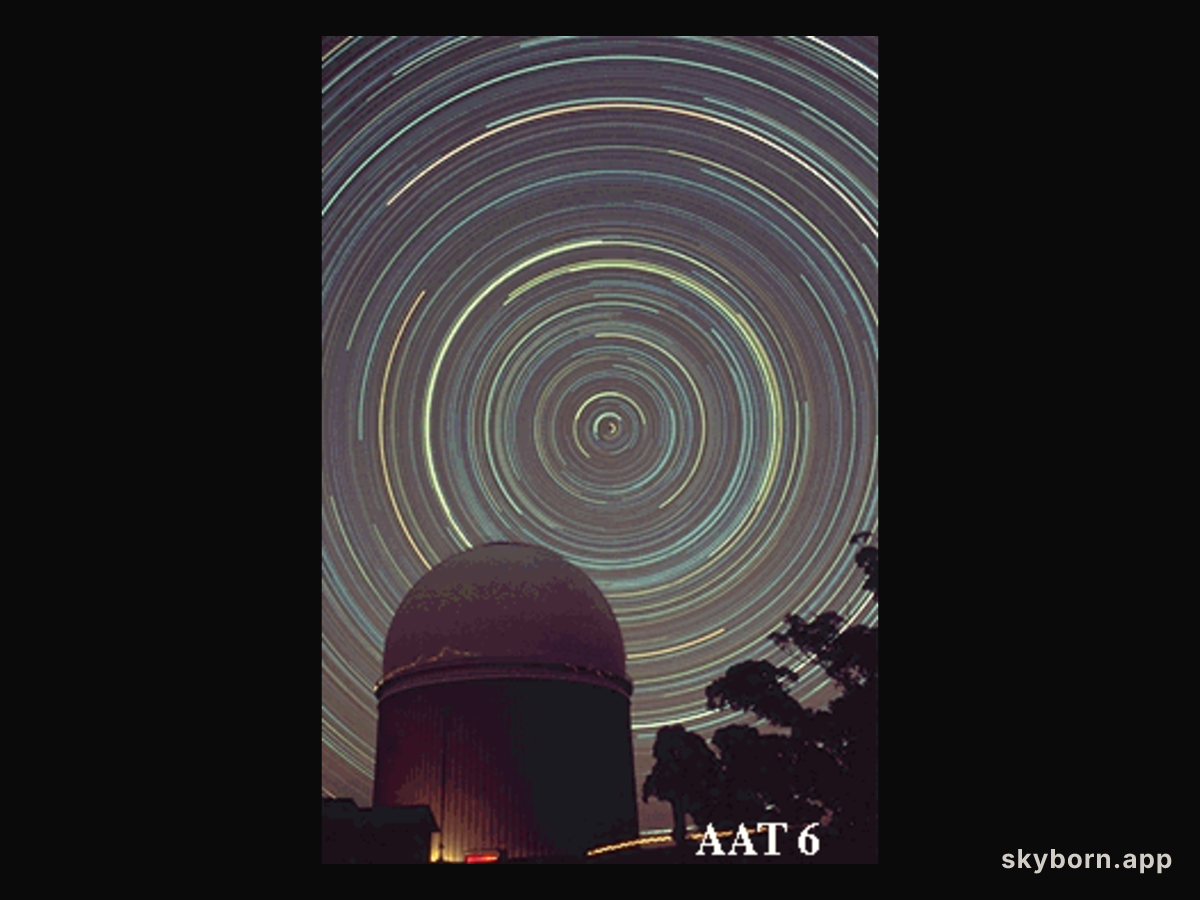
SKYBORN
Star Trails in Southern Skies
NASA APOD · Anglo-Australian Telescope
Board
SKYBORN.APP
SB-1995-09-25
©
RARE · HOLO 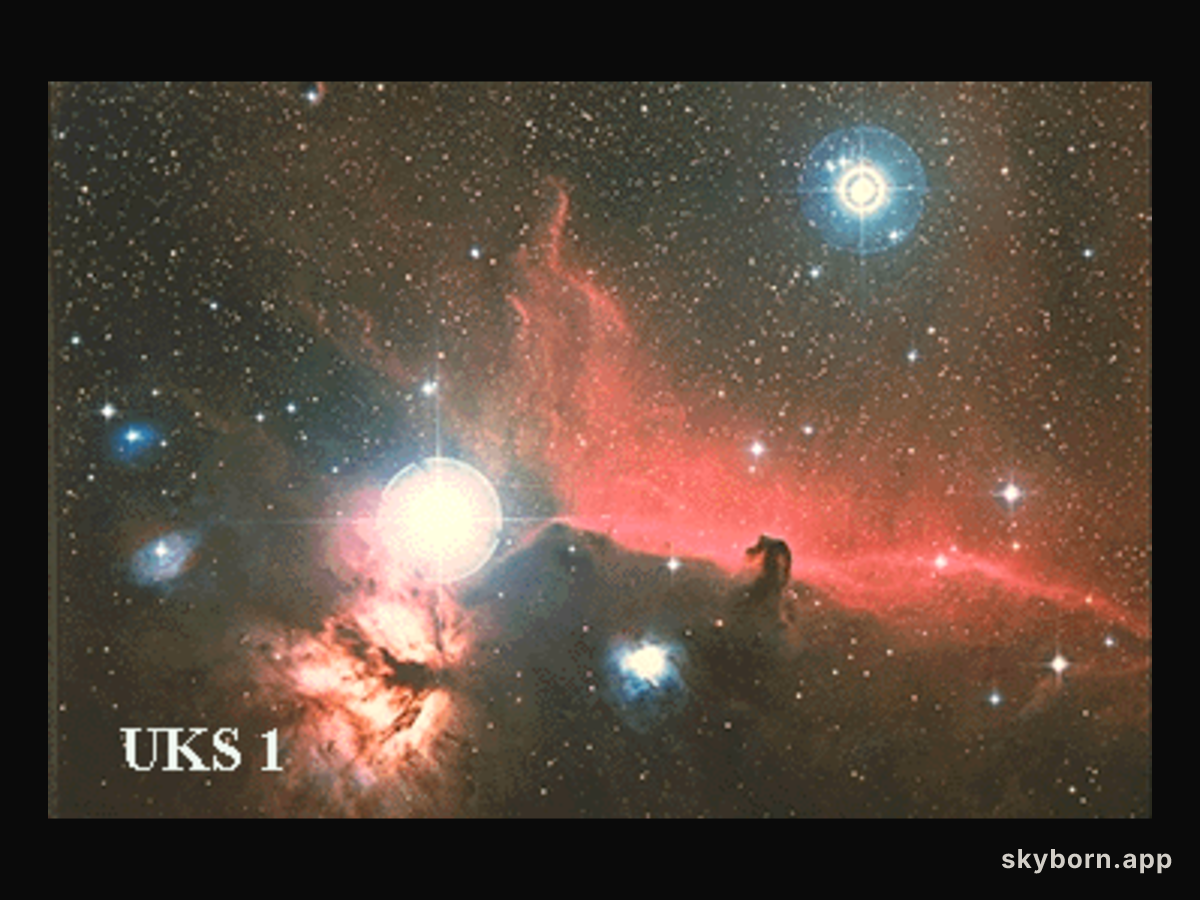
SKYBORN
Orion's Horsehead Nebula
NASA APOD · Anglo-Australian Telescope
Board
SKYBORN.APP
SB-1995-09-24
UNCOMMON 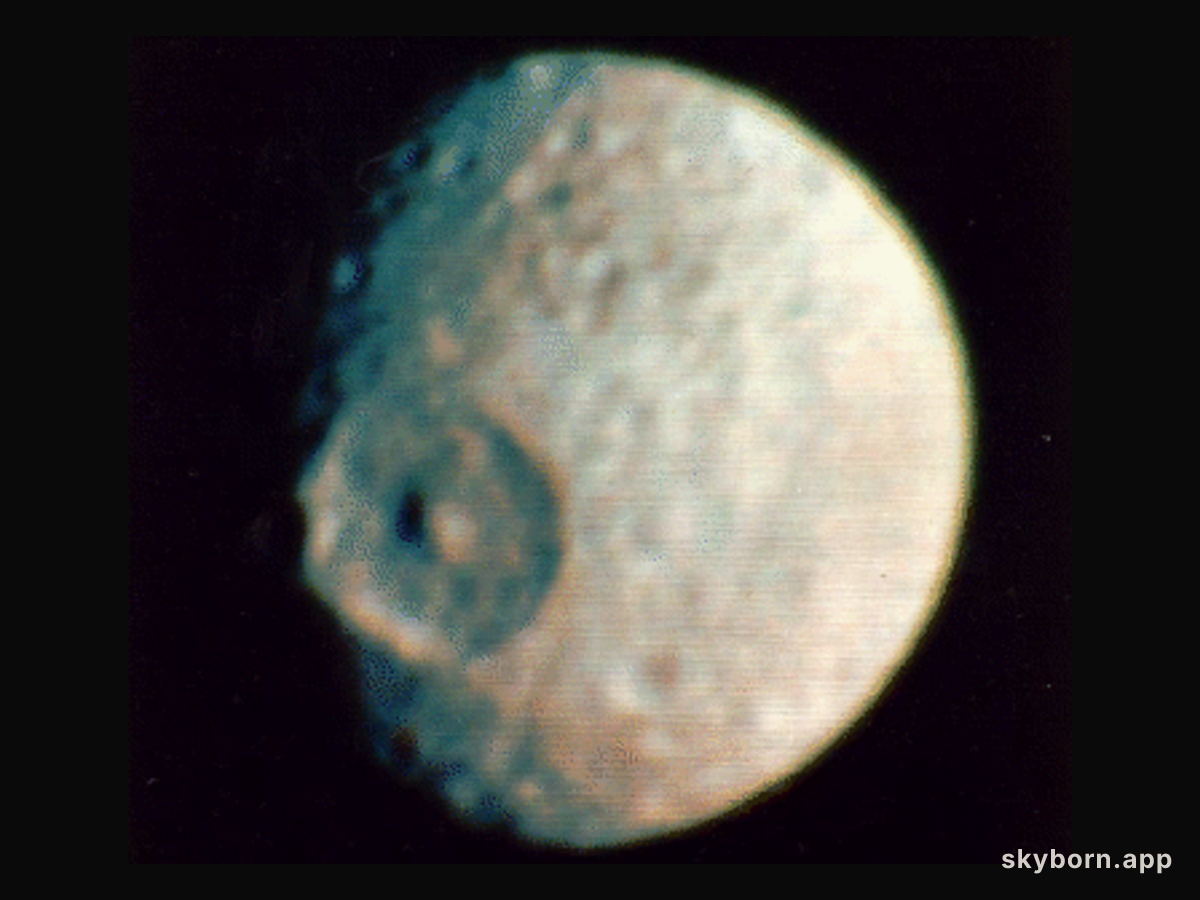
SKYBORN
Mimas: Small Moon with A Big Crater
NASA APOD
SKYBORN.APP
SB-1995-09-23
UNCOMMON 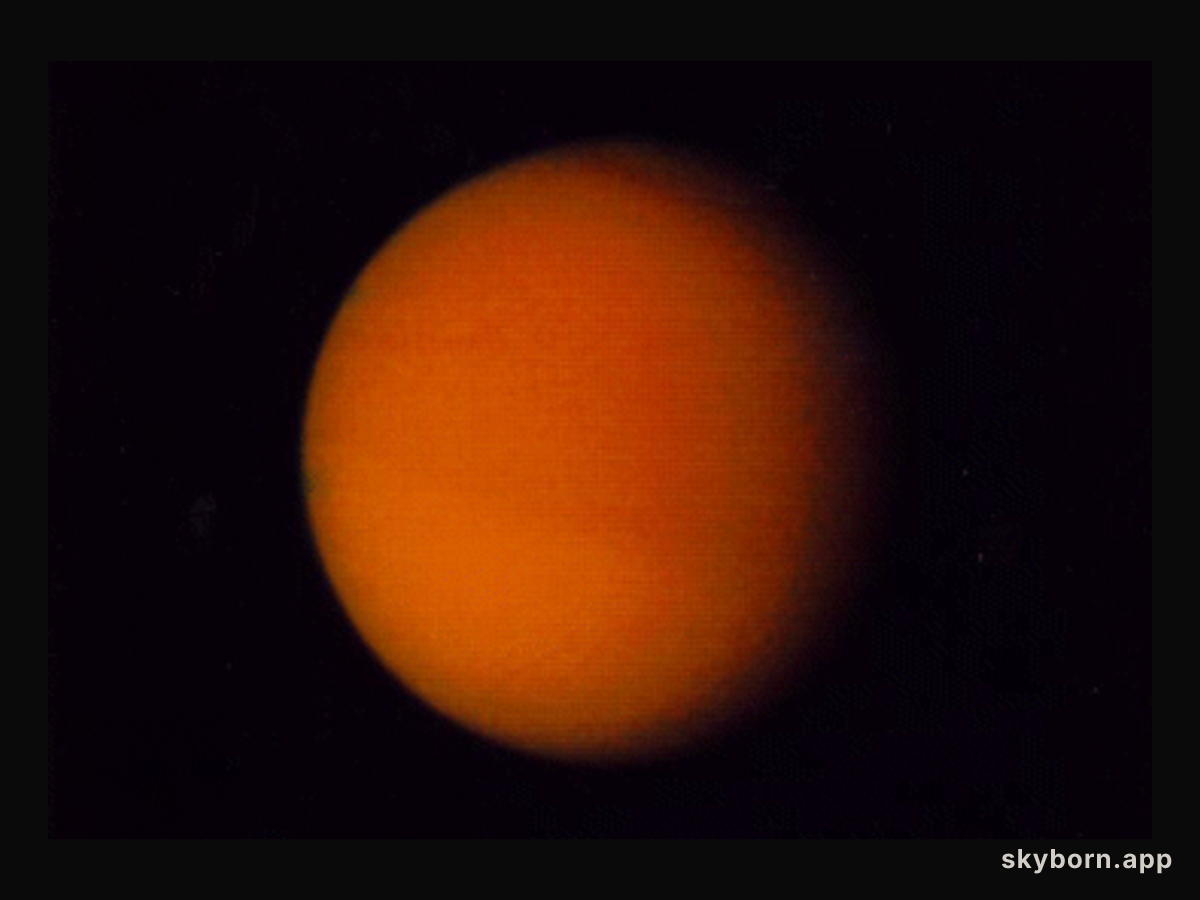
SKYBORN
Titan: Saturn's Smog Moon
NASA APOD
SKYBORN.APP
SB-1995-09-22
UNCOMMON 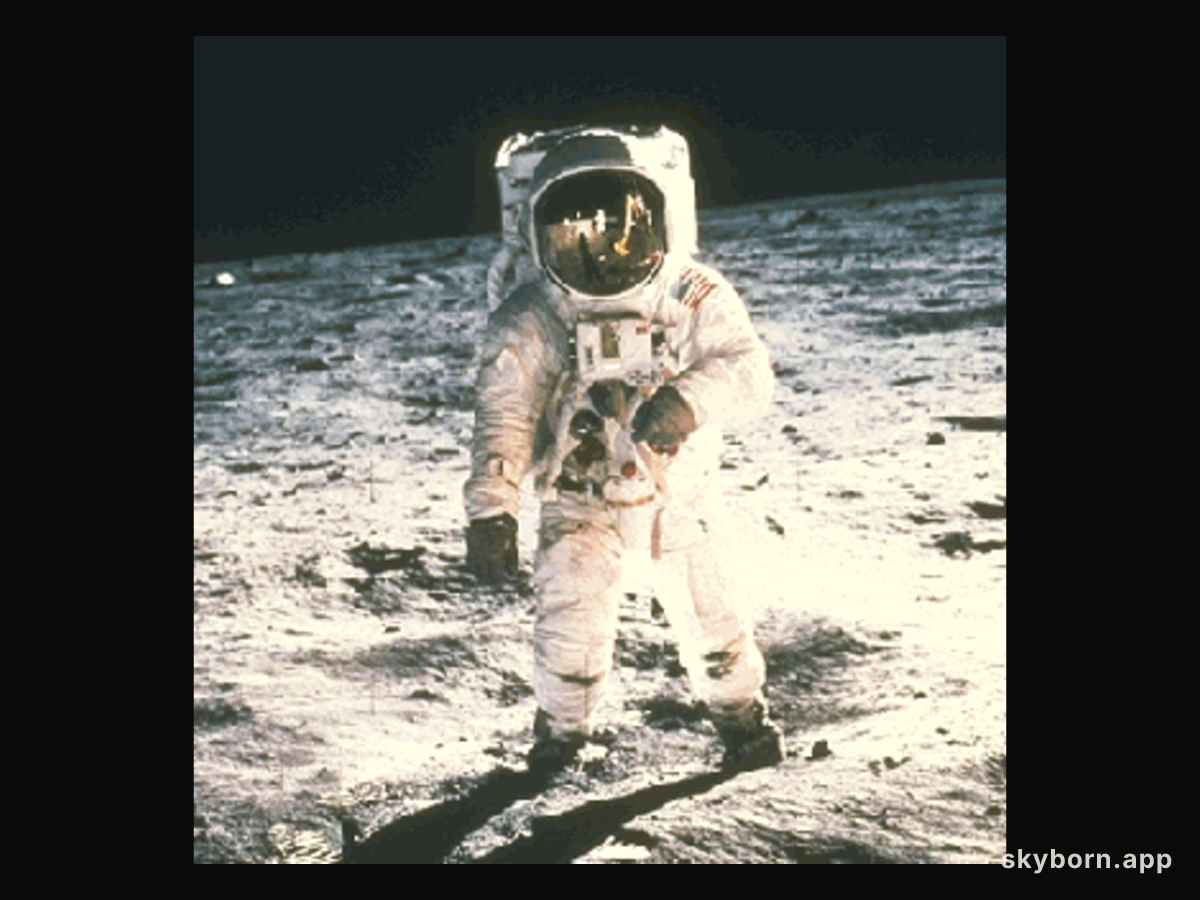
SKYBORN
Standing on the Moon
NASA APOD
SKYBORN.APP
SB-1995-09-21
UNCOMMON 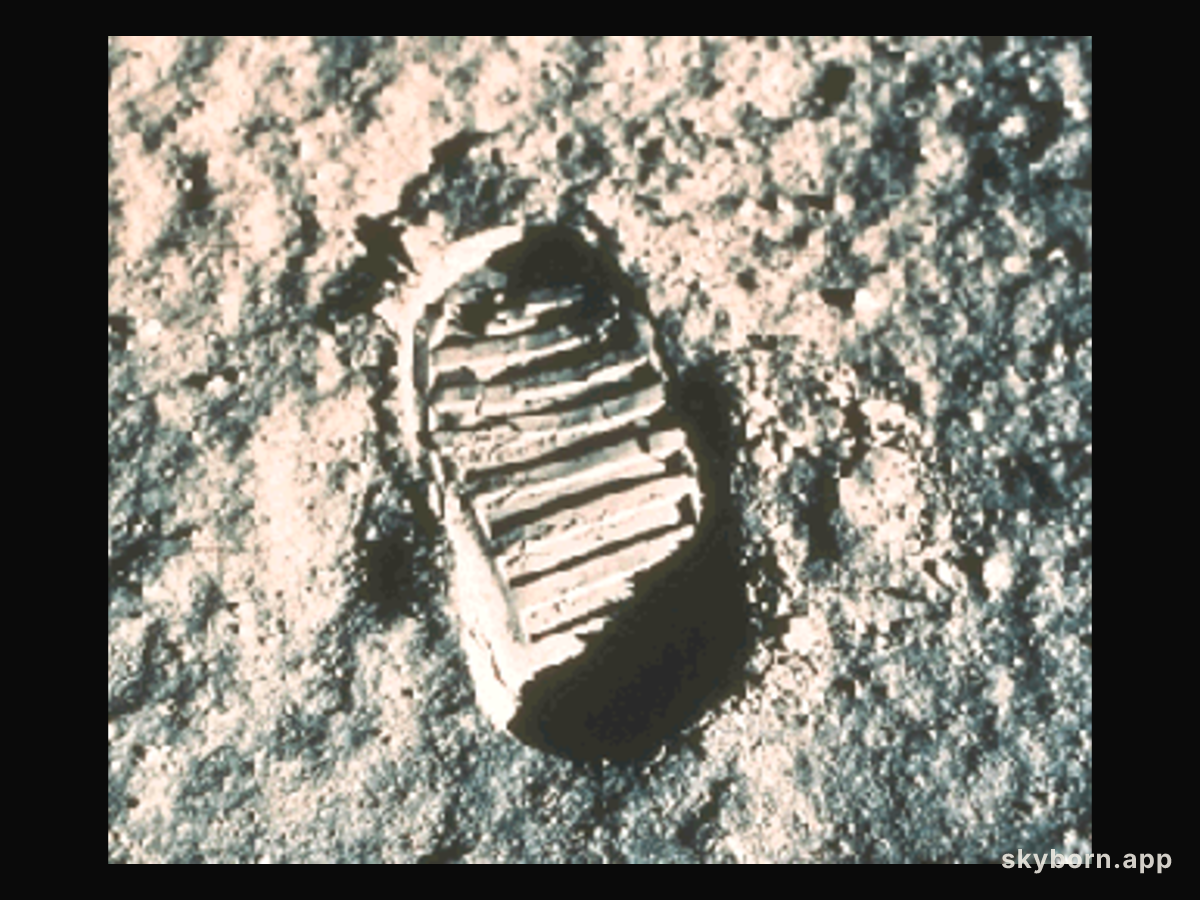
SKYBORN
One Small Step
NASA APOD
SKYBORN.APP
SB-1995-09-20
UNCOMMON 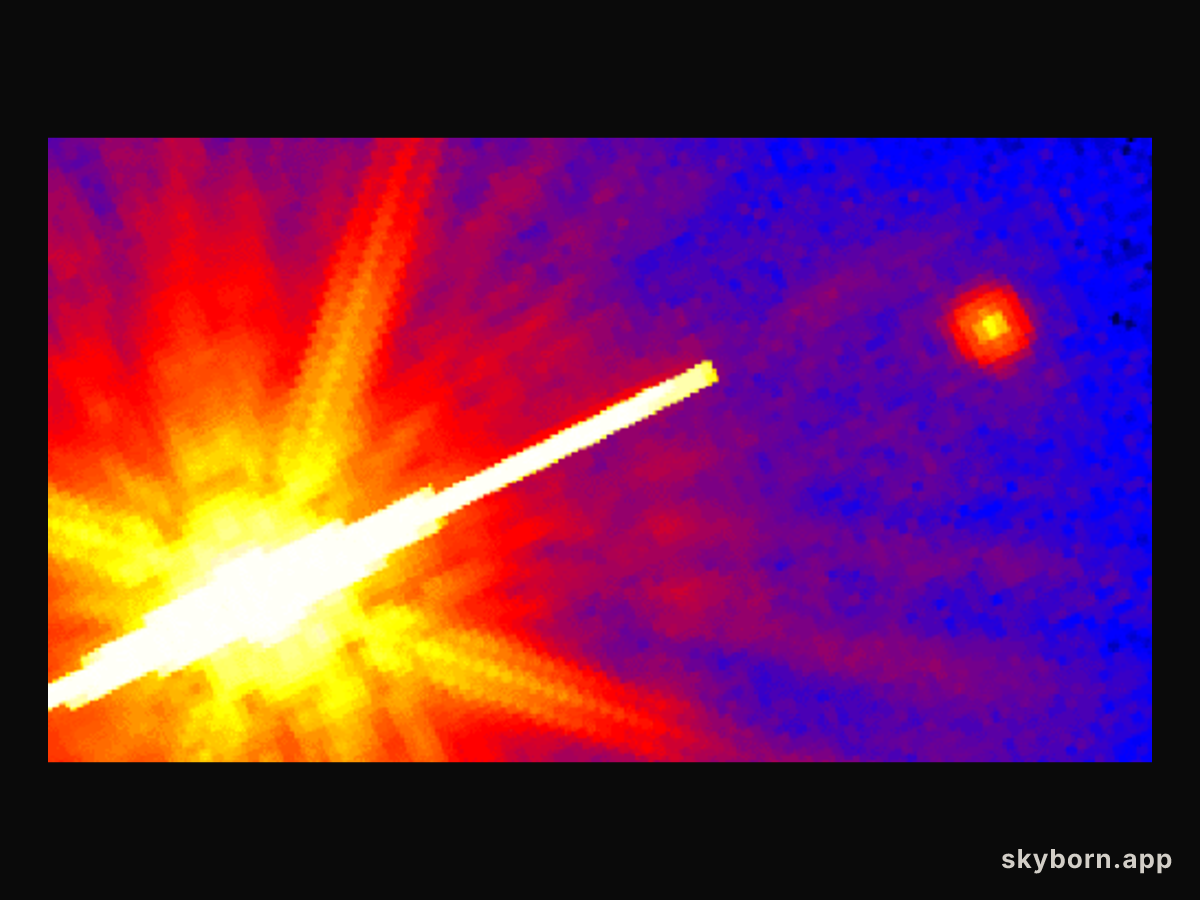
SKYBORN
GL 105C: The Coolest Star?
NASA APOD
SKYBORN.APP
SB-1995-09-19
©
UNCOMMON 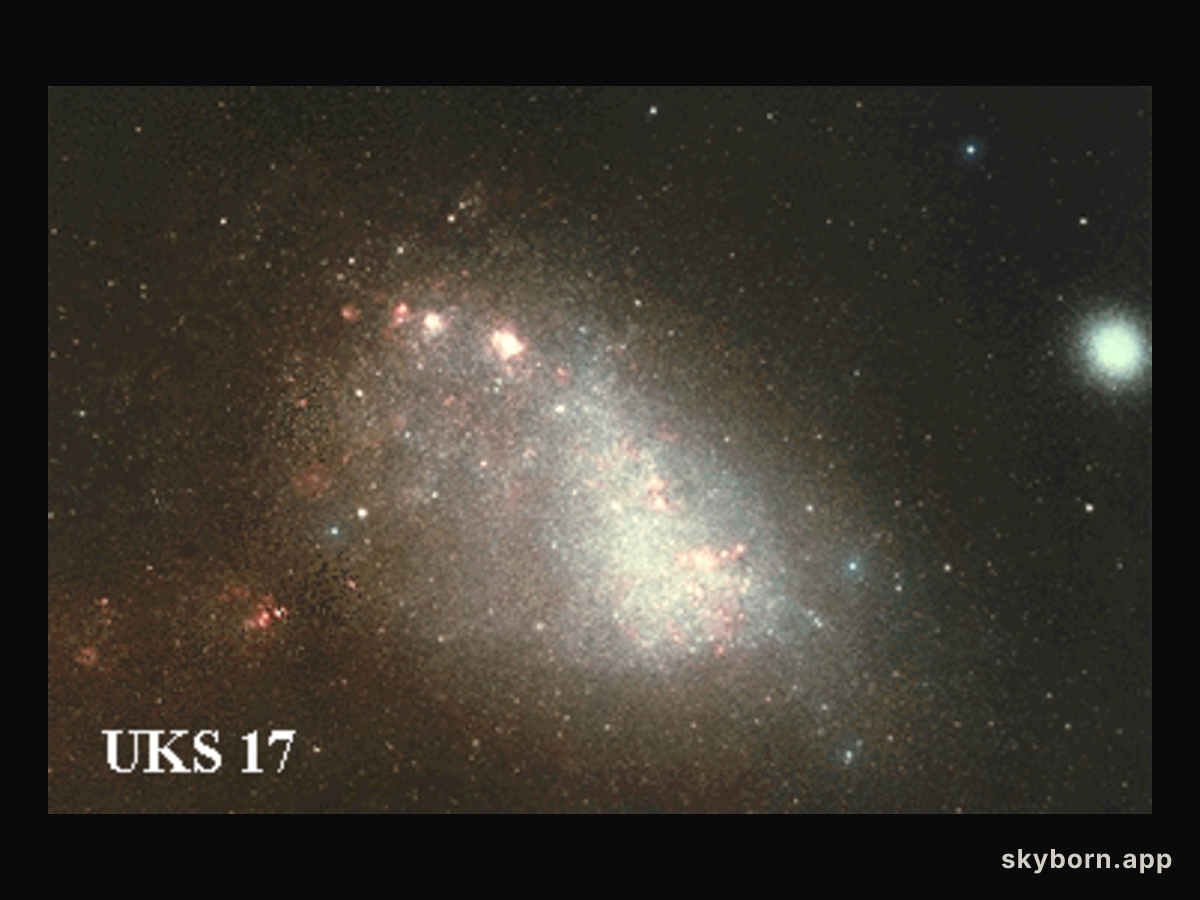
SKYBORN
The Small Cloud of Magellan
NASA APOD · Anglo-Australian Telescope
Board Explanation: Almost unknown to casual observers in the northern hemisphere,
the southern
sky contains two diffuse wonders known as the
Magellanic Clouds.
The Magellanic Clouds are small irregular
galaxies orbiting our
own larger Milky Way spiral galaxy.
The Small Magellanic Cloud
(SMC), pictured here,
is about 250,000 light years away and
contains a preponderance of young, hot, blue stars indicating it has
undergone a recent period of star formation.
There is evidence that the SMC is actually two
galaxies superposed to appear as one. The bright blob near
the right hand edge of the frame is a
globular cluster near the
outskirts of the Milky Way. Tomorrow's picture: GL 105C: The Coolest Star? | Archive | Glossary | Education | About APOD | Astronomy Picture of the Day (APOD) is created and edited in 1995 by
Robert
Nemiroff (GMU) and
Jerry Bonnell (USRA). Specific rights may apply.
Correspondence about APOD should be addressed to
nemiroff@grossc.gsfc.nasa.gov or bonnell@grossc.gsfc.nasa.gov. A service of the Laboratory for High Energy Astrophysics (LHEA) at
NASA/
GSFC Technical Rep:
Sherri Calvo,
301-286-5668, sherri.calvo@gsfc.nasa.gov
Questions/Comments/Feedback to: feedback@athena.gsfc.nasa.gov General astronomy pointers are available.
SKYBORN.APP
SB-1995-09-18
©
UNCOMMON 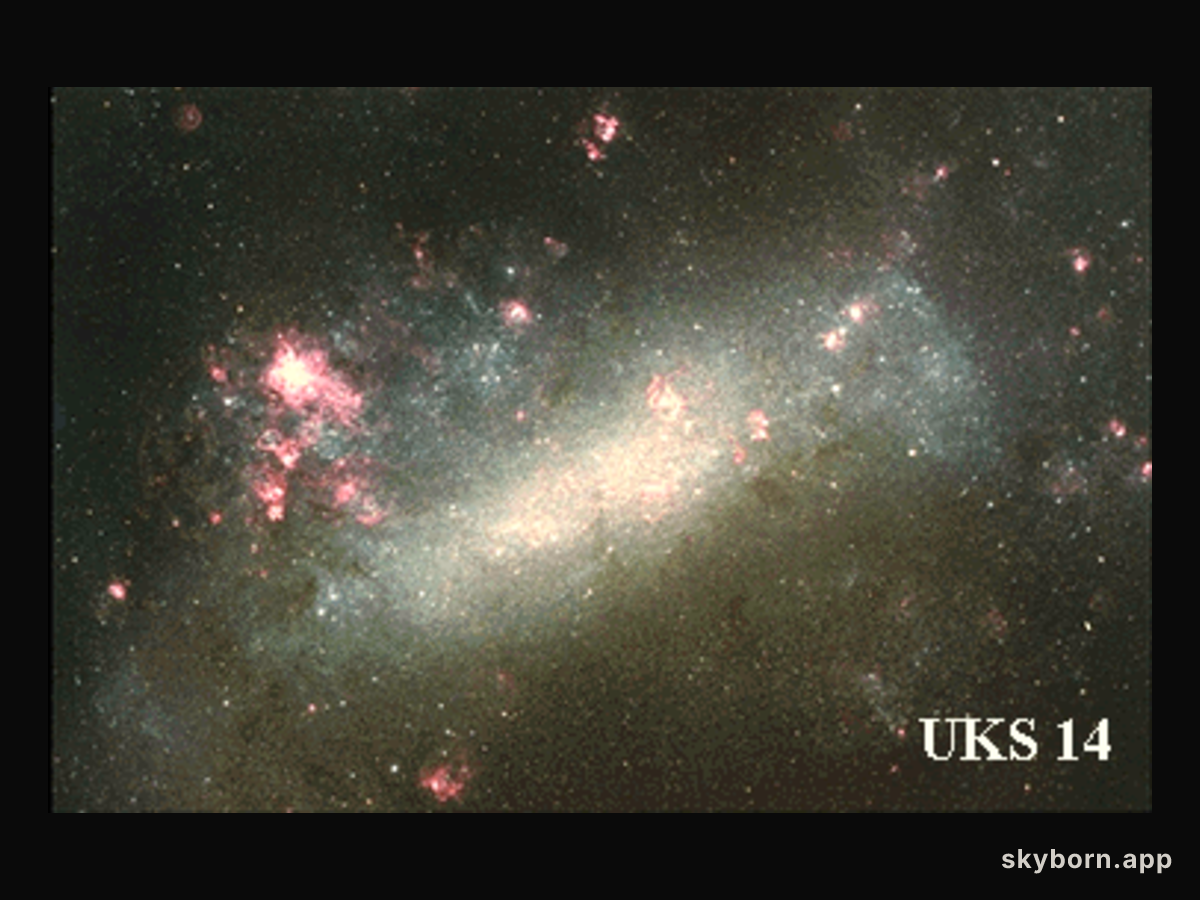
SKYBORN
The Large Cloud of Magellan
NASA APOD · Anglo-Australian Telescope
Board Explanation: Magellan and his crew had plenty of time to study the southern sky
during their famous voyage around the world. As a result, two fuzzy
cloud like objects, nestled among the southern constellations of Doradus
and Tucana are now
known as the Clouds of Magellan. The Magellanic Clouds are small irregular
galaxies, satellites of our
larger Milky Way spiral galaxy.
The Large Magellanic Cloud
(LMC) pictured above is the closest galaxy to our own Milky Way,
at a distance of about 180,000 light years.
The Magellanic Clouds are joined to the Milky Way by a
stream of cold hydrogen gas whose origin is still controversial.
An unusual effect called
gravitational lensing has recently
been detected in a few LMC stars, and there is hope this could
tell us important information about the
true composition of our universe. Tomorrow's picture: The Small Cloud of Magellan | Archive | Glossary | Education | About APOD | Astronomy Picture of the Day (TM) is created and copyrighted in 1995 by Robert Nemiroff and Jerry Bonnell who are solely responsible for its content.
SKYBORN.APP
SB-1995-09-17
©
UNCOMMON 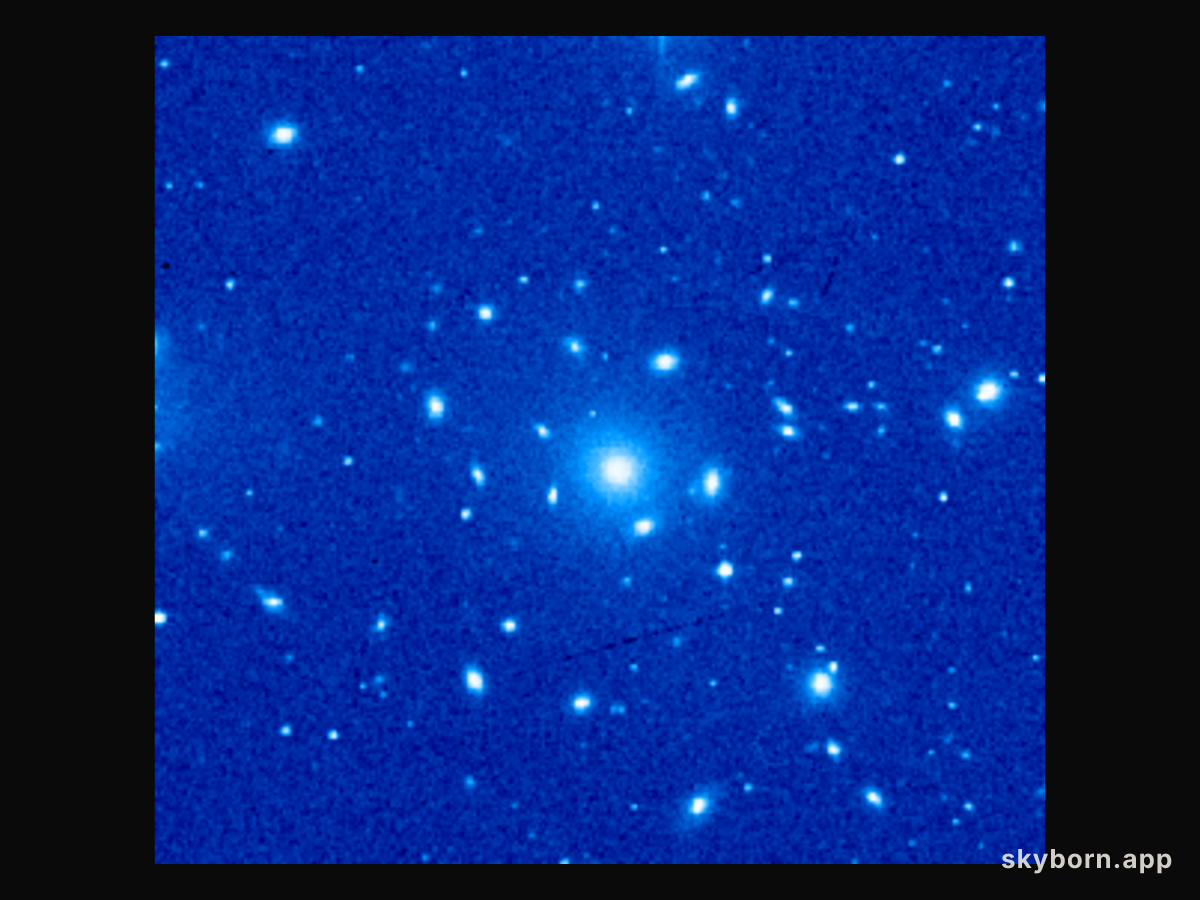
SKYBORN
Thousands of Coma Cluster Galaxies
NASA APOD · Royal Observatory Edinburgh, Anglo-Australian Observatory, and AURA Explanation: Almost every object in the above photograph is a galaxy. The Coma Cluster of galaxies pictured is a dense cluster containing many thousands of galaxies. Many of these galaxies contain as many stars as our own Milky Way Galaxy. Although nearby when compared to most other clusters, light from the Coma Cluster
still takes hundreds of millions of years to reach us. In
fact, the Coma Cluster is so big it takes light millions of years just to
go from one side to the other! This picture was created at the WWW site
Skyview, a "virtual observatory" where it is possible to view any part of
the sky in wavelengths from radio to gamma-ray. Tomorrow's picture: The Large Cloud of Magellan | Archive | Glossary | Education | About APOD | Astronomy Picture of the Day (TM) is created and copyrighted in 1995 by Robert Nemiroff and Jerry Bonnell who are solely responsible for its content.
SKYBORN.APP
SB-1995-09-16
UNCOMMON 
SKYBORN
Rockets and Robert Goddard
NASA APOD
SKYBORN.APP