
11,417 PLATES ON FILE
The Vault.
Every plate Skyborn holds, from the NASA and ESA archives. Filter by source, decade, rarity or licence, then open any card to see the day it belongs to.
Showing 11329 to 11352 of 11,417
SB-1995-09-15
COMMON 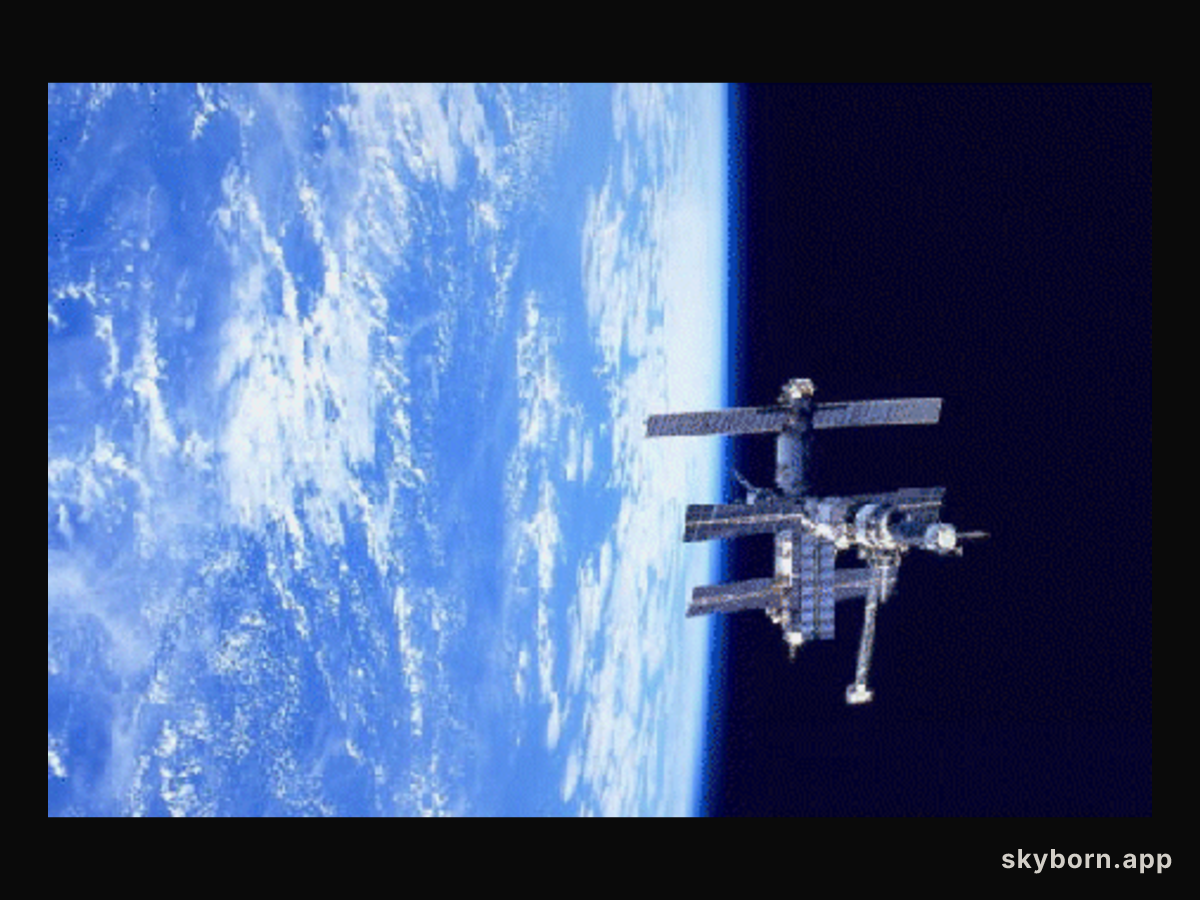

SKYBORN
Space Station Mir Over Earth
NASA APOD
SKYBORN.APP
SB-1995-09-14
UNCOMMON 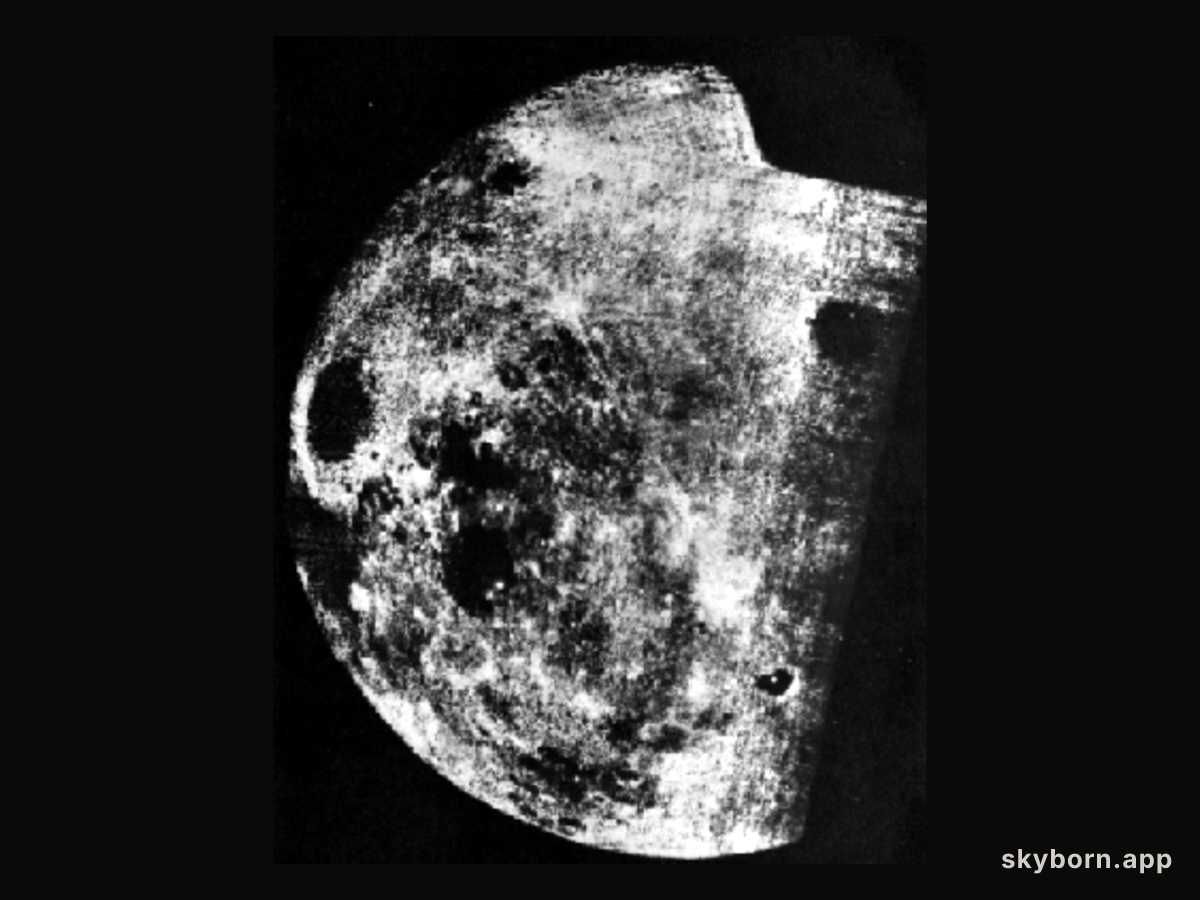
SKYBORN
The Far Side
NASA APOD
SKYBORN.APP
SB-1995-09-13
©
UNCOMMON 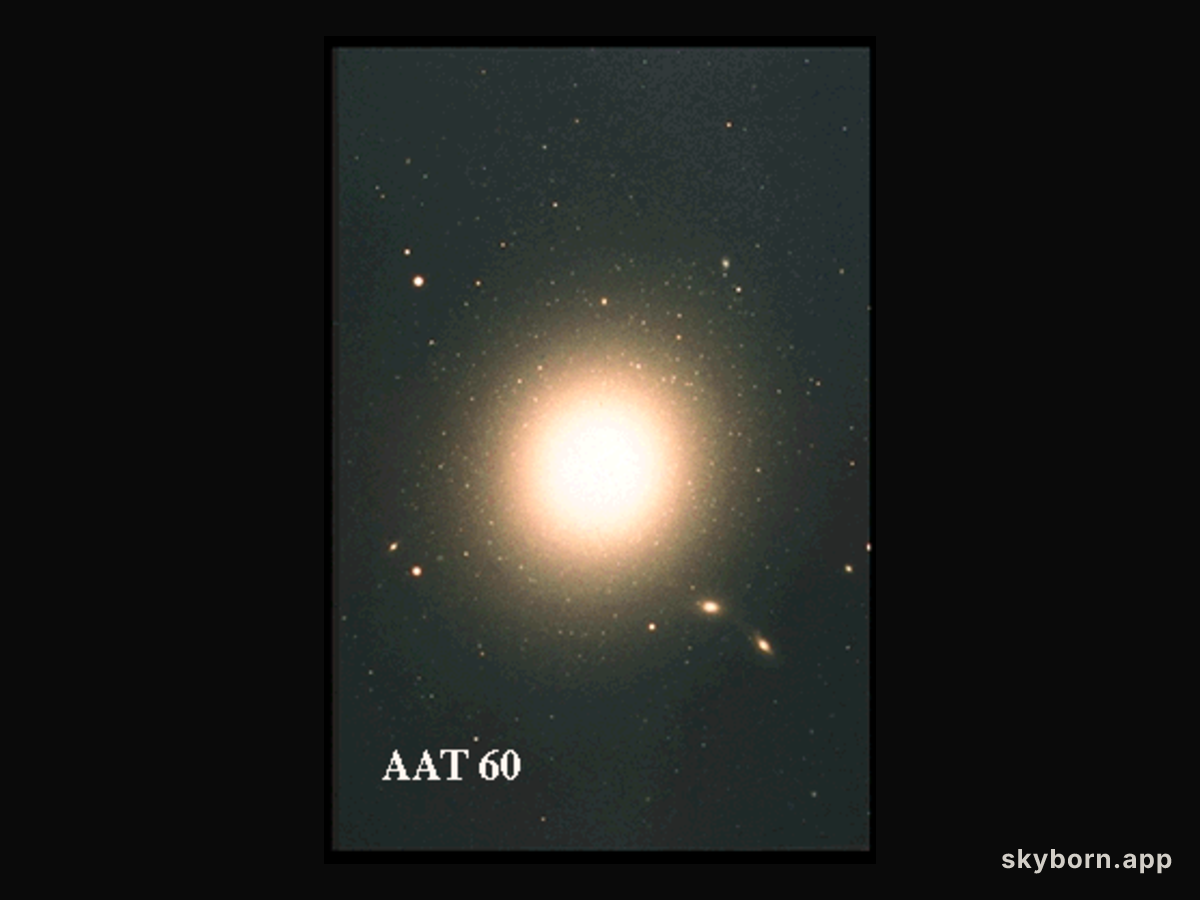
SKYBORN
Elliptical Galaxy M87
NASA APOD · Anglo-Australian Telescope
Board Explanation: Elliptical galaxy M87 is a type of galaxy that looks much different than our own Milky Way Galaxy. But even for an elliptical galaxy M87 is peculiar.
M87 is much bigger than an average galaxy, appears at the center of a whole cluster of galaxies known as the Virgo Cluster, and shows a very high number of globular clusters. These globular clusters are visible as faint
spots surrounding the bright center of M87. In general, elliptical galaxies
contain similar numbers of stars as spiral galaxies, but are ellipsoidal in
shape (spirals are mostly flat), have no spiral structure, and little gas and dust. This picture is number sixty on a publicly posted list of
images from the Anglo-Australian Telescope (AAT). Tomorrow's picture: The Far Side | Archive | Glossary | Education | About APOD | Astronomy Picture of the Day (TM) is created and copyrighted in 1995 by Robert Nemiroff and Jerry Bonnell who are solely responsible for its content.
SKYBORN.APP
SB-1995-09-12
©
UNCOMMON 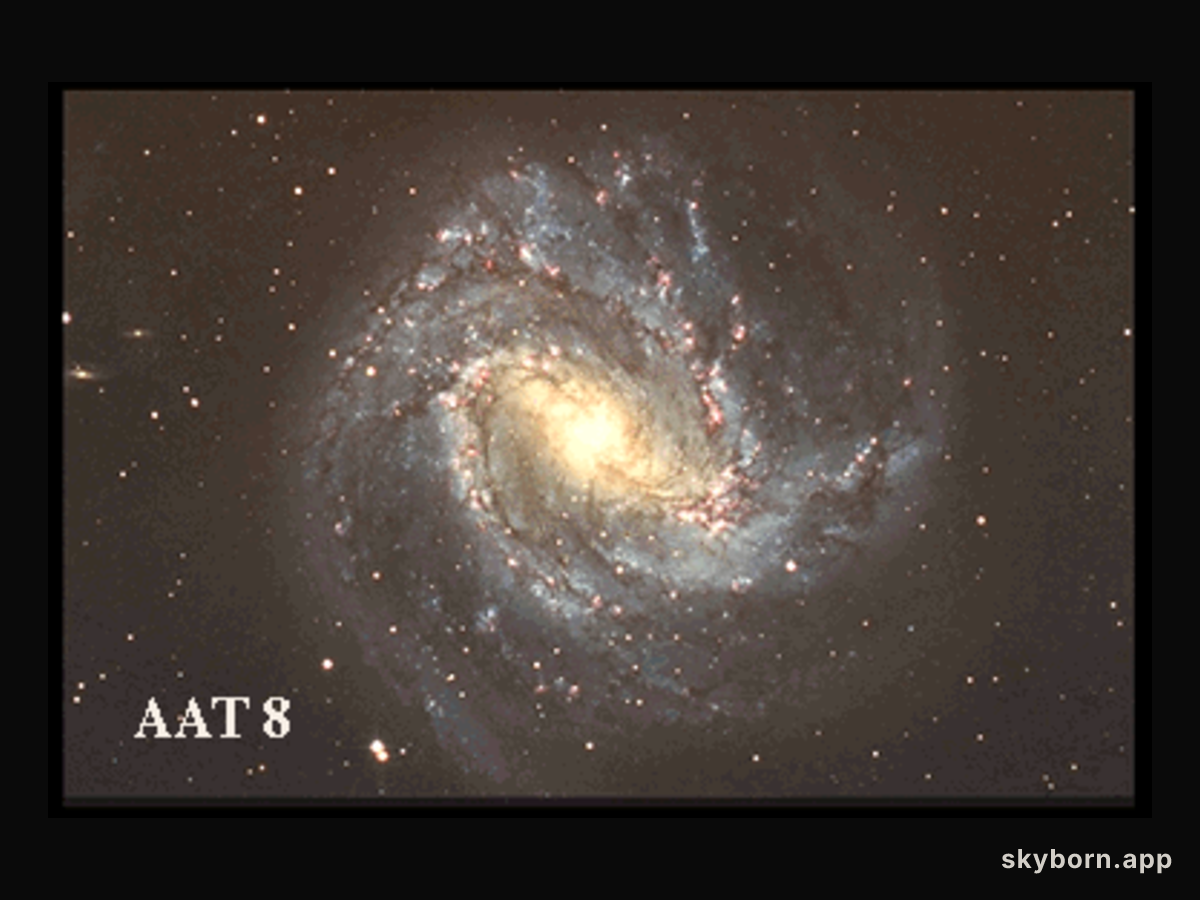
SKYBORN
Spiral Galaxy M83
NASA APOD · Anglo-Australian Telescope
Board Explanation: Long winding spiral arms are clearly evident on this spectacular picture of
the spiral galaxy M83. The blue color of the spiral arms is caused by the relatively large fraction of young blue stars there. Dark dust lanes are
mixed in with the stars and trace the spiral structure of the galaxy. This
galaxy contains many billions of stars, and its light took many millions of
years to reach us. Our own Milky Way Galaxy would appear similar to this if
viewed from M83!
This picture is number eight on a publicly posted list of
images from the Anglo-Australian Telescope (AAT). Tomorrow's picture: Elliptical Galaxy M87 | Archive | Glossary | Education | About APOD | Astronomy Picture of the Day (TM) is created and copyrighted in 1995 by Robert Nemiroff and Jerry Bonnell who are solely responsible for its content.
SKYBORN.APP
SB-1995-09-11
UNCOMMON 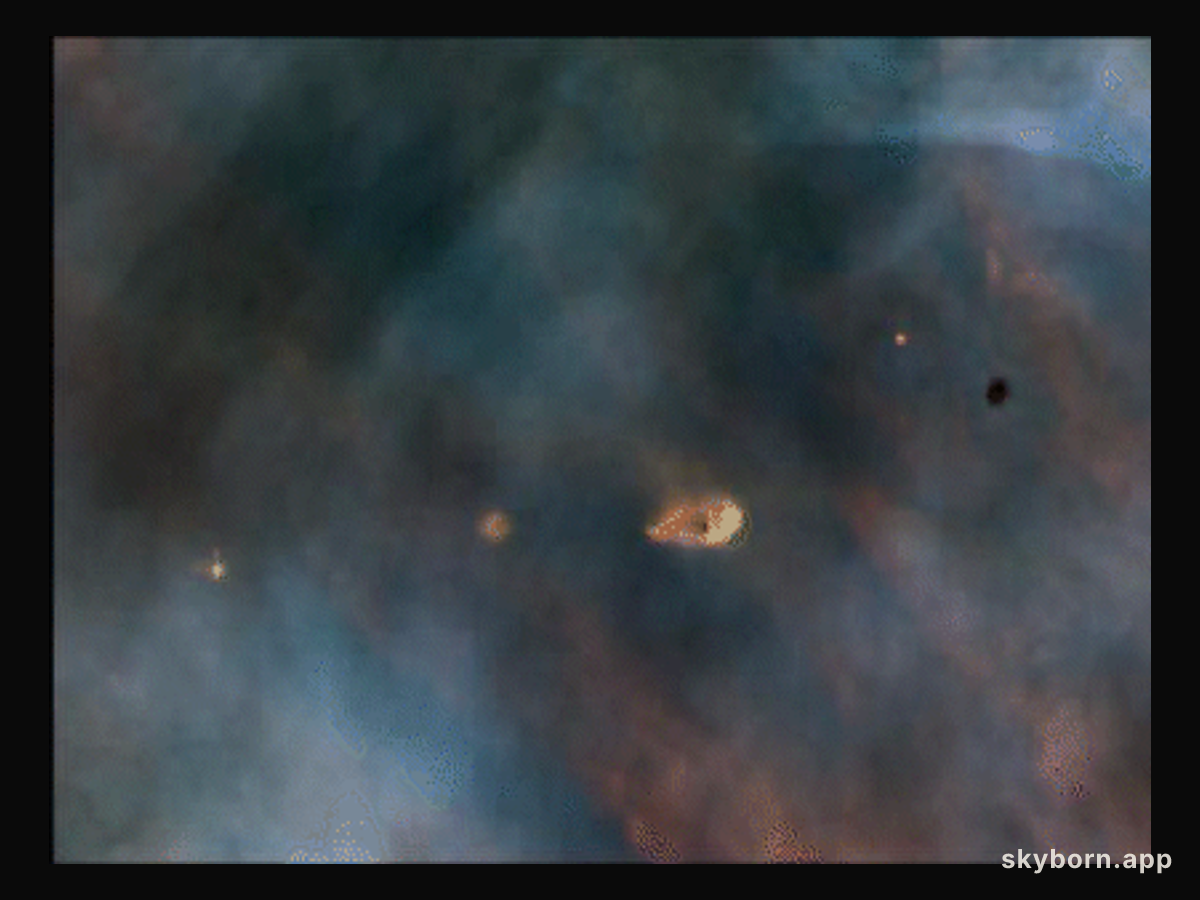
SKYBORN
Proplyds: Infant Solar Systems
NASA APOD
SKYBORN.APP
SB-1995-09-10
UNCOMMON 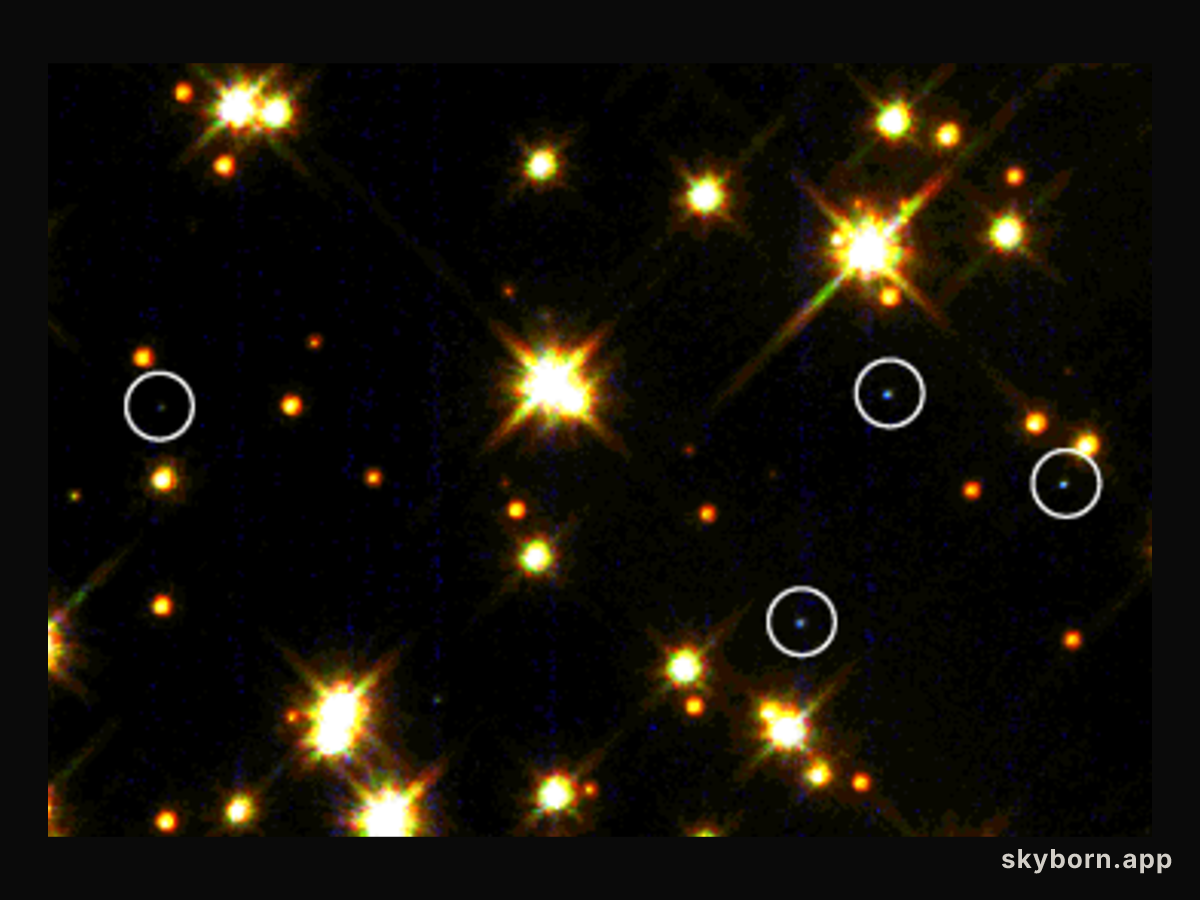
SKYBORN
White Dwarfs Cool
NASA APOD
SKYBORN.APP
SB-1995-09-09
UNCOMMON 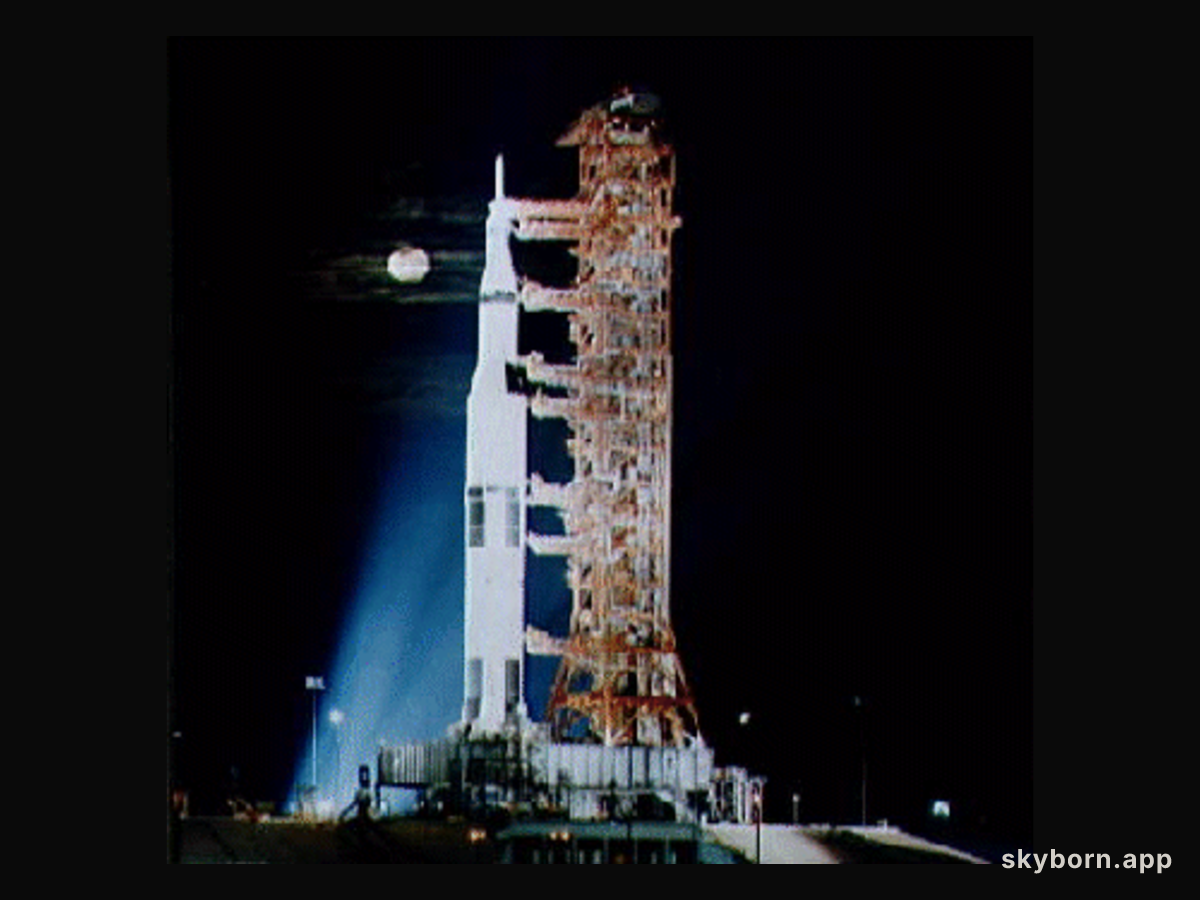
SKYBORN
The Last Moon Shot
NASA APOD
SKYBORN.APP
SB-1995-09-08
UNCOMMON 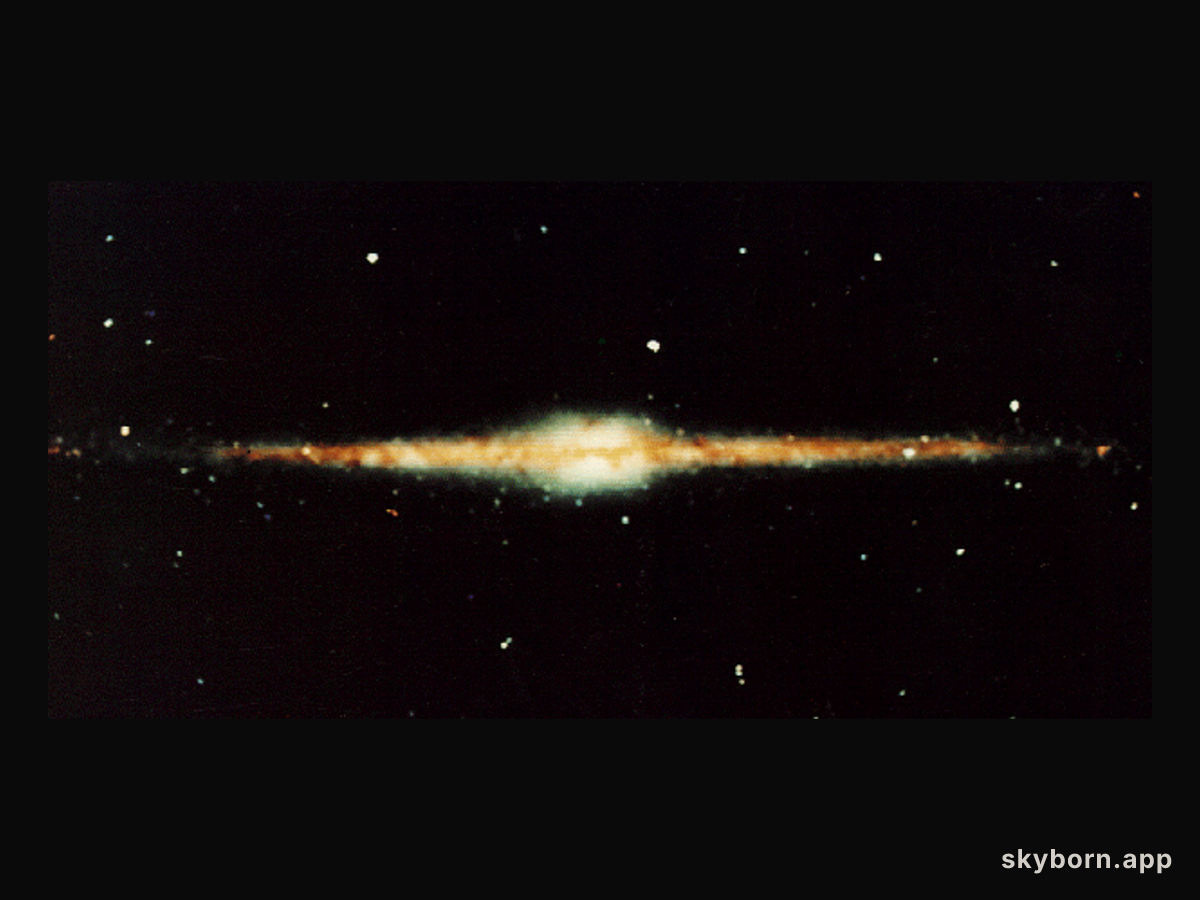
SKYBORN
The Milky Way's Center
NASA APOD
SKYBORN.APP
SB-1995-09-07
UNCOMMON 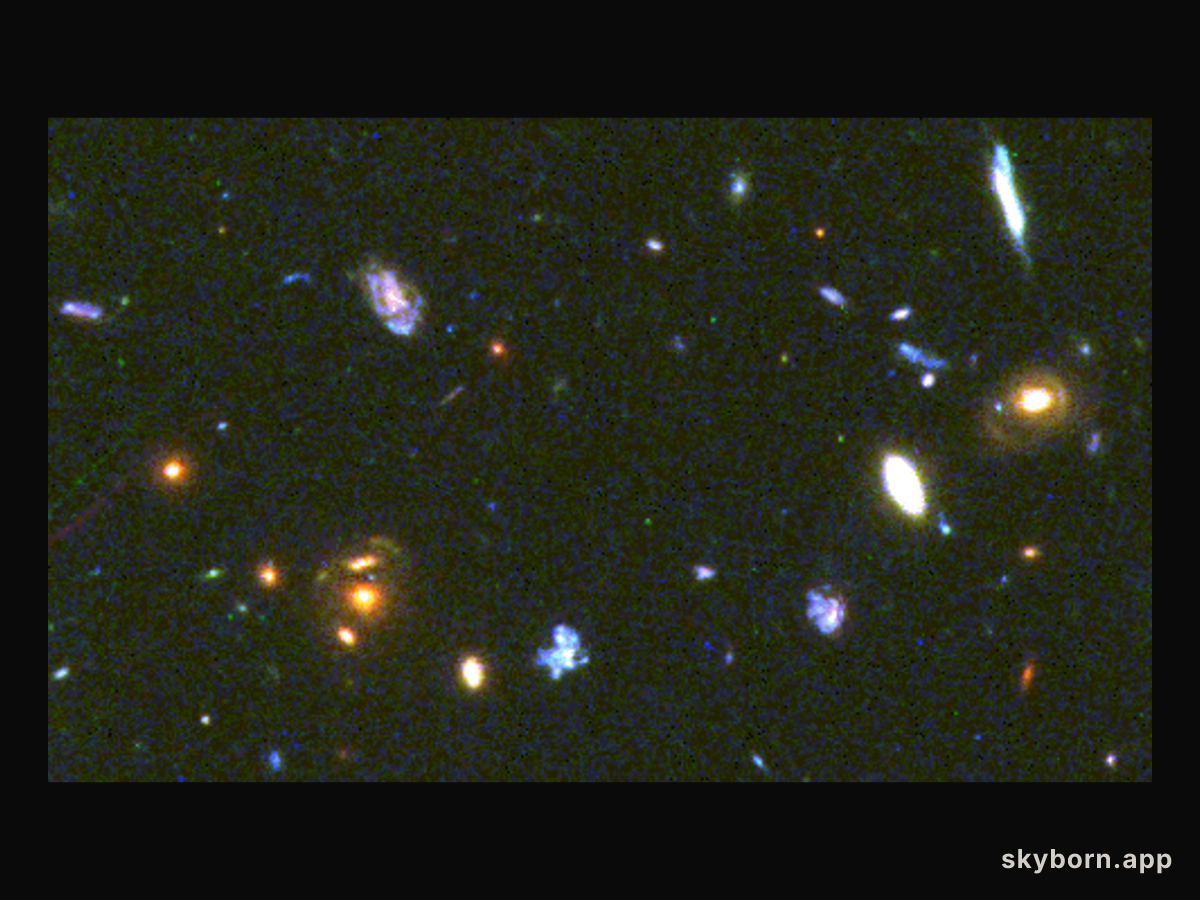
SKYBORN
Distant Galaxies
NASA APOD
SKYBORN.APP
SB-1995-09-06
UNCOMMON 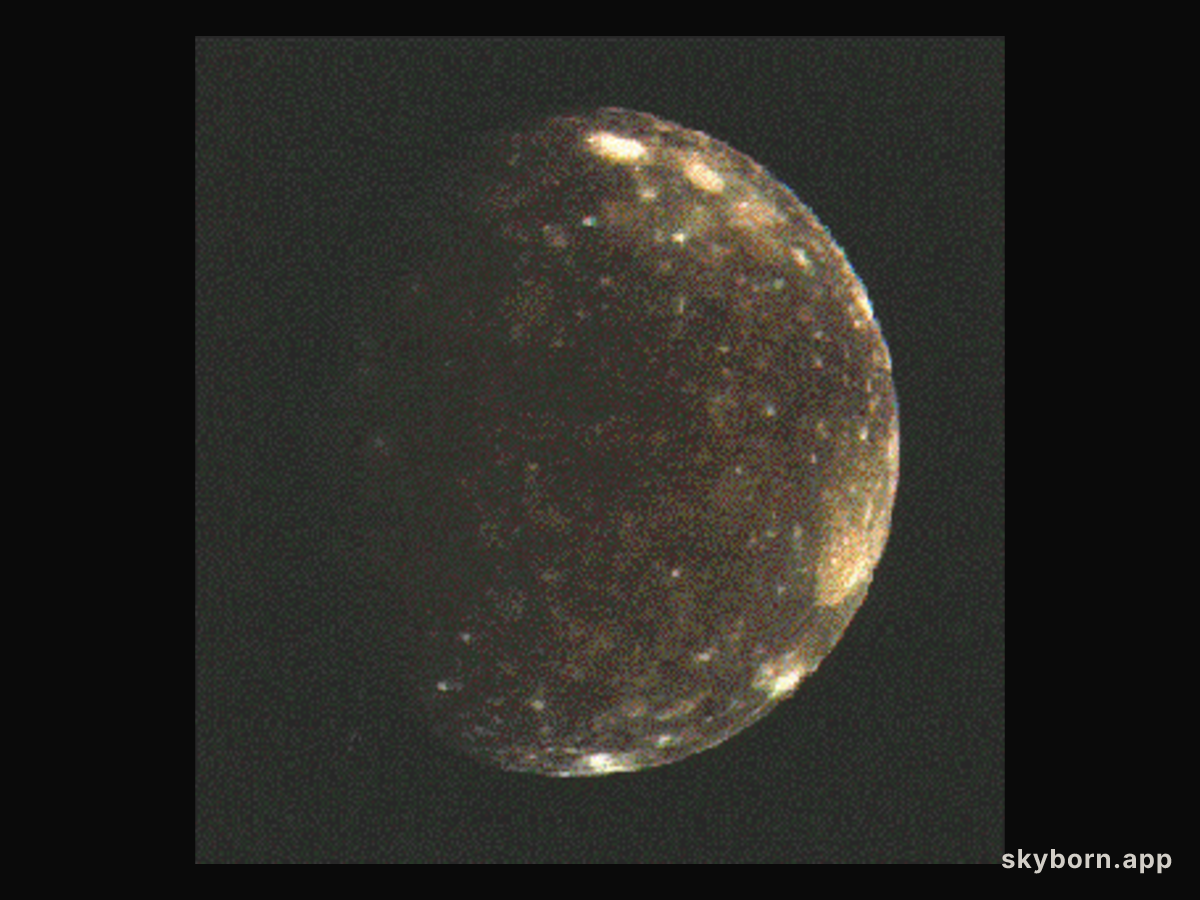
SKYBORN
Callisto: Dark Smashed Iceball
NASA APOD
SKYBORN.APP
SB-1995-09-05
UNCOMMON 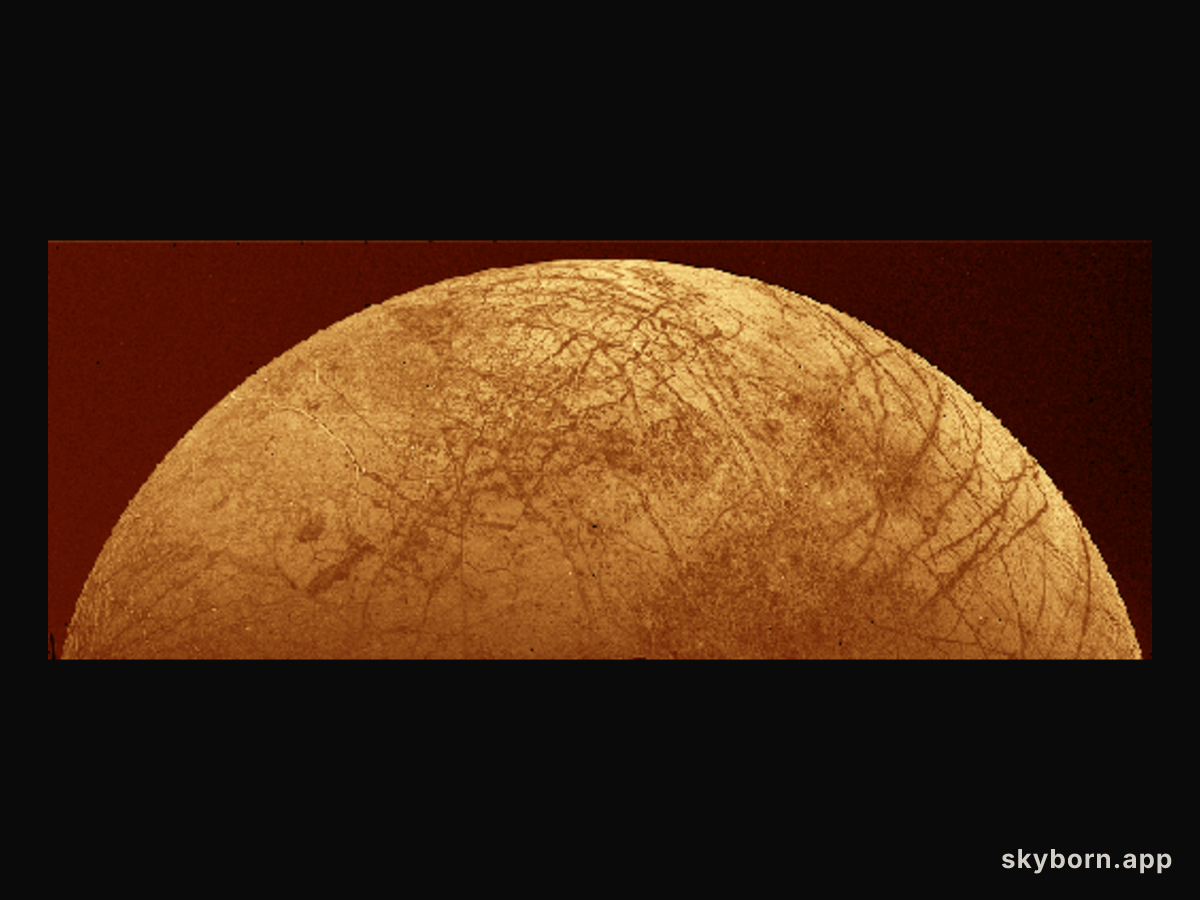
SKYBORN
Europa: Ancient Water World
NASA APOD
SKYBORN.APP
SB-1995-09-04
UNCOMMON 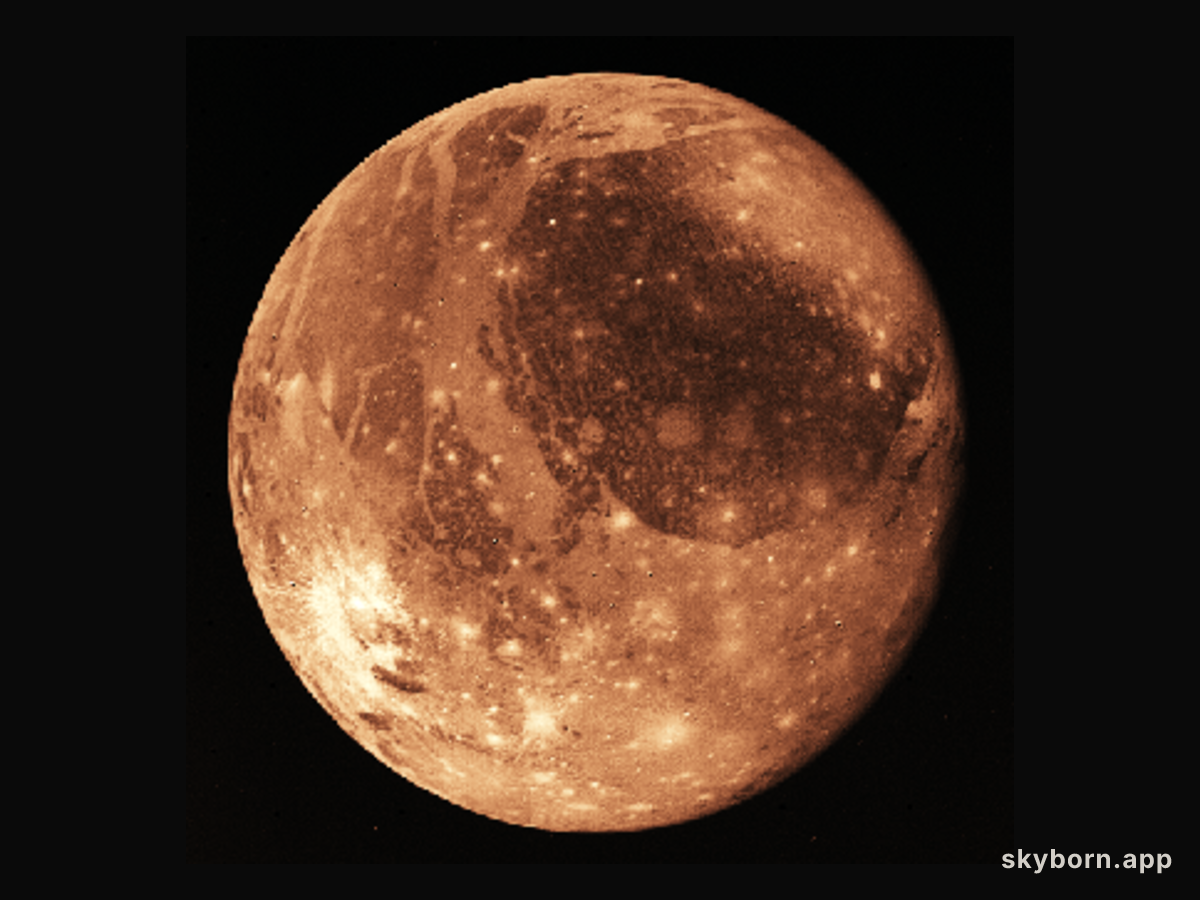
SKYBORN
Ganymede: Moonquake World
NASA APOD
SKYBORN.APP
SB-1995-09-03
UNCOMMON 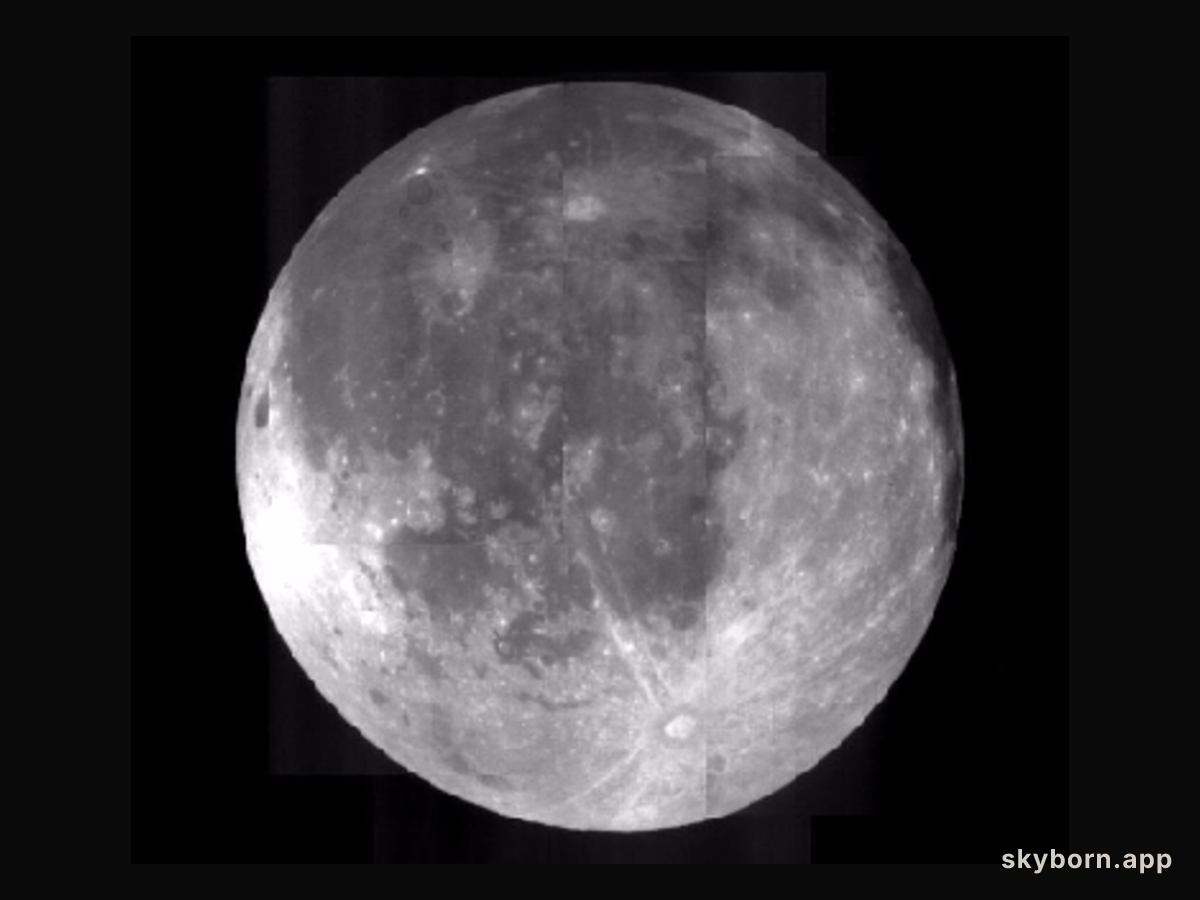
SKYBORN
Earth's Moon, A Familiar Face
NASA APOD
SKYBORN.APP
SB-1995-09-02
COMMON 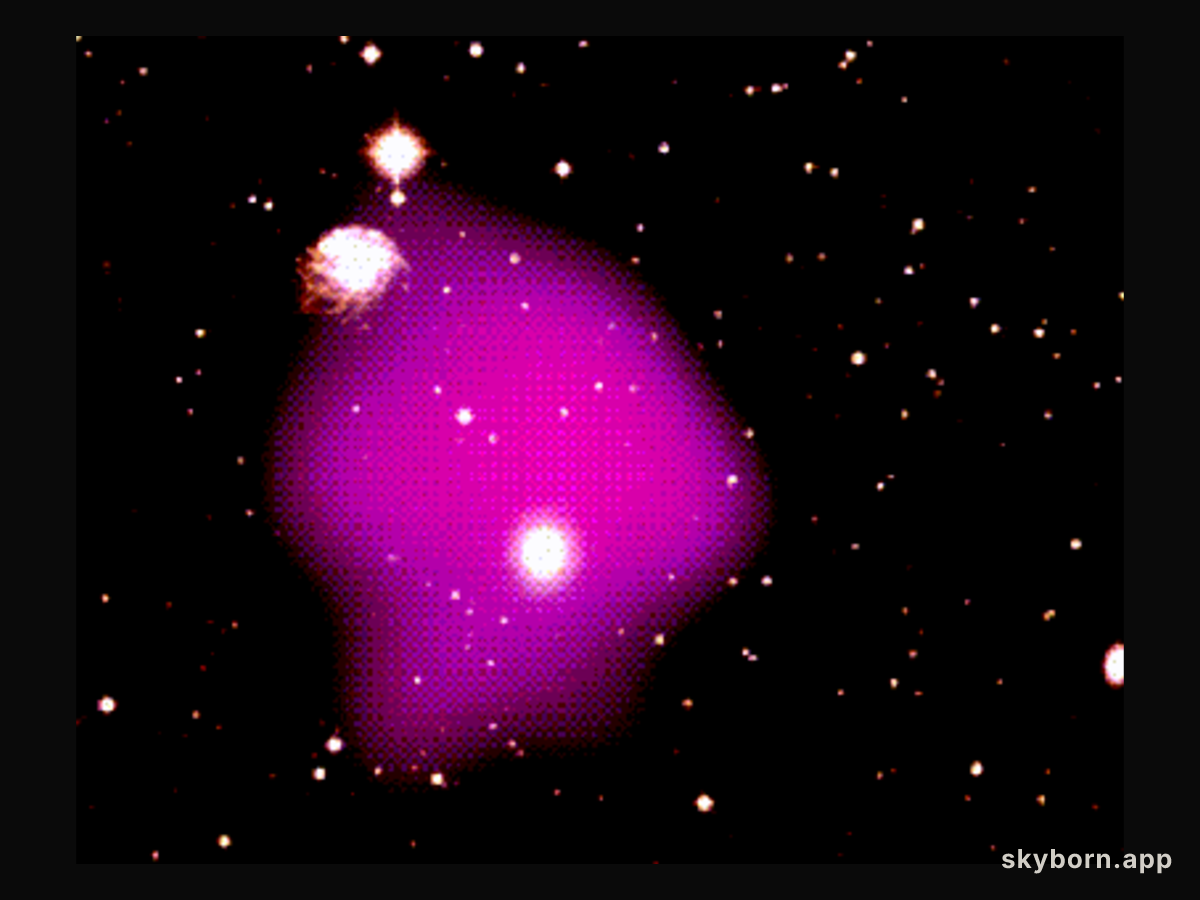
SKYBORN
Hot Gas and Dark Matter
NASA APOD
SKYBORN.APP
SB-1995-09-01
©
COMMON 
SKYBORN
Subrahmanyan Chandrasekhar 1910-1995
NASA APOD · 1989 by The University of Chicago. All rights reserved. Used by permission. Explanation: On August 21, 1995 one of the greatest astrophysicists of modern times
passed away. Subrahmanyan Chandrasekhar was a creative, prolific genius
whose ability to combine mathematical precision with physical insight
changed humanity's view of stellar physics. His most famous discovery was
that not all stars end up as white dwarf stars,
but those retaining mass above a certain limit - today known as
"Chandrasekhar's limit," undergo further collapse. His detailed
mathematical papers and books on a wide variety of astrophysical subjects,
including, for example, black holes, are classic references for research at
every level. Obituaries are available from the University of Chicago Press and Reuters News Service, and a WWW page has been set-up to record personal memories. Tomorrow's picture: Hot Gas and Dark Matter | Chronological Archive | Subject Sorted Archive | Glossary | Educational Links Astronomy Picture of the Day (TM) is created and copyrighted in 1995 by Robert Nemiroff and Jerry Bonnell who are solely responsible for its content. We are proud to acknowledge that an external review by Point Communications
has rated Astronomy Picture of the Day in the top 5 percent of all World Wide Web sites.
SKYBORN.APP
SB-1995-08-31
UNCOMMON 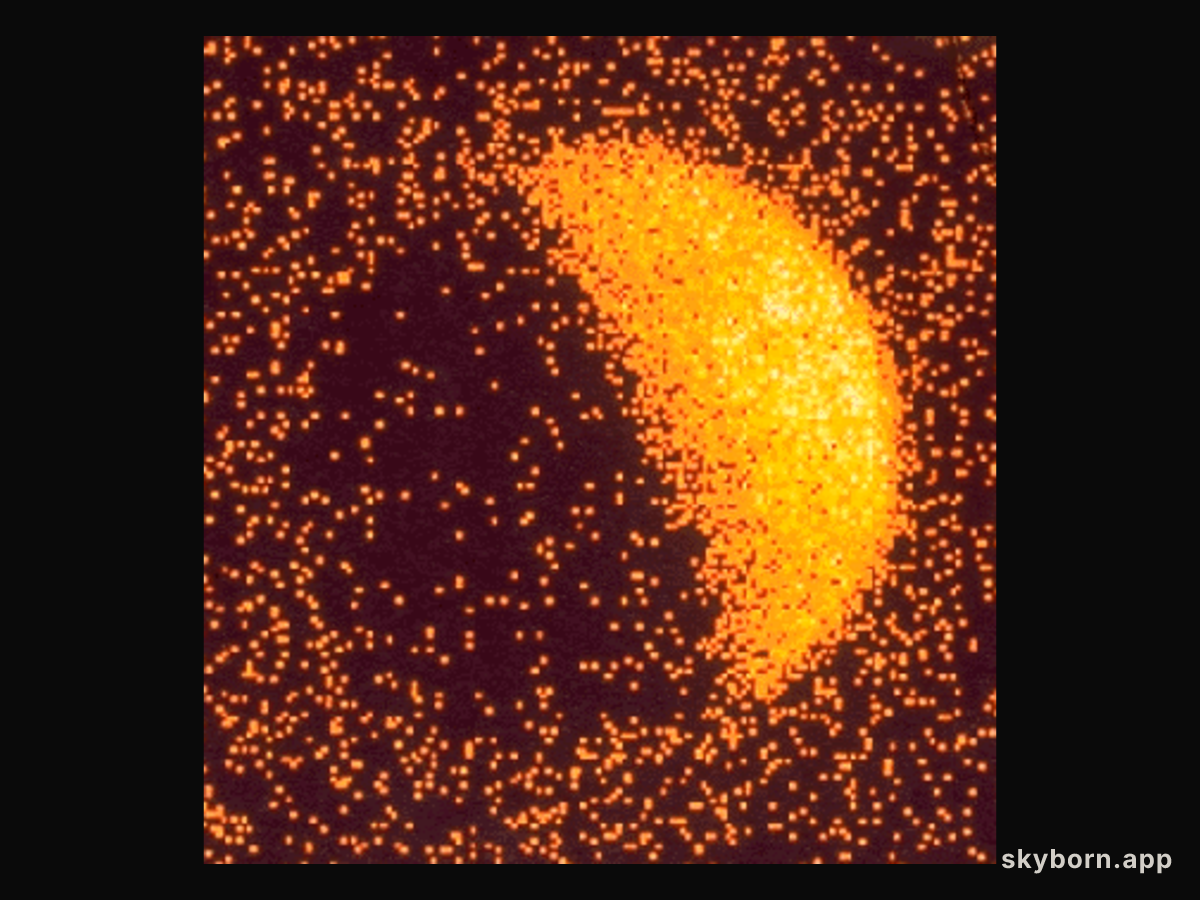
SKYBORN
X-Raying the Moon
NASA APOD
SKYBORN.APP
SB-1995-08-30
RARE · HOLO 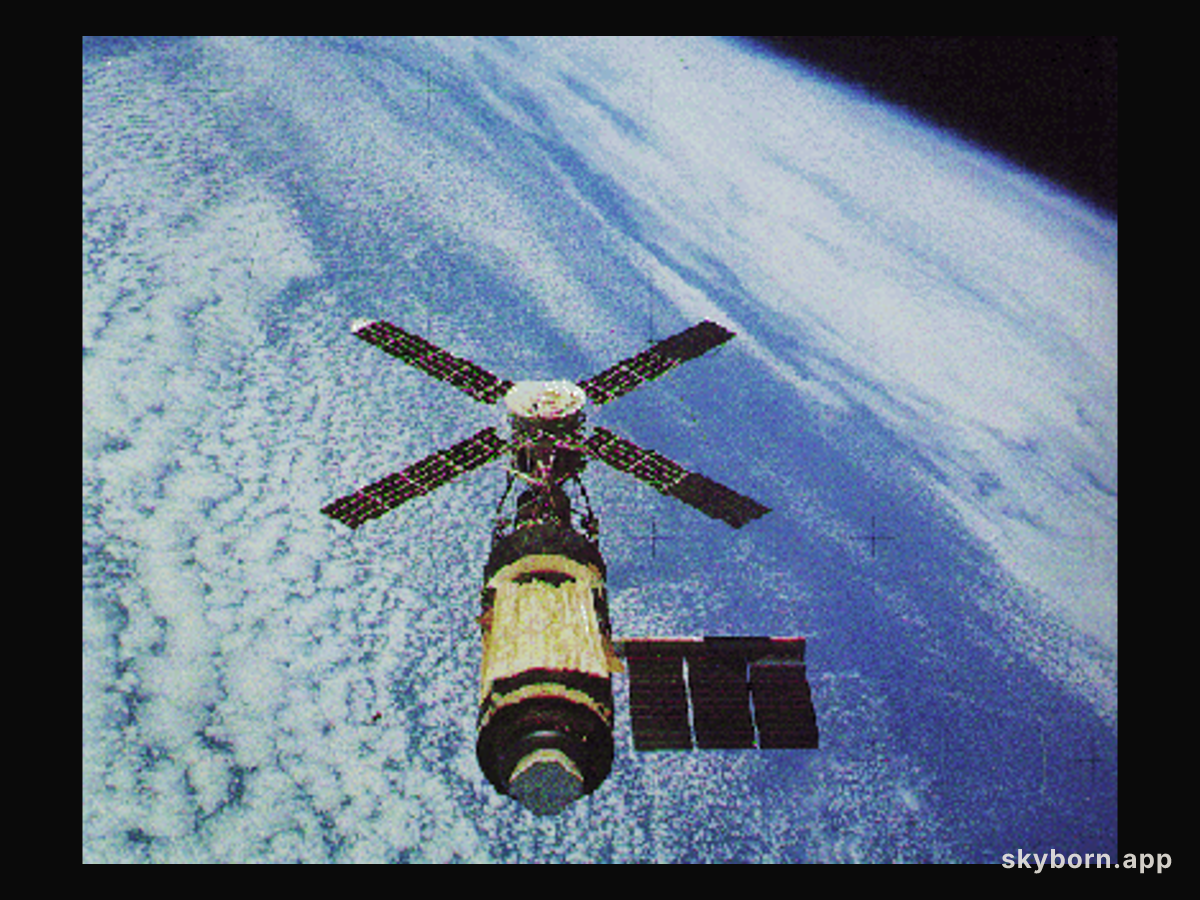
SKYBORN
Skylab Over Earth
NASA APOD
SKYBORN.APP
SB-1995-08-29
UNCOMMON 
SKYBORN
Saturn V: NASA's Largest Rocket
NASA APOD
SKYBORN.APP
SB-1995-08-28
UNCOMMON 
SKYBORN
Dusty Galaxy Centaurus A
NASA APOD
SKYBORN.APP
SB-1995-08-27
UNCOMMON 
SKYBORN
Gamma Ray Bursts from the Unknown
NASA APOD
SKYBORN.APP
SB-1995-08-26
RARE · HOLO 
SKYBORN
Two Tails of Comet West
NASA APOD
SKYBORN.APP
SB-1995-08-25
UNCOMMON 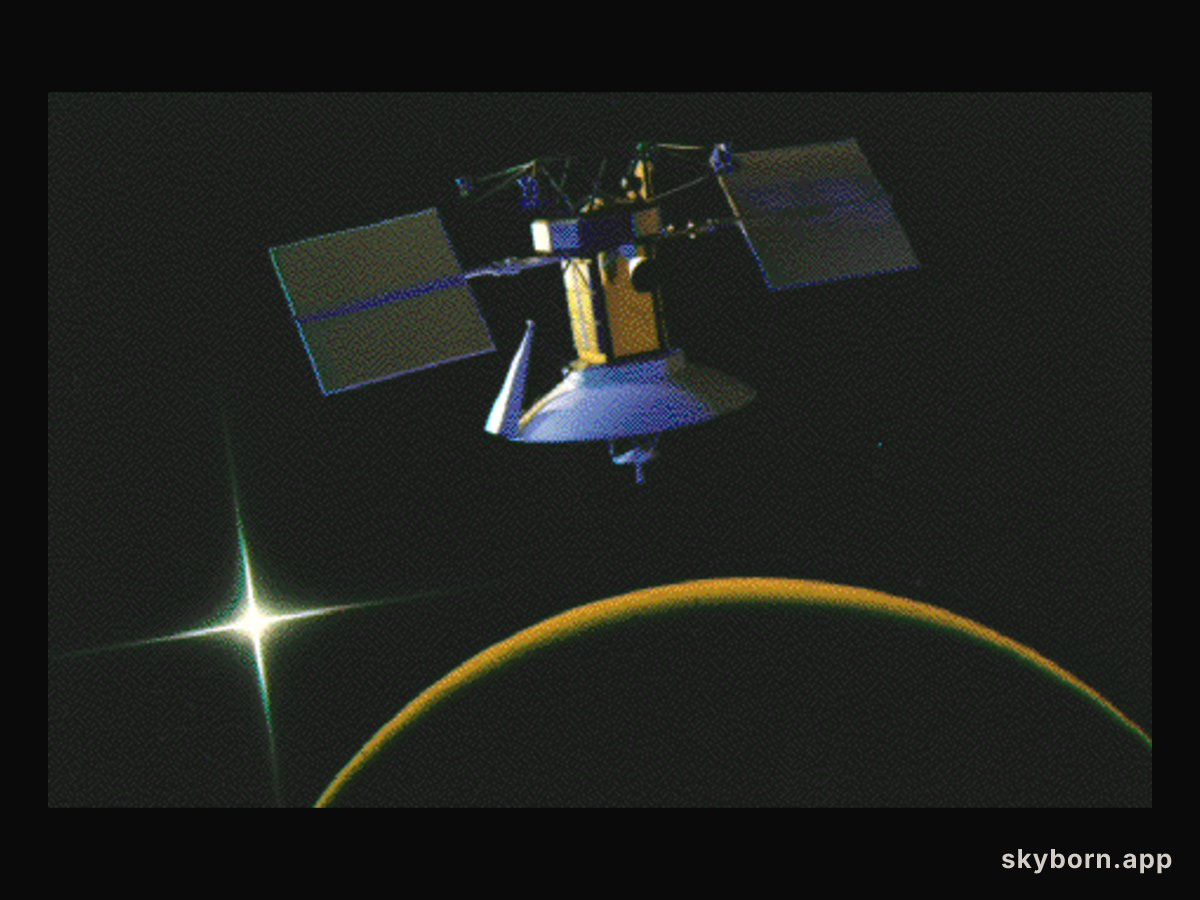
SKYBORN
A World Explorer
NASA APOD
SKYBORN.APP
SB-1995-08-24
UNCOMMON 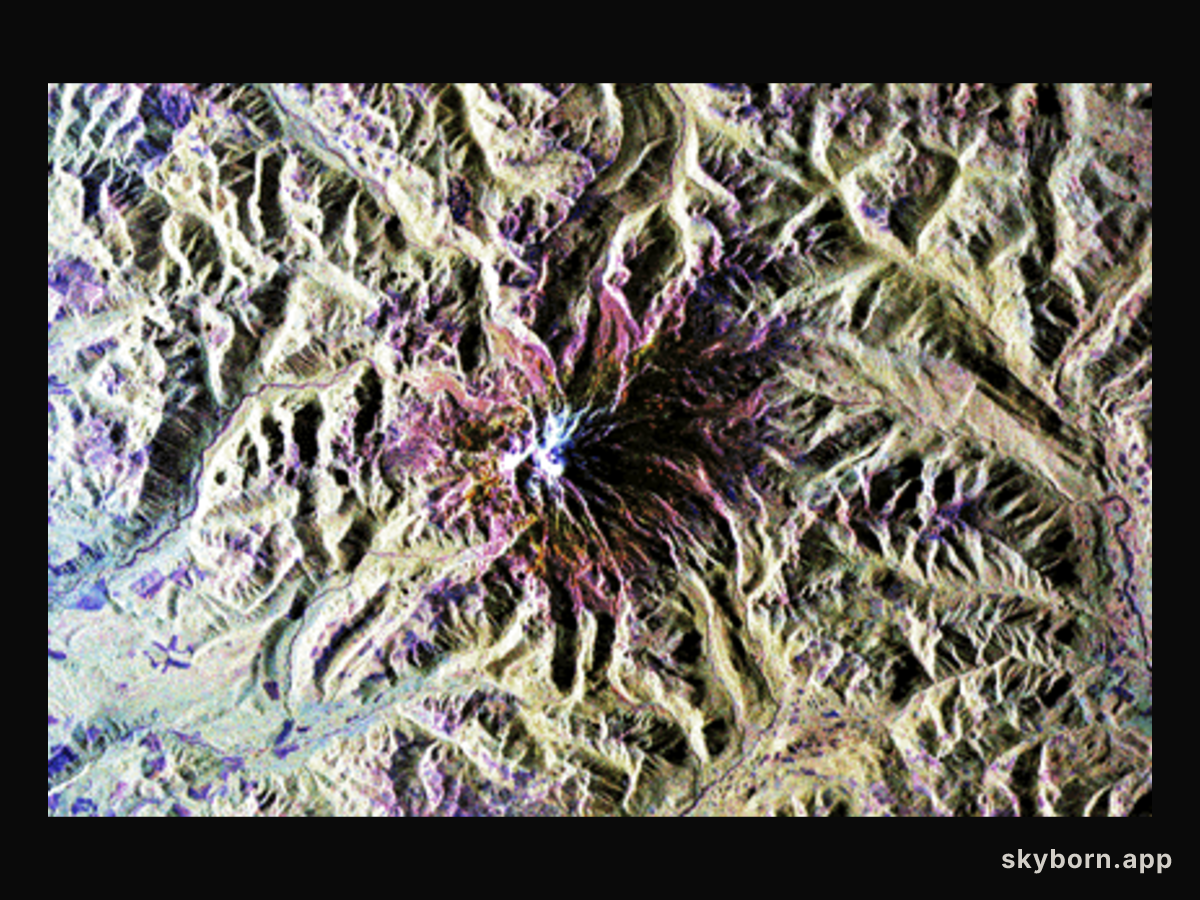
SKYBORN
A Radar Image of Planet Earth
NASA APOD
SKYBORN.APP
SB-1995-08-23
UNCOMMON 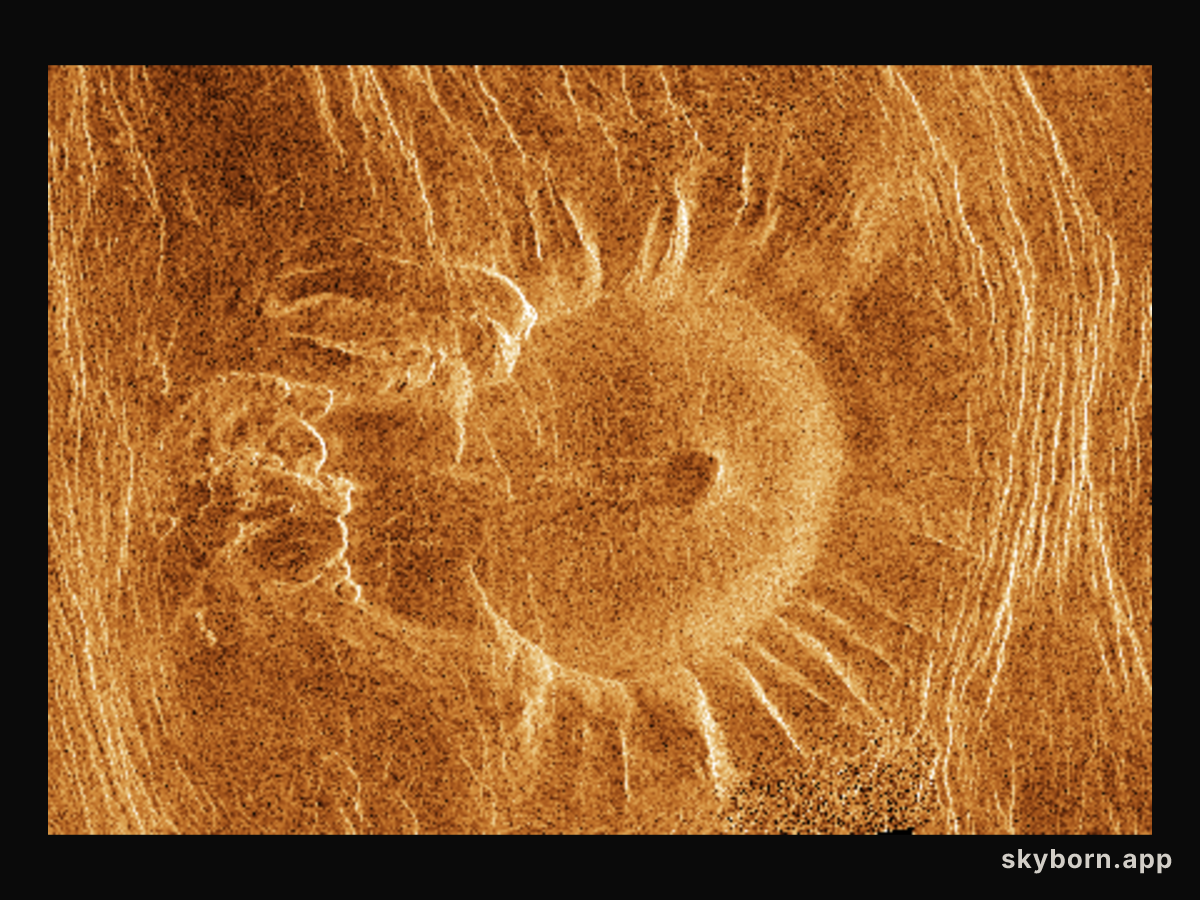
SKYBORN
A Venusian Tick
NASA APOD
SKYBORN.APP